













































Table of Contents


 Share
Share
Jewelry businesses profit from both product beauty and strategy. Many jewelry makers focus too much on creating beautiful/designed products, building their brand, and creating an aesthetically pleasing brand image, overlooking one of their most profitable profit centers—gemstone selection.
While some gemstones are expensive to source and slow to sell, others are inexpensive, visually appealing, emotionally appealing, and easy to market and sell at a higher price. Carefully choosing these stones can significantly impact the success of a jewelry business.
High-margin gemstones are not the same as rare or luxurious ones. High-margin gemstones are easy to find and tell stories about, and they are in high demand. These four qualities can turn gemstones from decorative to valuable.

This guide will explain what makes gemstones profitable, identify the gemstones with the highest margins, show how to price gemstones strategically, and give advice on how to build a gemstone collection for long-term business growth.
Why Profit Margins Matter in a Small Jewelry Business
Having adequate profit margins is crucial to building a sustainable business. Without a sound margin, a business with strong sales can find itself with cash flow problems, pressured with excess inventory, and burned out. Many jewelry companies go out of business not because of poor product quality, but because they are unable to support their growth with low-margin pricing.

Strong profit margins will allow you to reinvest in higher-quality materials, enhanced branding, better marketing strategies, better inventory, improved tools, and increased content creation. Strong margins also help protect your business against ever-increasing supplier costs, online platform fees, shipping costs, and seasonal downturns.
When you select gemstones thoughtfully, they will serve as a stabilizing factor within your overall business model rather than a financial risk.
What Makes a Gemstone High-Profit?
A gemstone doesn't become high-profit because it's rare; it becomes high-profit because of how well it does in the market.
These are some of the things that high-margin gemstones usually have in common:
- Low cost of production or wholesale
- Very appealing to the eye
- High perceived worth
- Easy for customers to remember
- Meaning that it is emotional or symbolic
- Demand stays the same
- Stable supply chains
- Ability to work with different designs

If a gemstone looks valuable, feels valuable, and sells quickly, it can support high markups without customers complaining.
Factors That Influence Gemstone Markup Potential
There is more to markup than just the stone itself. There are a number of psychological and business factors that affect how much customers are willing to pay.
Visual Effect
The way a color looks, how sparkly it is, how it shines, and how big it is all have a big effect on how valuable it seems.

The Power of Stories
People are more willing to pay when things have symbolic, spiritual, or emotional meanings, or when they are linked to healing.

Familiarity with the Market
Stones that people know make buyers feel safer and buy faster.

Stability of Supply
Reliable sourcing keeps prices stable and costs predictable.

Flexibility
Stones that can be used in more than one type of product make inventory management easier.

Durability
Harder stones lower damage, returns, and the risk to your brand over time.

Want to choose the right tools for your setup? Explore this comprehensive guide to jewelry-making tools to build a workspace that fits your skill level.
Most Profitable Semi-Precious Gemstones for Jewelry Makers
These stones always sell well in the handmade, boutique, and resale markets because they are pretty, cheap, and in high demand.
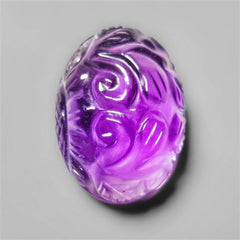
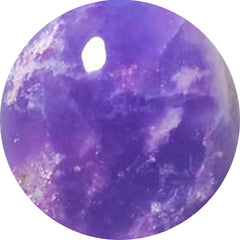
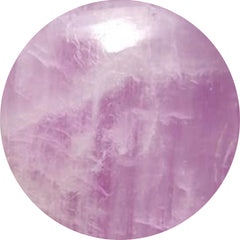
Amethyst
It's easy to set a good price because it's cheap to get, has strong spiritual ties, and is well-known.

Citrine
High prices are supported by the fact that they are bright colors, have good meanings, and make great gifts.

Garnet
People want them more in the fall and winter because they are birthstones and are deep red.

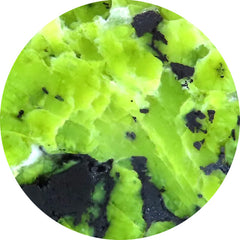
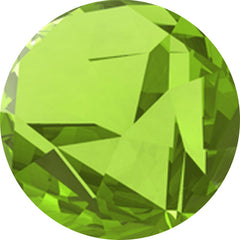
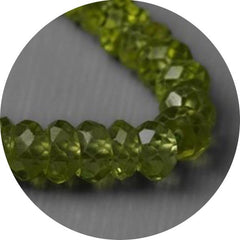
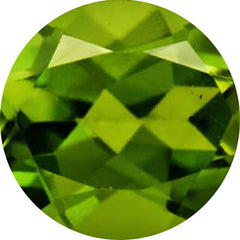
Peridot
It looks like something is rare because it has a unique green color, even though it doesn't cost much to get.

Moonstone
Strong markups are backed by strong branding power and a high visual impact.

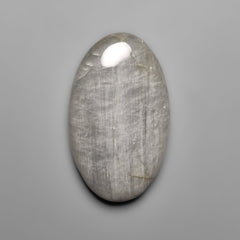
Labradorite
The natural flash effect makes things look expensive, but they're still cheap.

Shop Labradorite Gemstone Online
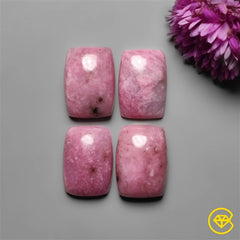
Rose Quartz
Many people like Rose Quartz; it has emotional meaning, and it could sell a lot of copies.

Buy Rose Quartz Gemstone Online
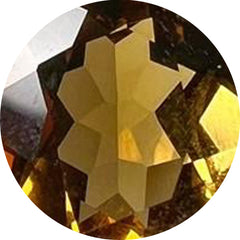
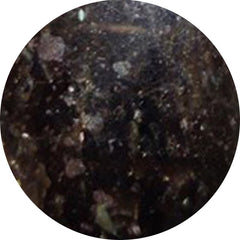
Smoky Quartz
The market can reach more people with colors and styles that look good on everyone.

Shop Smoky Quartz Gemstone Online
You can easily find, sell, and market these stones, which makes them a good way to make money.
Affordable Gemstones That Look Expensive and Sell Well
Some of the most valuable "stones" in jewelry aren't even real gemstones. They are made, synthetic, or treated materials that are meant to look good.
Some options with high margins are
- Zirconia in cubes

- Opals made of glass

- Agates that have been dyed

- Quartz with a coating

- Goldstone

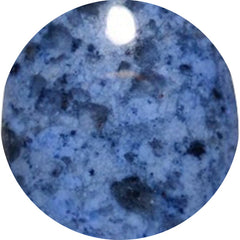
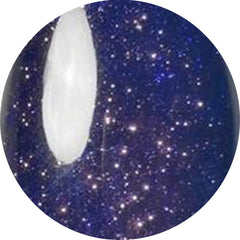
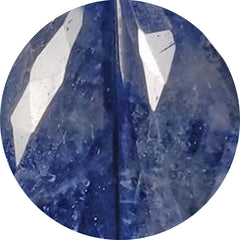
- Blue sandstone

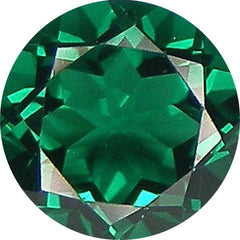
- Emerald made in a lab

- Artificial sapphire

- Spinel

- Glass with a cat's eye

These materials are great for fashion jewelry, gift markets, and collections that can grow because they look expensive but are cheap.
High-Demand Gemstones in the US Market
One of the best indicators of profitability is demand stability. Stones that sell all the time lower the risk of having too much stock and keep cash flow steady.
Some of the best companies in the US market are
- Amethyst

- Moonstone

- Turquoise

- Opal

- Labradorite

- Rose quartz

- Garnet

- Aquamarine

- Citrine

- Emerald-look stones

People buy these stones a lot on social media, in online stores, at craft fairs, and in other places.
Birthstones That Offer Strong Profit Margins
Birthstones sell well because people already know what they mean and how much they are worth. Using alternatives instead of rare natural stones protects margins while keeping the value that people think they have.
Birthstones that are worth a lot of money:
- January: Garnet

- February: Amethyst

- March: Aquamarine substitutes

- April: Cubic zirconia or white sapphire

- May: Emerald alternatives

- June: Moonstone and pearl

- July: Ruby alternatives

- August: Peridot

- September: Sapphire alternatives

- October: Opal

- November: Citrine

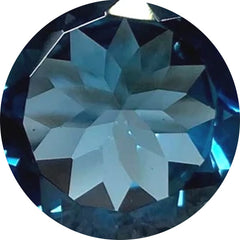
- December: Blue topaz alternatives

Birthstone collections are worth a lot because people always want them.
Trend-Driven Gemstones That Increase Sales
Trends are what make things visible, get people to share them on social media, and make them buy things on the spot. When used wisely, they can make a lot of money in a short amount of time.
Some strong trend categories are:
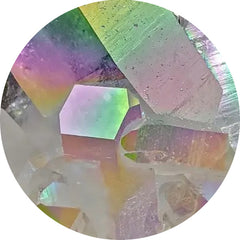
- Aura-coated quartz

- Color-shifting stones

- Celestial themes

- Raw crystal cuts

- Organic freeform stones

- Earth-tone palettes

- Mixed mineral designs

- Zodiac collections

- Spiritual-symbol stones

- Statement center stones

Trend stones are great for small collections and advertising campaigns.
if you want to know you can price handmade jewelry, then you can read How to Price Handmade Jewelry with Loose Gemstones now.
Gemstone Pricing Strategy for Better Margins
Prices that make money are not flat; they are structured.
A good pricing model has:
- Designs for volume at the entry level
- Mid-range designs for steady profit
- High-end designs for brand positioning
The price should show:
- Complexity of design
- Value of storytelling
- Identity of the brand
- Quality of packaging
- Quality of photography
- Experience of the customer
- Placement in the market
People pay for more than just materials; they also pay for the experience and how they feel about it.
How to Calculate Profit Margin on Gemstone Jewelry
To stay in business and grow, most healthy handmade jewelry businesses need to make 60–85% of their sales.
The formula is:
(Sale Price – Total Cost) ÷ Sale Price = Profit Margin %
The total cost is:
- Finding gemstones
- Metals and discoveries
- Packaging
- Labor
- Platform fees
- Marketing
- Shipping materials
Bulk Buying and Quality Strategies for Profitability
Smart sourcing raises profits without raising risk.
Some good ways to do this are:
- Buying lots of mixed gemstones
- Talking about discounts for repeat customers
- Buying inventory out of season
- Using stones that aren't perfect for raw designs
- Purchasing strand bundles
- Working with other makers
- Testing on a small scale before going big

Better quality doesn't always mean more money. In real sales, strong color and visual impact often do better than technical grades.
Priority order:
- Color
- Cut
- Clarity
- Origin
Customers won't pay for it if they can't see the difference right away.
Jewelry makers and resellers use sites like GemstonesForSale a lot to find benchmarks, market prices, and quality comparison research. They use these sites to compare wholesale and retail prices, quality levels, and trends in demand. Businesses can make data-driven sourcing decisions instead of emotional inventory purchases when they use reference platforms like this.
Explore our complete guide of Best Gemstones for Cabochon Jewelry and its cuts to find the perfect style for your next jewelry design—read more now!
Common Mistakes That Reduce Jewelry Profit Margins
Many businesses lose money because of bad habits that could be avoided:
- Buying too much stock
- Choosing stones that are rare and not in high demand
- Decisions about sourcing that are based on feelings
- Pricing structures that aren't strong
- Copying your competitors without thinking
- Not giving work enough value
- Not paying attention to branding
- Using expensive stones in designs that don't cost much
- No tracking of profits for each product

Systems, not snap decisions, are what make a business profitable.
Matching Gemstones to Your Brand Positioning
Gemstones should not clash with the brand identity; they should strengthen it.
- Moonstone, labradorite, emerald, sapphire, and opal are all good alternatives for luxury brands.

- Amethyst, rose quartz, citrine, clear quartz, and smoky quartz are all good for spiritual brands.

- Glass opals, cubic zirconia, colored stones, and coated quartz are all good for fashion brands.

- Minimalist brands like white stones, moonstone, clear quartz, and pearl.

-
Labradorite, large agates, raw stones, and bold cuts are all good for statement brands.

Alignment makes something seem more valuable without raising its cost.
How to Build a Profitable Gemstone Jewelry Collection
A collection that makes money is planned, not random.
Some strong collections are
- Core sellers for steady demand
- Trend pieces for growth in the short term
- Premium line for raising the brand
- Entry line for high-volume sales
- Collections that change with the seasons for events

This balance keeps cash flow steady while adding value to the brand over time.
Final Thoughts on Choosing High-Margin Gemstones
It's not about being rare or prestigious when it comes to high-profit gemstones. They are about how things are seen, how much people want them, how to tell a story, and how to make a plan.
Jewelry brands that do well focus on:
- Smart buying
- The psychology of the market
- Positioning a brand
- Telling stories with pictures
- Predicting demand
- Trust from customers
- Value of design
When a gemstone is cheap, looks great, is easy to market, and is easy to sell, it becomes a valuable asset instead of a cost.
That's how jewelry stores that care about the environment grow.
FAQ
1. Which gemstones are most profitable for jewelry manufacturers?
The highest-margin stones are usually amethyst, moonstone, labradorite, citrine, garnet, and rose quartz; synthetic materials such as cubic zirconia or glass opals are in demand and easy to source at low prices.
2. Are natural stones always worth more than synthetic ones?
Many synthetic/treated stones provide an expensive look for comparatively low prices and can provide greater returns than natural stones.
3. What are the best-selling gemstones in the United States?
Amethyst, moonstone, opal, turquoise, labradorite, rose quartz, garnet, citrine, and emerald lookalikes are consistently among the top ten selling gems in the U.S.
4. What is a healthy profit margin for a handmade gemstone jewelry business?
Healthy margins generally range from 60% to 85%, depending on your brand positioning, pricing strategy, and business model.
5. How do I select my gemstone inventory for profit from resale?
Focus on gemstones with high consumer demand, excellent aesthetics, low wholesale prices, ease of sourcing, and name recognition by a large number of consumers.
6. Do birthstones increase the likelihood of selling merchandise?
Definitely! Selling birthstones is easy because consumers already understand their value, meaning, and symbolism; therefore, they are easy to sell and provide a pricing method.
7. Should I purchase gemstones in bulk for greater profit potential?
Yes, if the purchases are consistent with demand. Bulk purchases wisely made will increase the profit margin; bulk purchases made emotionally will increase your risk for an excess of inventory.
Visited 1189 No. of Time(s), 109 Visit(s) Today





Leave a Comment