































Table of Contents


 Share
Share
Choosing the right cut for a gemstone is one of the most important things a jeweler can do. It changes how a piece looks, feels, connects with people emotionally, and sells. The way a gemstone is cut can make a design look bold or subtle, luxurious or earthy, or refined or rough.
Faceted and cabochon stones differ in more ways than just clarity and smoothness. Each cut has its design, feel, durability, production, and retail value. Some designs need to be bright. Some people want beauty that is natural, deep, and soft. This choice can shape the look, feel, and long-term plan of a brand of handmade jewelry.

This guide clearly explains the differences between the cuts, when each one works best, and how to confidently choose the right gemstone style for your designs, customers, and brand vision.
What's a Cabochon Gemstone?
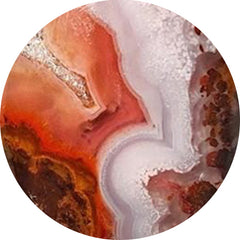
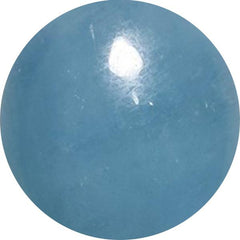
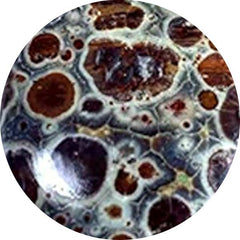
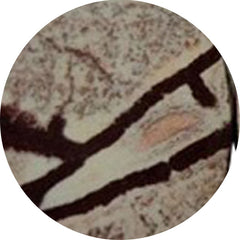
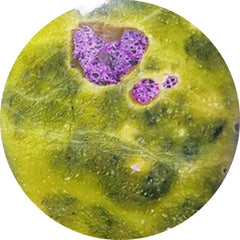
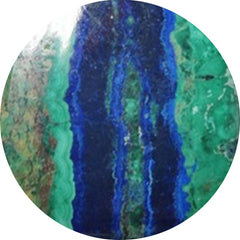
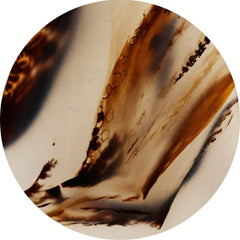
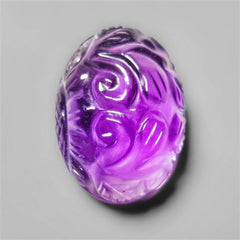
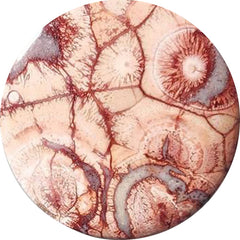
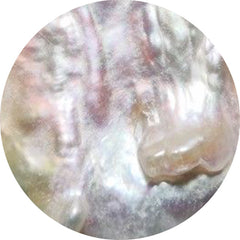
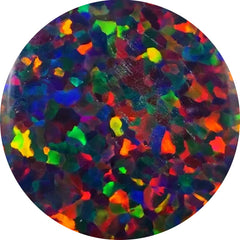
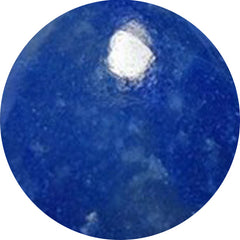
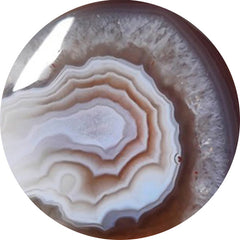
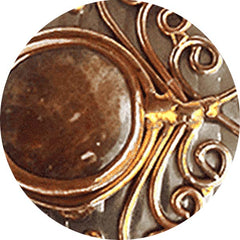
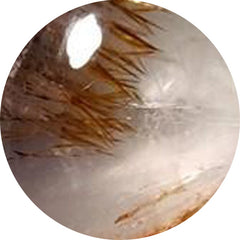
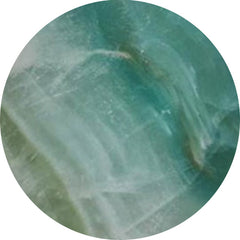
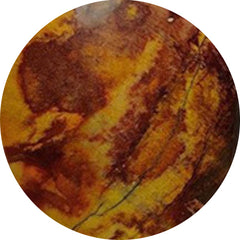
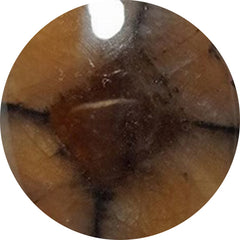
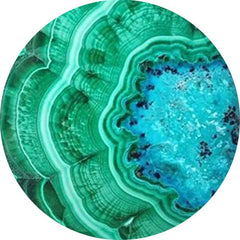
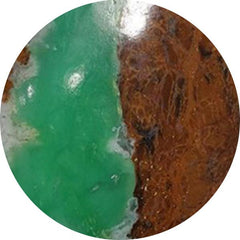
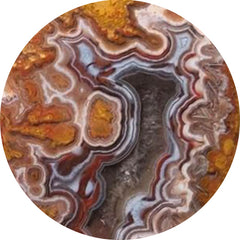
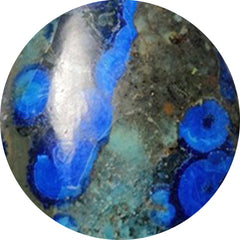
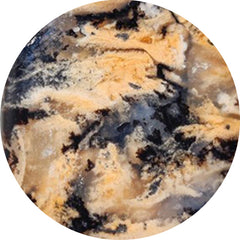
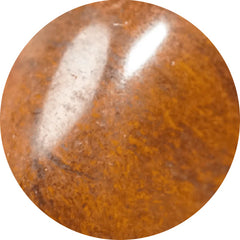
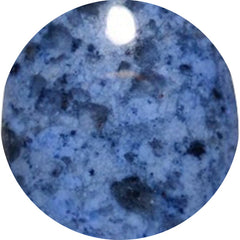
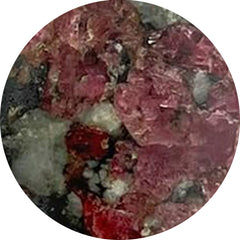
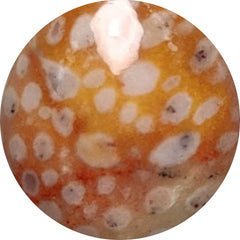
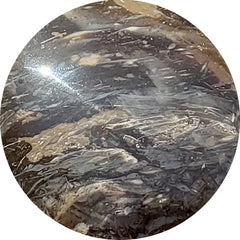
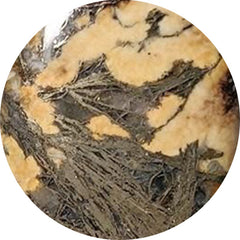
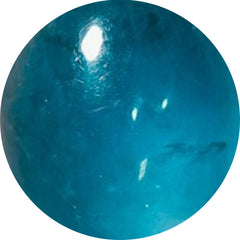
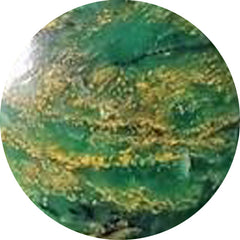
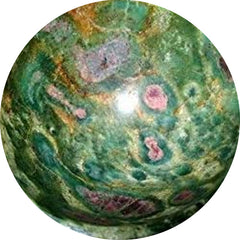
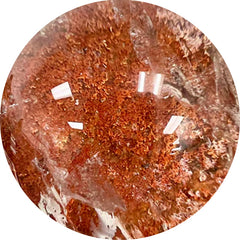
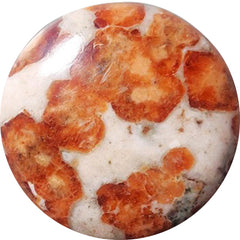
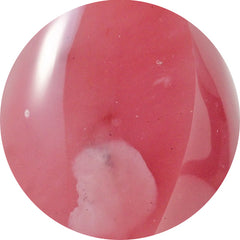
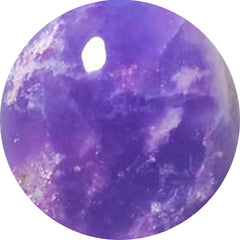
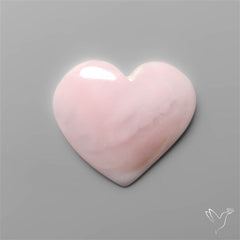
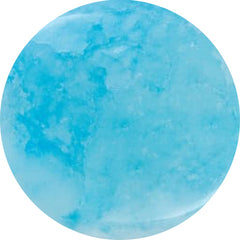
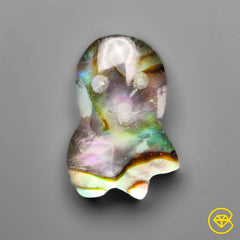
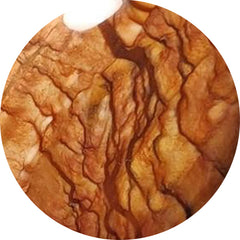
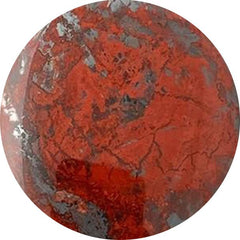
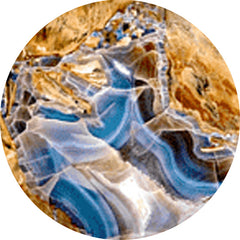
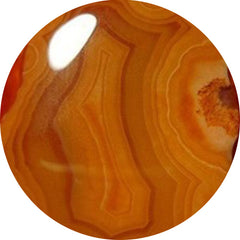
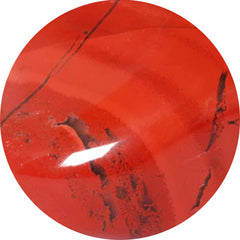
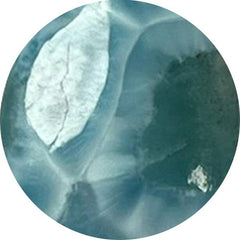
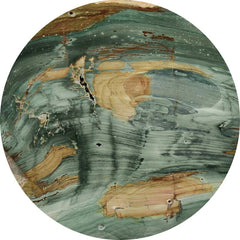
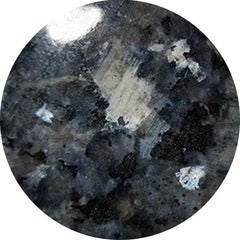
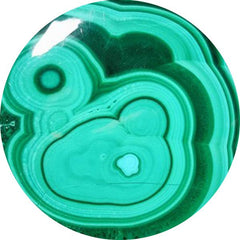
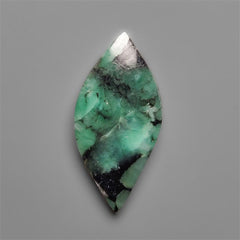
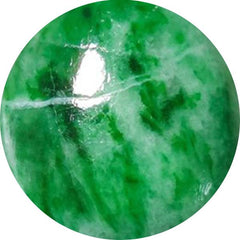
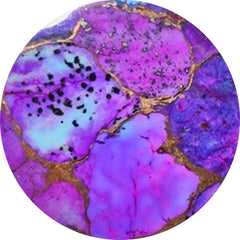
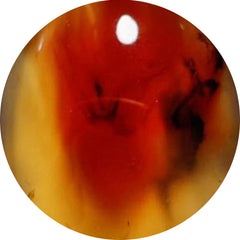
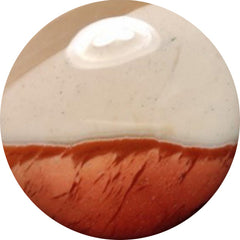
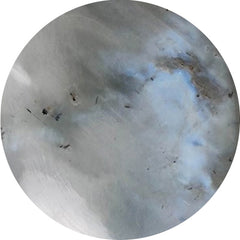
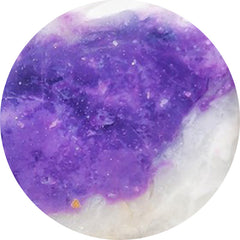
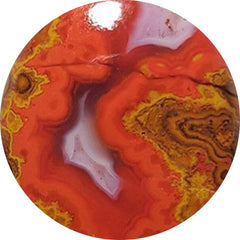
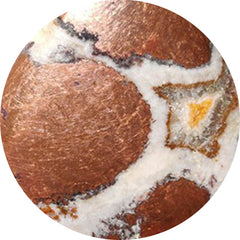
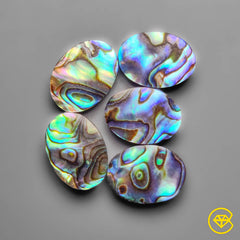
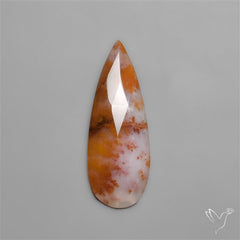
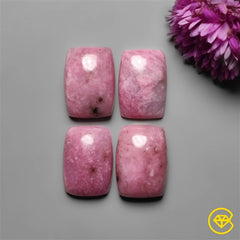
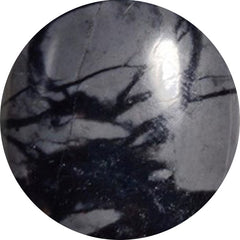
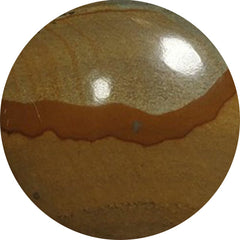
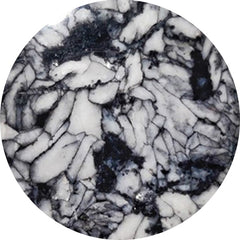
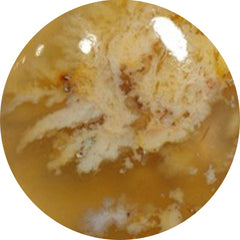
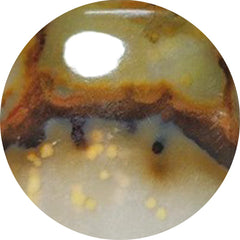
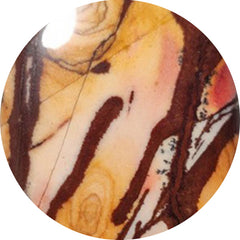
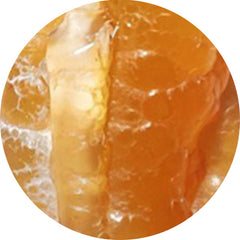
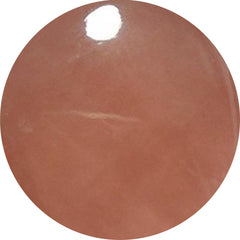
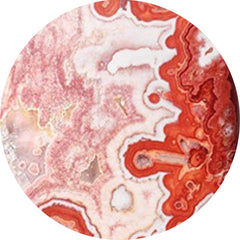
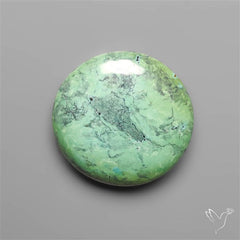
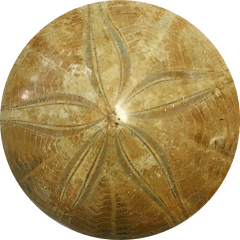
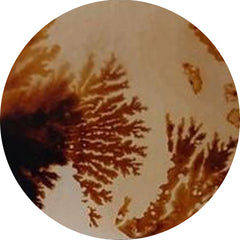
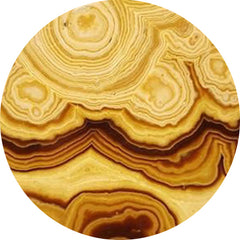
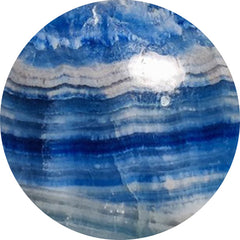
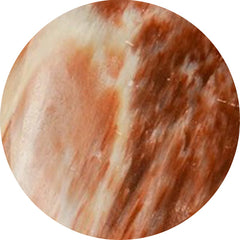
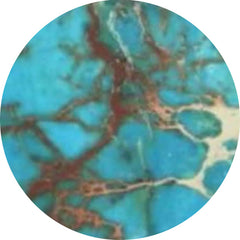
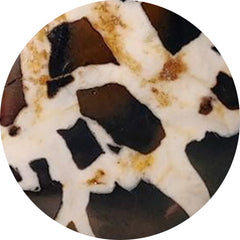
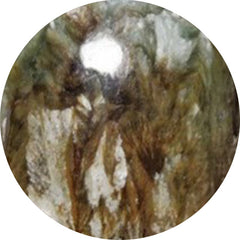
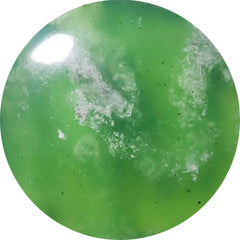
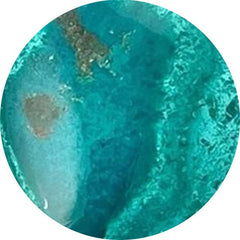
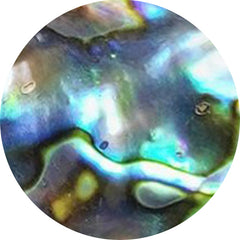
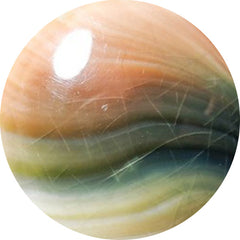
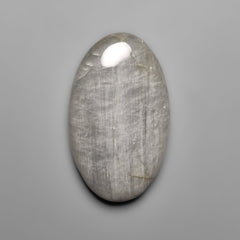
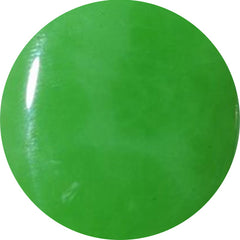
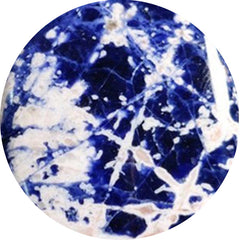
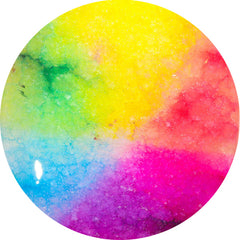
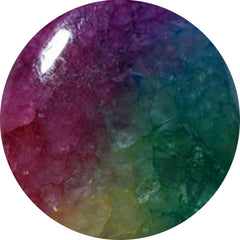
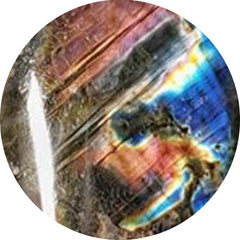
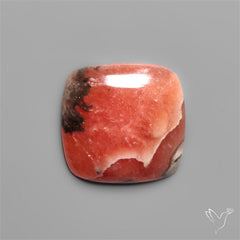
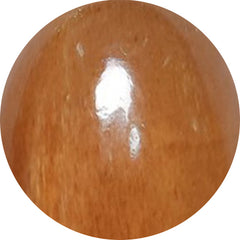
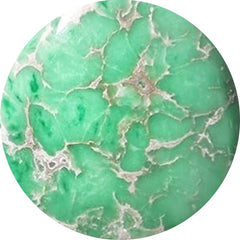
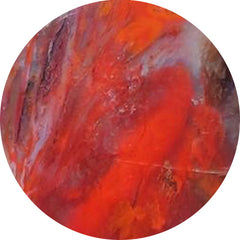
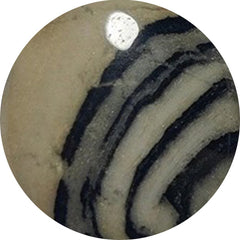
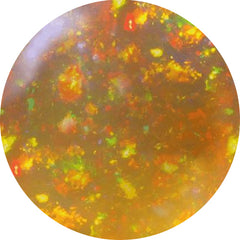
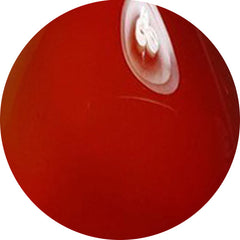
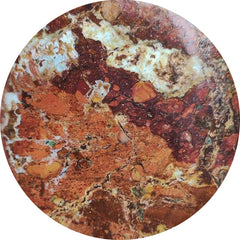
A cabochon gemstone is shaped and polished into a smooth, round dome with a flat or slightly curved base. It doesn't have any sharp edges, facets, or surfaces that reflect light. It doesn't have any sparkle; instead, it has a smooth surface that shows off how beautiful the stone is on its own.

The word "cabochon" comes from the French word "caboche," which means "head." The stone is round, which is why.
Cabochons are made to look good:
- Patterns and things that happen on their own
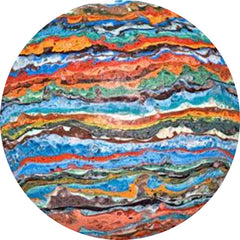
- Different colors and areas of color
- Inside, there is texture and depth.
- Problems with organic materials
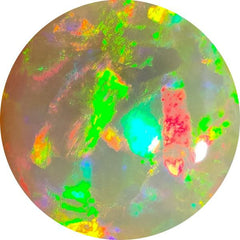
- Optical effects include glow, sheen, and shimmer.

Cabochons don't reflect light sharply; instead, they make it softer. The light moves slowly across the surface, which makes the picture look stable and calm. This gives cabochons a natural, earthy, and timeless look.
They are very popular in artisan jewelry, statement jewelry, bohemian designs, spiritual jewelry, and healing crystal pieces, where the stone is the main focus. In cabochon jewelry, the stone serves as a piece of jewelry and narrates a story.

What Is a Faceted Gemstone?
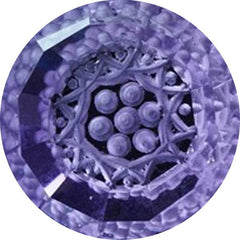
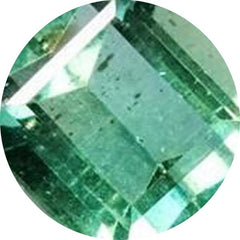
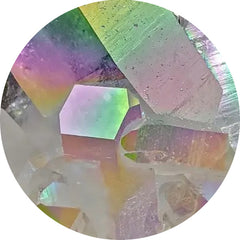
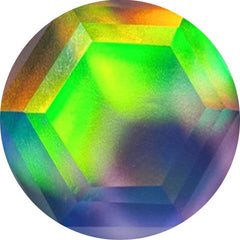
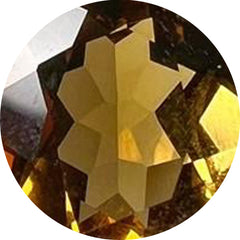
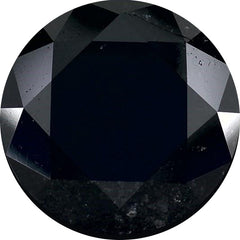
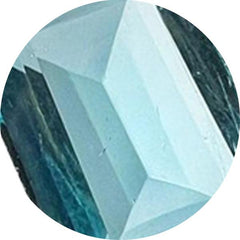
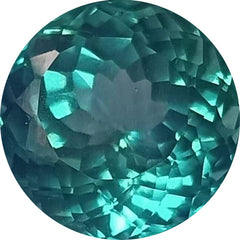
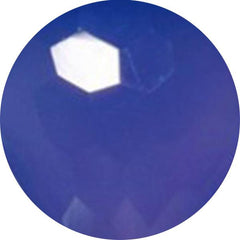
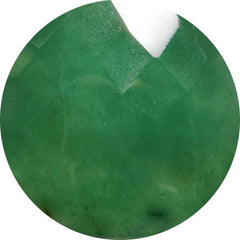
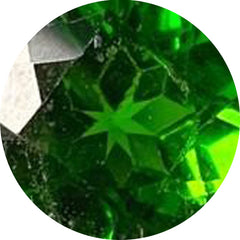
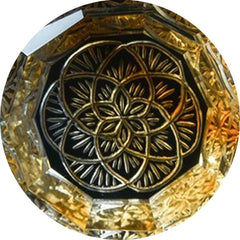
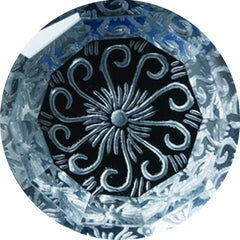
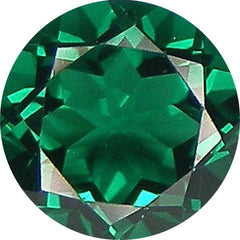
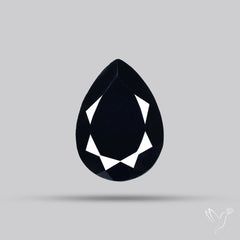
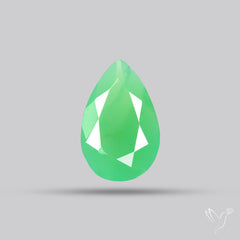
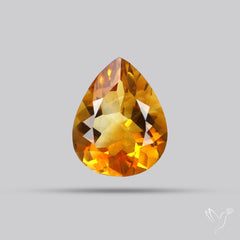
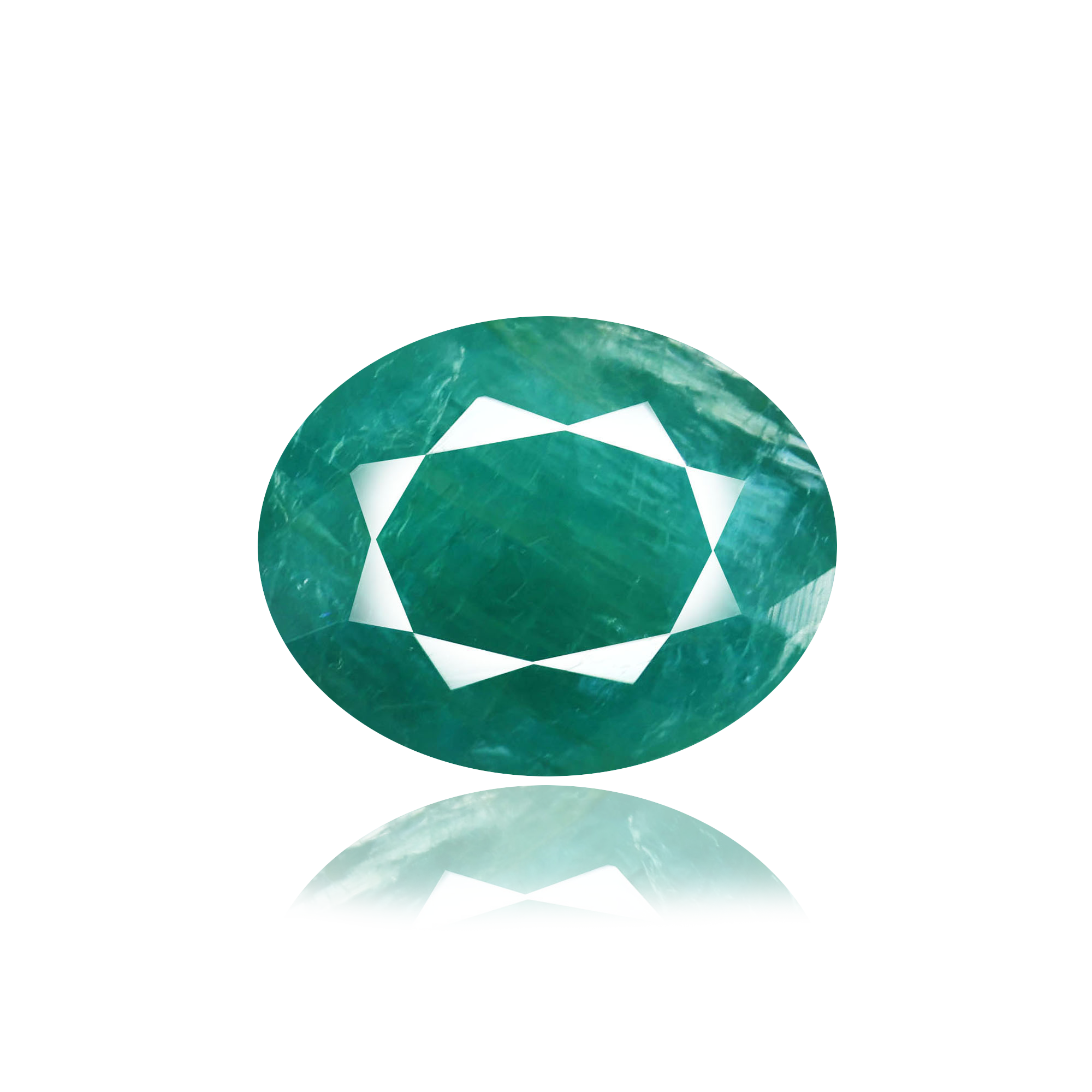
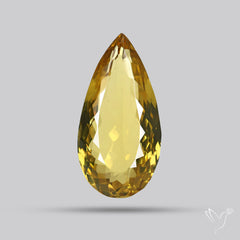
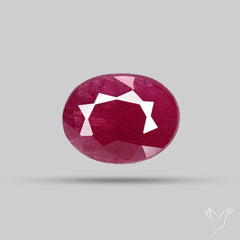
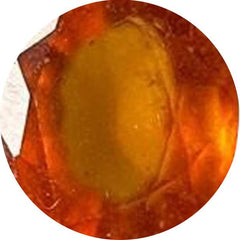
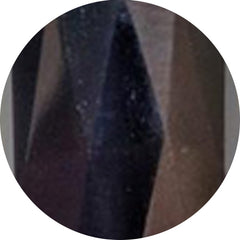
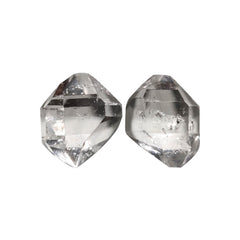
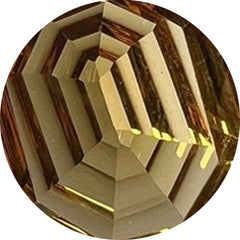
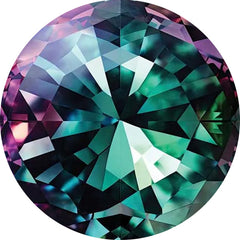
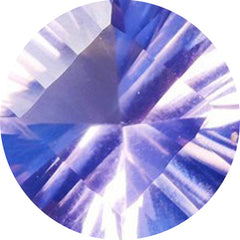
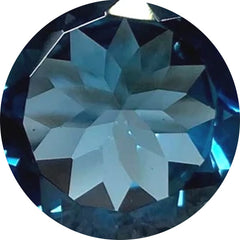
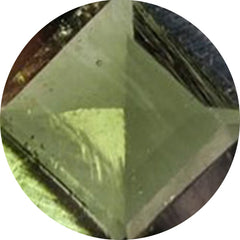
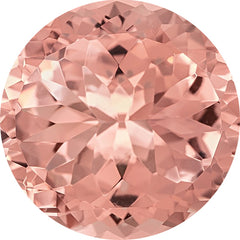
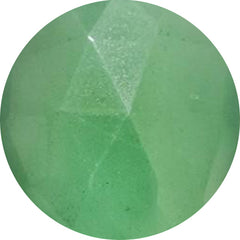
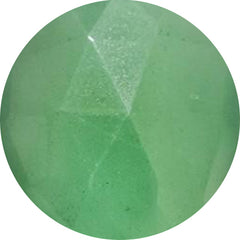
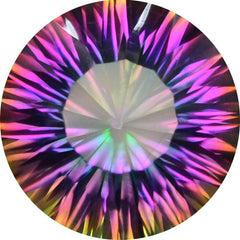
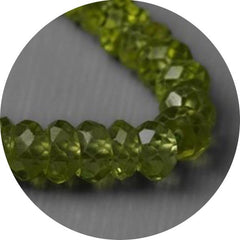
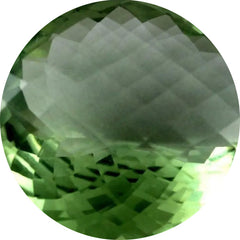
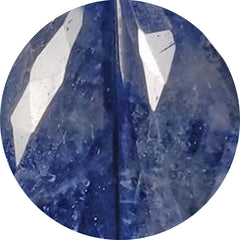
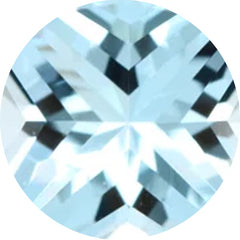
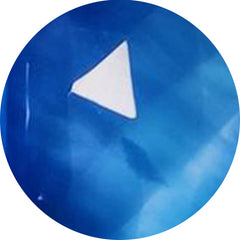
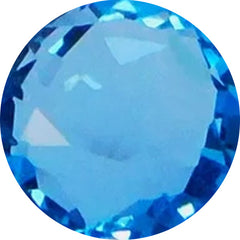
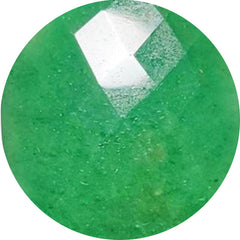
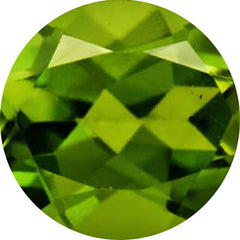
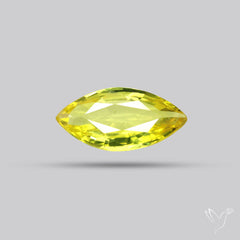
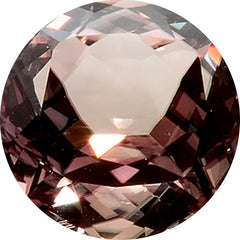
A faceted gemstone has several flat surfaces, or facets, that are cut at precise angles so that light can bounce off and bend around them. This structure is what gives things their shine, glow, and burn.

Faceting is a process that involves a lot of math and technical work. The angles are carefully chosen to let in as much light as they can. This means that light goes into the stone, bounces off the facets, and then comes back to the eye in bright flashes of light.
Most of the time, faceted gemstones are:
- You can see through or partially see through
- Very well shined
- Exactly right when it comes to geometry
- Made to do light work

They are the standard for fine jewelry, luxury collections, engagement rings, bridal designs, and classic gemstone settings where looks and sparkle are very important.

Faceted stones give off an air of elegance, refinement, and status. The way a small faceted gemstone interacts with light can make it look very powerful.
Key Differences Between Faceted and Cabochon Stones
There are differences between faceted and cabochon stones that go beyond how they look. These differences include how they are built, how they feel, and how they work.
Cabochons highlight:
- Shade
- Pattern
- Texture
- Natural personality
- Beauty that comes from nature
- Depth of feeling
Shop stunning cabochons now—elevate your jewelry designs with timeless elegance.
Faceted stones make things stand out:
- Reflection of light
- Shine
- Exactness
- Geometric shapes
- Style
- Brilliance in sight
Discover brilliant faceted stones—add sparkle and precision to every design.
Cabochons have a natural, soulful, and expressive feel.
Faceted stones have a refined, glowing, and luxurious feel.

Neither one is better. They just have different artistic purposes and meet different market needs.
When Should Jewelry Makers Choose Cabochon Stones?
Cabochon stones are great for designs that value natural beauty, emotion, and artistic expression over shine.
They work best when:
- There are patterns or inclusions in the stone that you can see.
- The material is either see-through or not.
- The design is free-form or organic.
- The stone itself is the main thing.
- The jewelry is meant to have a grounded and soulful feel.
- The style is more handmade and artisanal.
Cabochons are great for:
- Pendants with statements

- Jewelry with a wire around it

- Rings with bezels

- Bracelets with cuffs

- Jewelry with spiritual meaning

- Designs for crystal healing

- Jewelry for festivals

- Silverwork by hand

They are great for jewelry that tells a story; pieces that are more about how they make you feel than how they look.
When Should Jewelry Makers Choose Faceted Gemstones?
Using faceted gemstones is a good idea if your design is all about being light, elegant, and eye-catching.
When to use them:
- You can see through the rock.
- One of the most important design goals is to make things sparkle.
- The piece should give off an air of elegance or luxury.
- The jewelry is for a wedding or other formal event.
- The design is simple and elegant.
- The brand is aimed at high-end markets.
Faceted stones shine in:
- Engagement rings

- Bridal jewelry

- Fine jewelry collections

- Earrings

- Dainty necklaces

- High-end custom designs

- Luxury gift jewelry

They bring instant visual attraction and elevate perceived value, even in small or simple designs.
Cabochon vs Faceted: Durability and Wearability
Cabochons tend to be more resilient when it comes to everyday use.
- The way they're shaped is a big part of it:
- There are no sharp edges to worry about chipping.
- The effect is spread out more evenly.
- They don't break as easily.
- They're better suited for handling the rigors of daily wear.
- This makes them a wonderful choice for rings, bracelets, and pendants you wear regularly.

Faceted stones, while beautiful, are more fragile:
- Chips can develop along the edges of the facets.
- Weak points and corners.
- Prong settings make things more visible.
- Wearing it every day makes it wear out faster.

Cabochons are often the best choice for customers who want jewelry that will last a long time and not need much care.
if you want to know you can price handmade jewelry, then you can read How to Price Handmade Jewelry with Loose Gemstones now.
Cabochon vs Faceted: Price and Profit Considerations
From a business point of view, these cuts change the way prices and profits are calculated.
Cabochons:
- Cutting costs lower
- Less waste of materials
- Sourcing is easier
- Prices that are easy to understand
- High profit margins for sellers of handmade goods
- Possibility of high-volume sales
Faceted gemstones:
- More expensive cuts
- Exact work
- More stringent standards for raw materials
- Higher prices in stores
- Positioning as a high-end brand
- Appeal to the luxury market

Cabochons help handmade businesses grow. Faceted stones help position a brand as high-end and give it a sense of luxury.
Which Cut Sells Better in Handmade Jewelry?
Neither cut sells better all over the world; they do better in different markets.
The best places for cabochons are:
- Markets for artisans
- Fairs for crafts
- Religious groups
- Culture of festivals
- Bohemian-style spaces
- Markets for handmade goods
- Places where people buy things based on their feelings
Faceted stones work best in:
- High-end stores on the internet
- Markets for brides
- Markets for jewelry gifts
- Small stores that sell fine jewelry
- Spaces for high-end brands
- Formal jewelry businesses

Cabochons sell through networking.
People buy faceted stones because they look good.
Want to choose the right tools for your setup? Explore this comprehensive guide to jewelry-making tools to build a workspace that fits your skill level.
Popular Gemstones Available in Both Cabochon and Faceted Cuts
Some gemstones look great in both forms, which gives designers more freedom when putting together collections:
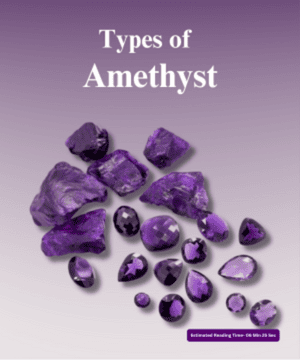
- Amethyst

- Garnet

- Moonstone

- Labradorite

- Quartz varieties

- Tourmaline

- Sapphire

- Aquamarine

- Spinel

- Opal (some types)

These stones let brands make both high-end and artistic lines with the same types of stones.
Faceted vs Cabochon: Quick Comparison Table
|
Feature |
Cabochon Stones |
Faceted Gemstones |
|
Surface |
Smooth, rounded dome |
Many flat sides |
|
Effect of light |
Soft light, depth |
Shine and sparkle |
|
Visual focus |
Color, pattern, texture |
Light reflection |
|
Style |
Organic, earthy, artistic |
Elegant, refined, classic |
|
Transparency |
Opaque to translucent |
Transparent to semi-transparent |
|
Durability |
High |
Moderate |
|
Wearability |
Excellent for daily wear |
Better for occasional wear |
|
Settings |
Bezel, wire wrap, flush |
Prong, pave, precision mounts |
|
Crafting style |
Artisan, handmade |
Precision, fine jewelry |
|
Price range |
Accessible to mid-range |
Mid-range to premium |
|
Customer appeal |
Emotional connection |
Visual attraction |
|
Brand positioning |
Story-driven |
Luxury-focused |
How to Decide the Right Cut for Your Jewelry Collection
The best choice always starts with being aware of what you're doing.
Think about this:
-
What is the identity of my brand?
Cabochons go well with brands that are earthy and artistic.
Faceted stones go well with brands that are classy and sophisticated.
-
Who are my customers?
People who are bohemian or spiritual tend to like cabochons.
People who buy luxury items and wedding rings tend to like faceted stones. -
What feeling am I trying to create?
Soulful, calm, and grounded = cabochon
Radiant, glamorous, and refined = faceted -
What is the range of prices I can afford?
Accessible pricing = cabochons
Premium pricing = multi-faceted -
What kinds of metals am I using?
Cabochons and artisan metals go well together.
Precious metals make faceted stones look better.
When the cut fits with the brand, the design looks like it was planned and makes sense.
Want to make sure your gemstone is genuine? Learn how certification works in Gemstone Certification Explained: Authenticity, Testing Process, Buyer’s Checklist.
Final Thoughts: Choosing the Right Gemstone Cut with Confidence
Choose between faceted and cabochon gemstones, but do not base your choice on cut. Pick the right cut for what you need. Cabochons add depth, warmth, and something special. Character, nature, and texture are all important. Stone tells stories and makes people feel things.
Gemstones with facets that are decorative, sparkle, and catch the eye. They draw attention, increase value, and illuminate luxury. The best jewelry brands have multiple styles. They intentionally speak and write in both design languages.
Cabochons help you connect, tell stories, and proudly display your craft. If desired, faceted stones will make your brand look elegant, brilliant, and high-end. When building a complete, versatile collection, knowing when to use each and using them with purpose is key. The best jewelry is defined by its look and feel. Each piece is about communication, and it's about the story it tells when worn.
FAQ
What is the difference between faceted and cabochon gemstones?
Faceted gemstones are cut with flat surfaces that create sparkle, while cabochons have a smooth, rounded surface that highlights color and natural patterns.
Which is better: faceted or cabochon?
Neither is better overall. Cabochons are great for everyday jewelry, but faceted stones are better for sparkly and fancy designs.
Are cabochon stones stronger than faceted stones?
Yes. Because they don't have sharp edges that can break easily, cabochons are usually more durable.
When should jewelers use gemstones that have facets?
Faceted gemstones are best for expensive jewelry, wedding rings, and pieces where light reflection and sparkle are important.
Is it possible for a gemstone to have both facets and cabochons?
Yes. You can get both cuts of many gems, such as quartz, sapphire, amethyst, garnet, and moonstone.
Visited 1354 No. of Time(s), 120 Visit(s) Today







Leave a Comment