





Buy Mother of Pearl Online – Natural Shell Material for Commercial Use
Shop our selection of natural mother of pearl sourced from established shell suppliers in Asia and the Pacific. Each piece is photographed under consistent lighting and priced based on nacre thickness, shell origin, surface quality, and cut precision. When you buy mother of pearl online from our gemstone shop, you receive detailed specifications and honest assessments of each piece's characteristics.
-
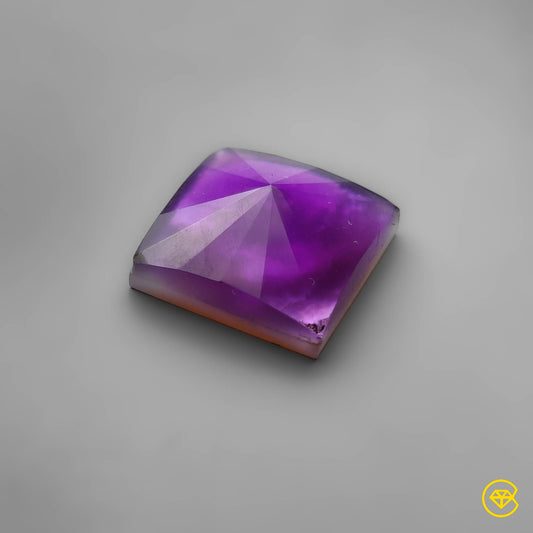
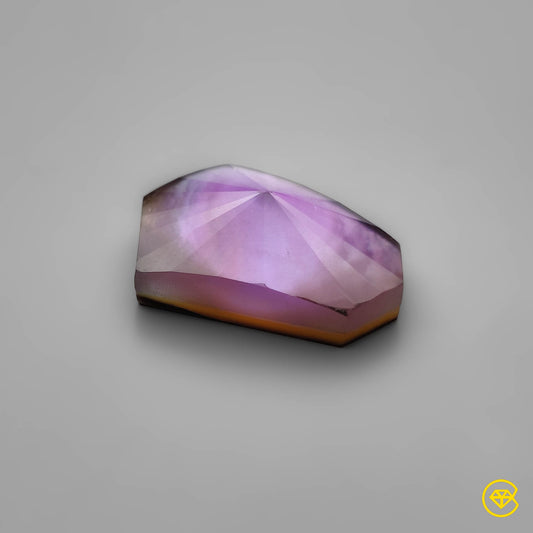
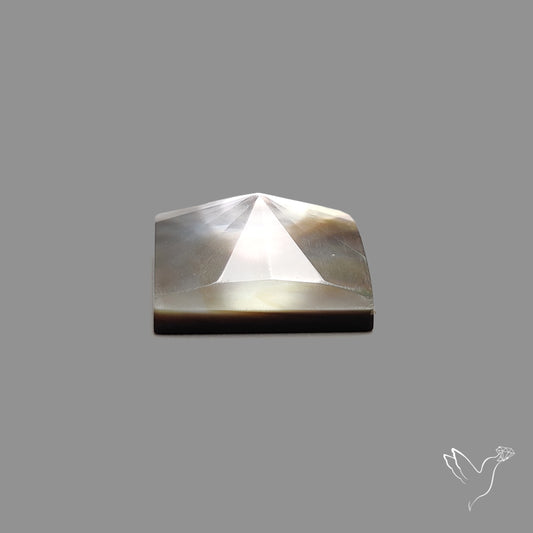
Step Cut Amethyst WIth Mother Of Pearl Doublet
SKU: N19584SIZE: 12X12X6 mmORIGIN: Brazil,ChinaRegular price $7.00 USDRegular priceUnit price per -
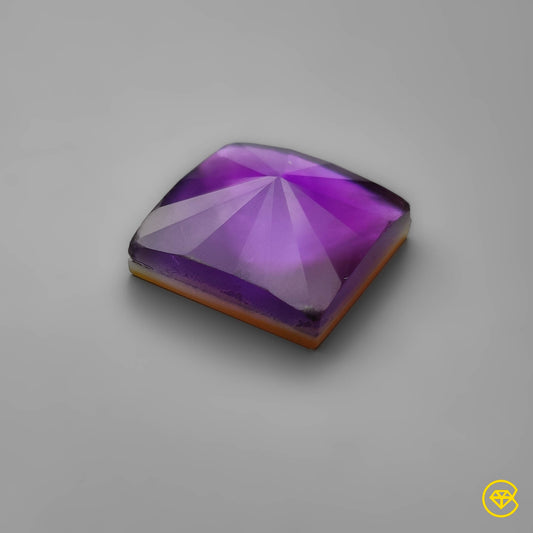
Step Cut Amethyst WIth Mother Of Pearl Doublet
SKU: N19588SIZE: 12X12X6 mmORIGIN: Brazil,ChinaRegular price $7.00 USDRegular priceUnit price per -
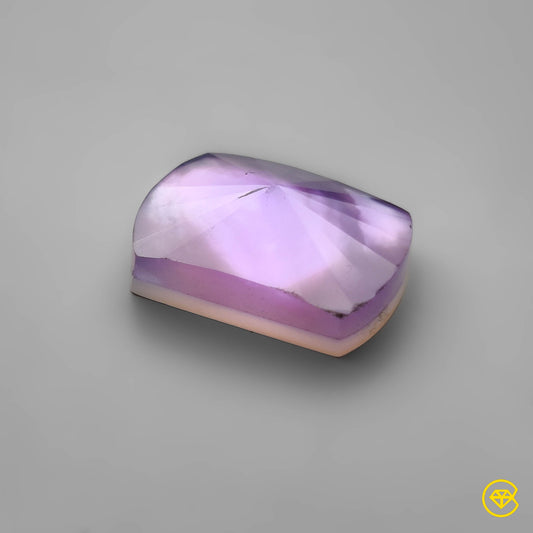
Step Cut Amethyst WIth Mother Of Pearl Doublet
SKU: N19593SIZE: 14X10X6 mmORIGIN: Brazil,ChinaRegular price $7.00 USDRegular priceUnit price per -
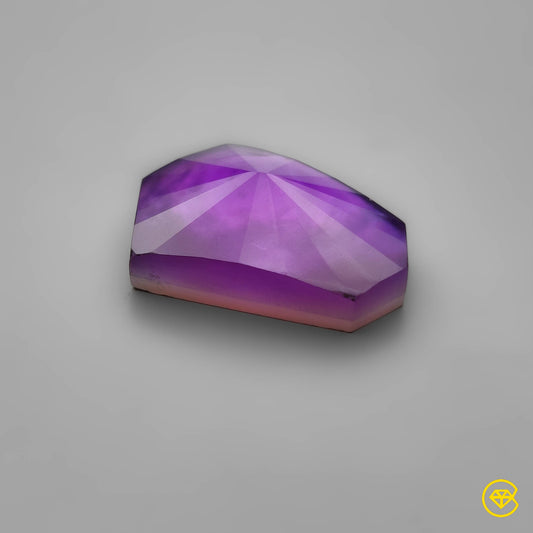
Step Cut Amethyst WIth Mother Of Pearl Doublet
SKU: N19594SIZE: 16X12X5 mmORIGIN: Brazil,ChinaRegular price $7.00 USDRegular priceUnit price per -
Step Cut Amethyst WIth Mother Of Pearl Doublet
SKU: N19595SIZE: 16X12X6 mmORIGIN: Brazil,ChinaRegular price $7.00 USDRegular priceUnit price per -
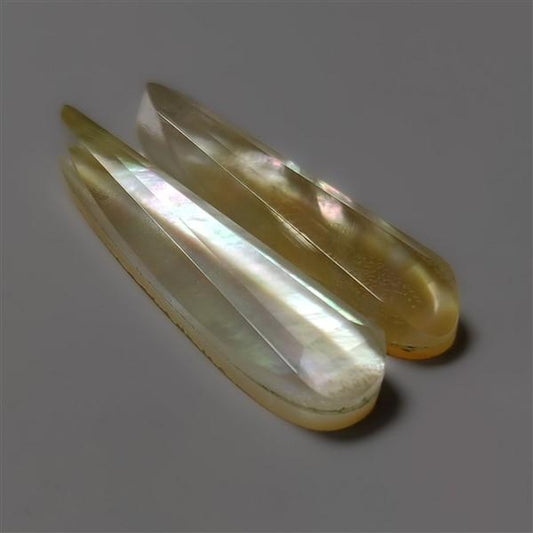
Step Cut Crystal & Mother Of Pearl Doublets Pair
SKU: CFSB11258Regular price $14.00 USDRegular priceUnit price per -
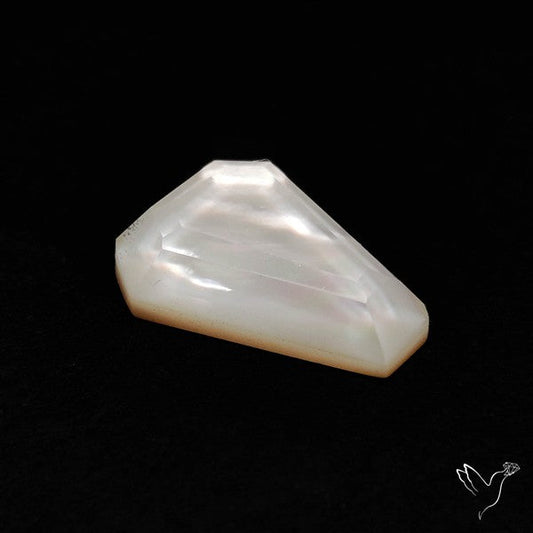
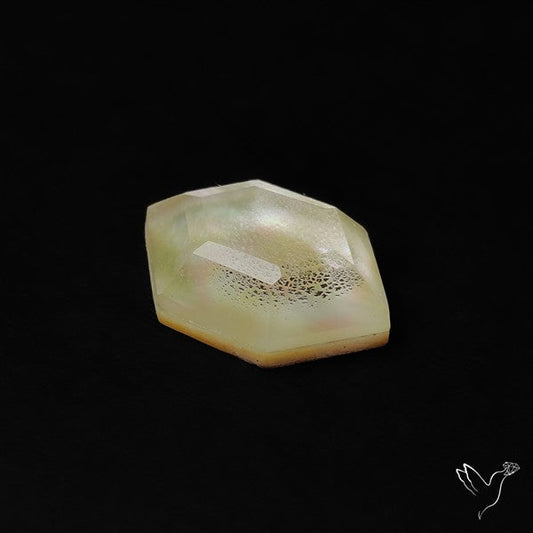
Step Cut Crystal And Mother Of Pearl Doublet
SKU: N35641SIZE: 18X14X5 mmORIGIN: India,ChinaRegular price $8.00 USDRegular priceUnit price per -
Step Cut Crystal And Rainbow Mother Of Pearl Doublet
SKU: N35192SIZE: 14X10X5 mmORIGIN: ChinaRegular price $6.00 USDRegular priceUnit price per -
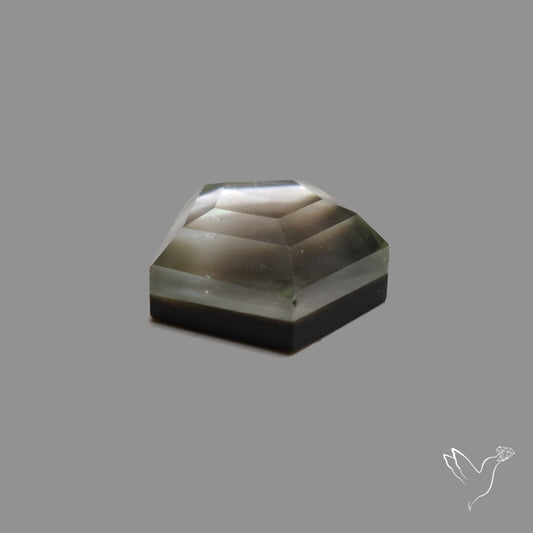
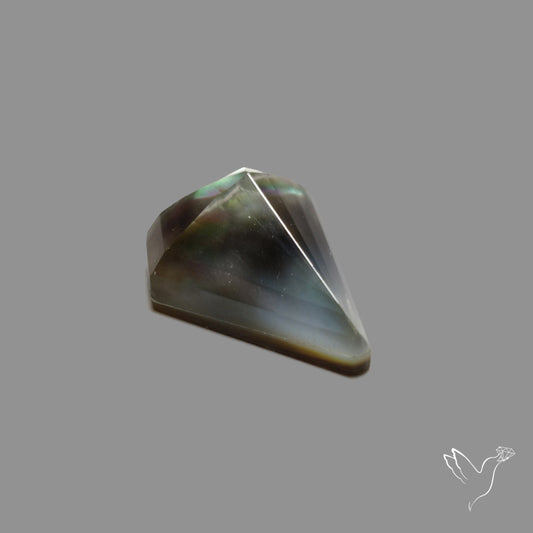
Step Cut Himalayan Quartz With Black Mother Of Pearl Doublet
SKU: N47024SIZE: 12X13X6 mmORIGIN: India,ChinaRegular price $6.00 USDRegular priceUnit price per -
Step Cut Himalayan Quartz With Black Mother Of Pearl Doublet
SKU: N47492SIZE: 12X12X5 mmORIGIN: India,ChinaRegular price $6.00 USDRegular priceUnit price per -
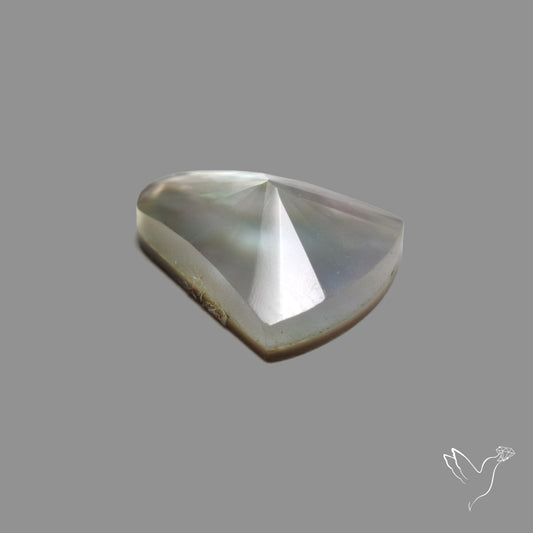
Step Cut Himalayan Quartz With Mother Of Pearl Doublet
SKU: N38216SIZE: 15X10X5 mmORIGIN: India,ChinaRegular price $6.00 USDRegular priceUnit price per -
Step Cut Himalayan Quartz With Mother Of Pearl Doublet
SKU: N46805SIZE: 14X12X6 mmORIGIN: India,ChinaRegular price $6.00 USDRegular priceUnit price per -
Step Cut Himalayan Quartz With Mother Of Pearl Doublet
SKU: N46860SIZE: 13X10X7 mmORIGIN: India,ChinaRegular price $6.00 USDRegular priceUnit price per -
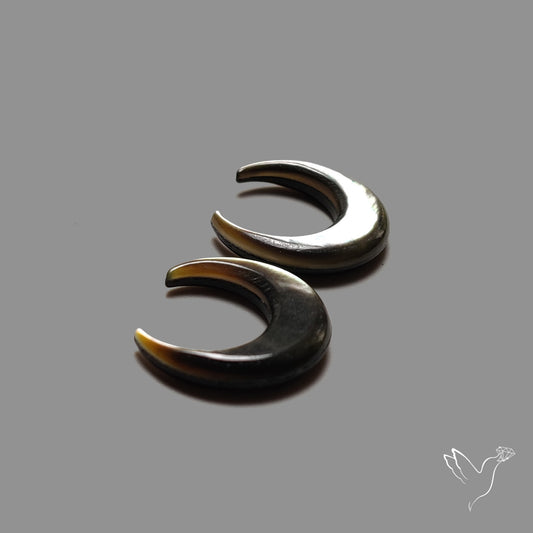
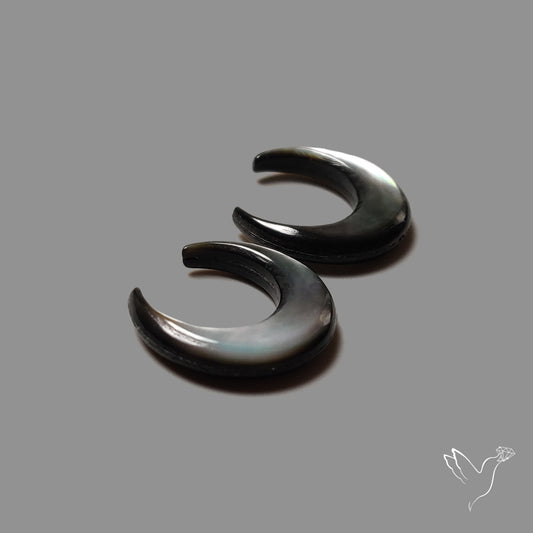
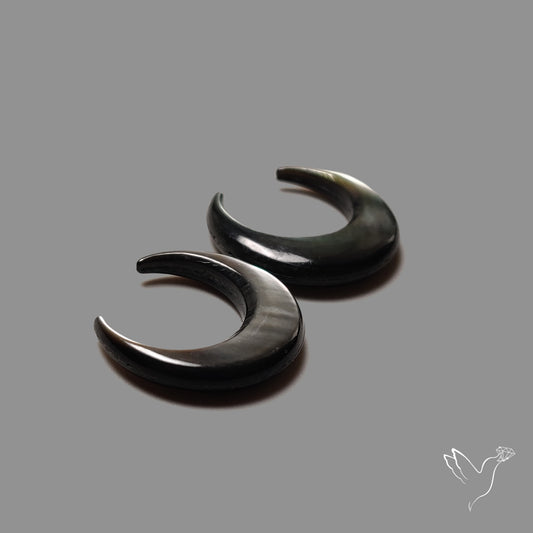
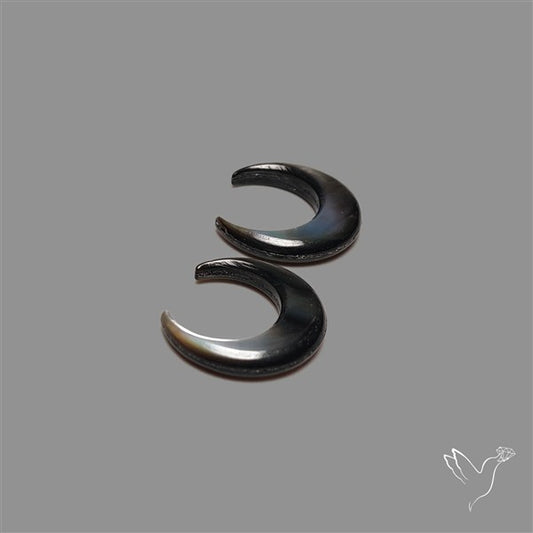
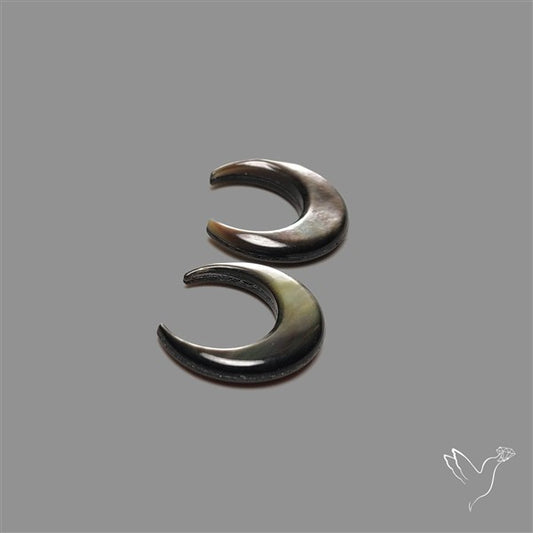
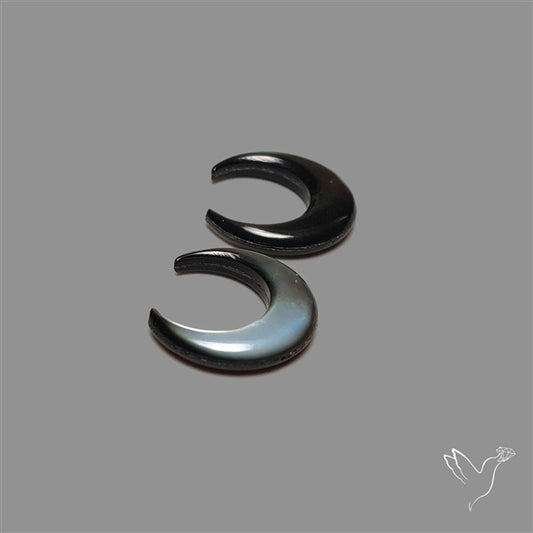
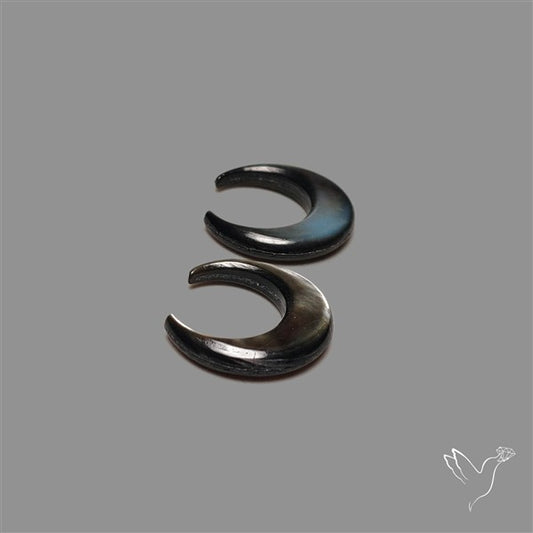
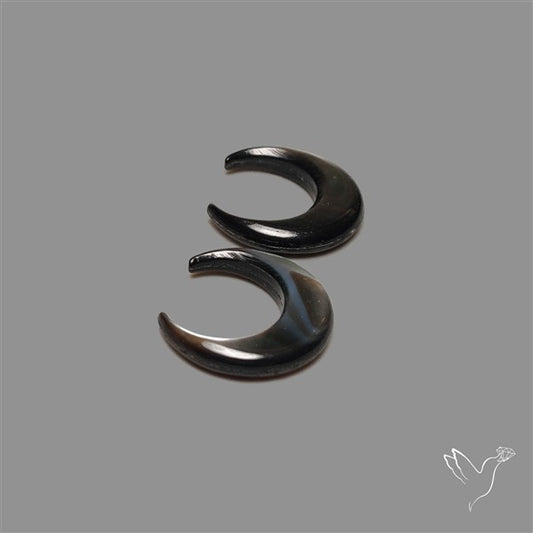
Tahitian Black Mother Of Pearl Crescents Pair
SKU: N46747SIZE: 14X15X3 mmORIGIN: ChinaRegular price $15.00 USDRegular priceUnit price per -
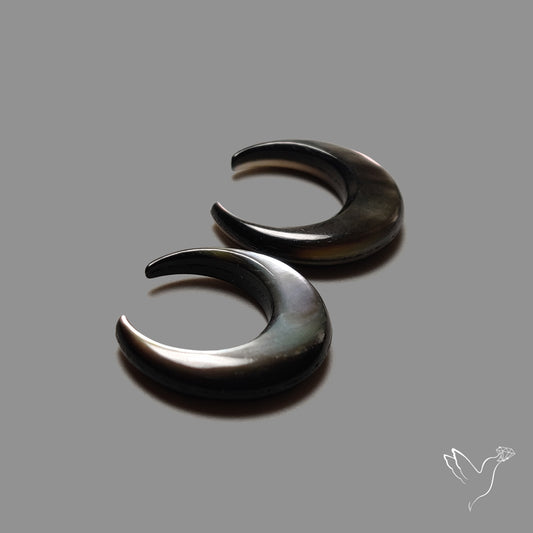
Tahitian Black Mother Of Pearl Crescents Pair
SKU: N46748SIZE: 14X15X3 mmORIGIN: ChinaRegular price $15.00 USDRegular priceUnit price per -
Tahitian Black Mother Of Pearl Crescents Pair
SKU: N46749SIZE: 14X15X3 mmORIGIN: ChinaRegular price $15.00 USDRegular priceUnit price per -
Tahitian Black Mother Of Pearl Crescents Pair
SKU: N46752SIZE: 14X15X3 mmORIGIN: ChinaRegular price $15.00 USDRegular priceUnit price per -
Tahitian Black Mother Of Pearl Crescents Pair
SKU: N46753SIZE: 14X15X3 mmORIGIN: ChinaRegular price $15.00 USDRegular priceUnit price per -
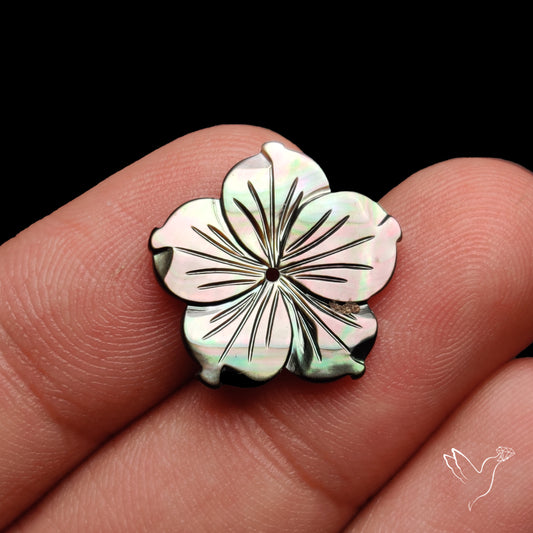
Tahitian Black Mother Of Pearl Flower Carving
SKU: N51582SIZE: 19X19X2 mmORIGIN: ChinaRegular price $12.00 USDRegular priceUnit price per -
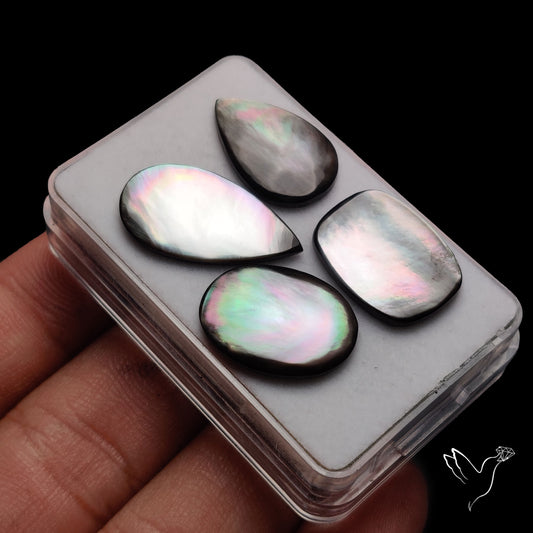
Tahitian Black Mother Of Pearl Lot
SKU: N53045SIZE: 13 - 24 mmORIGIN: ChinaRegular price $26.00 USDRegular priceUnit price per -
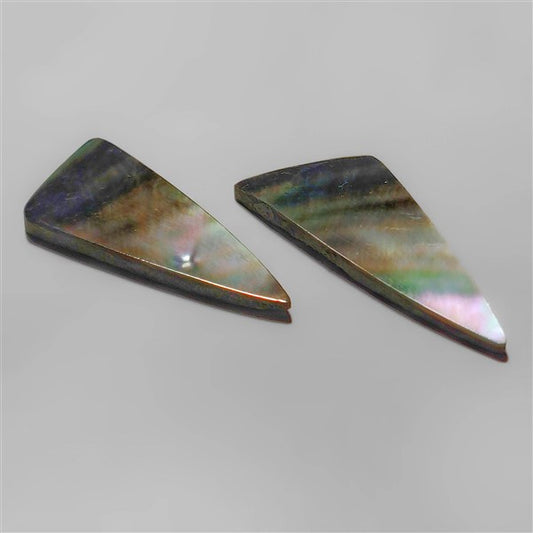
Tahitian Black Mother Of Pearl Pair
SKU: N540SIZE: 30 X 15 X 3mmORIGIN: French PolynesiaRegular price $12.00 USDRegular priceUnit price per -
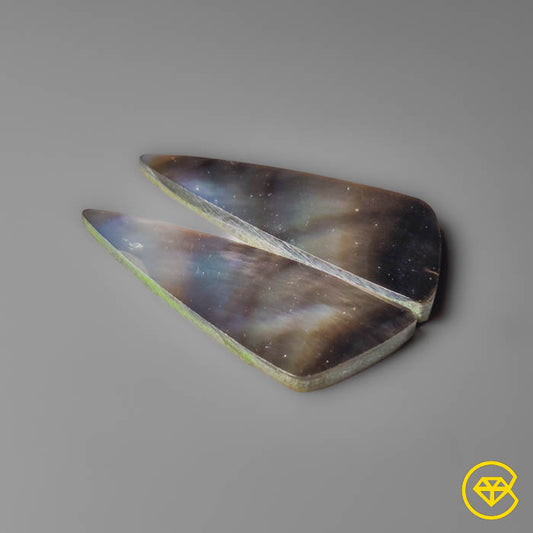
Tahitian Black Mother Of Pearl Pair
SKU: N8036SIZE: 33X11X4 mmORIGIN: French PolynesiaRegular price $13.00 USDRegular priceUnit price per -
Tahitian Black Mother Of Pearl Pair
SKU: N8040SIZE: 23X13X2 mmORIGIN: French PolynesiaRegular price $12.00 USDRegular priceUnit price per -
Tahitian Black Mother Of Pearl Pair
SKU: N8042SIZE: 35X14X2 mmORIGIN: French PolynesiaRegular price $14.00 USDRegular priceUnit price per -
Tahitian Black Mother Of Pearl Pair
SKU: N8043SIZE: 33X15X2 mmORIGIN: French PolynesiaRegular price $14.00 USDRegular priceUnit price per -
Tahitian Black Mother Of Pearl Pair
SKU: N26594SIZE: 28X11X3 mmORIGIN: French PolynesiaRegular price $14.00 USDRegular priceUnit price per -
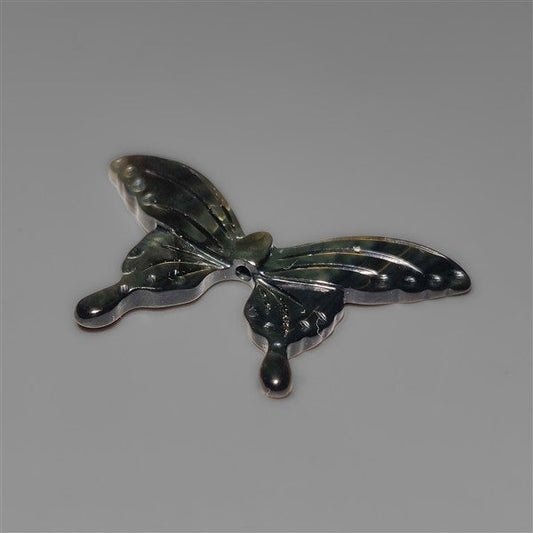
Tahitian Mother Of Pearl Butterfly Carving
SKU: N33273SIZE: 20X30X2 mmORIGIN: ChinaRegular price $12.00 USDRegular priceUnit price per -
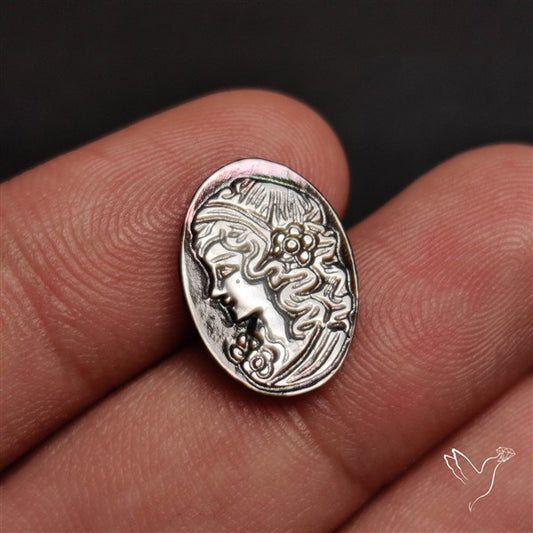
Tahitian Mother Of Pearl Cameo Carving
SKU: N57916SIZE: 18X13X2 mmORIGIN: ChinaRegular price $9.00 USDRegular priceUnit price per -
Tahitian Mother Of Pearl Carving Inlay
SKU: N57914SIZE: 25X25X3 mmORIGIN: ChinaRegular price $16.00 USDRegular priceUnit price per -
Tahitian Mother Of Pearl Carving Inlay
SKU: N57913SIZE: 25X25X3 mmORIGIN: ChinaRegular price $16.00 USDRegular priceUnit price per -
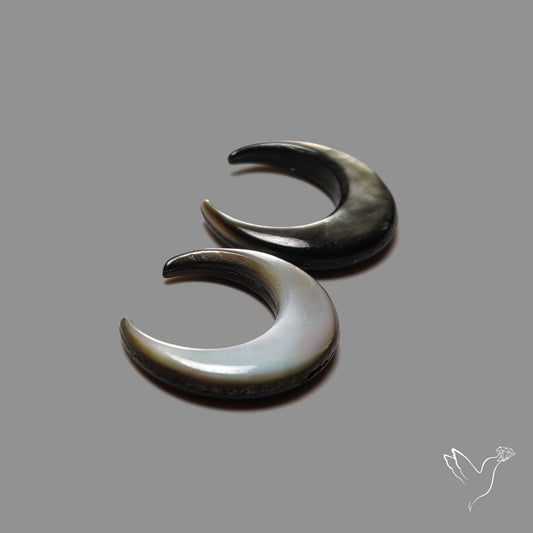
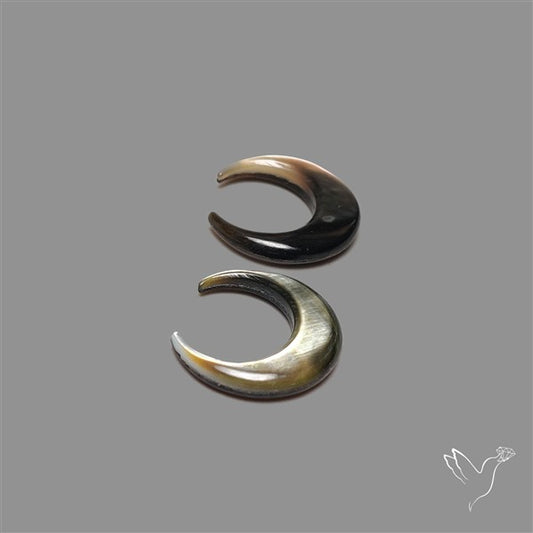
Tahitian Mother Of Pearl Crescents Pair
SKU: N58164SIZE: 15X14X3 mmORIGIN: ChinaRegular price $18.00 USDRegular priceUnit price per -
Tahitian Mother Of Pearl Crescents Pair
SKU: N58165SIZE: 15X14X3 mmORIGIN: ChinaRegular price $18.00 USDRegular priceUnit price per -
Tahitian Mother Of Pearl Crescents Pair
SKU: N58167SIZE: 15X14X3 mmORIGIN: ChinaRegular price $18.00 USDRegular priceUnit price per -
Tahitian Mother Of Pearl Crescents Pair
SKU: N58166SIZE: 15X14X3 mmORIGIN: ChinaRegular price $18.00 USDRegular priceUnit price per -
Tahitian Mother Of Pearl Crescents Pair
SKU: N58168SIZE: 15X14X3 mmORIGIN: ChinaRegular price $18.00 USDRegular priceUnit price per -
Tahitian Mother Of Pearl Crescents Pair
SKU: N58169SIZE: 15X14X3 mmORIGIN: ChinaRegular price $18.00 USDRegular priceUnit price per






















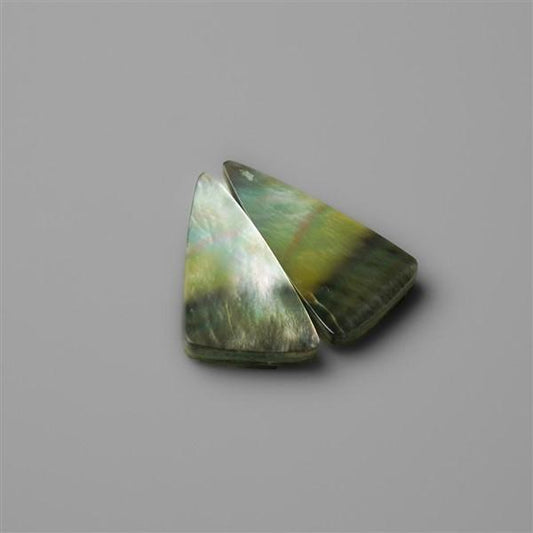

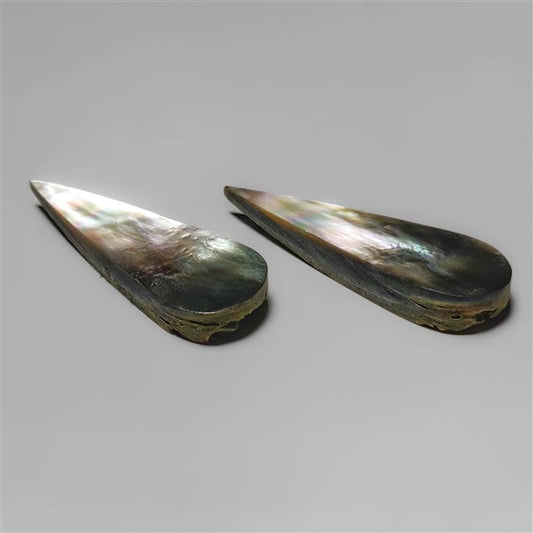

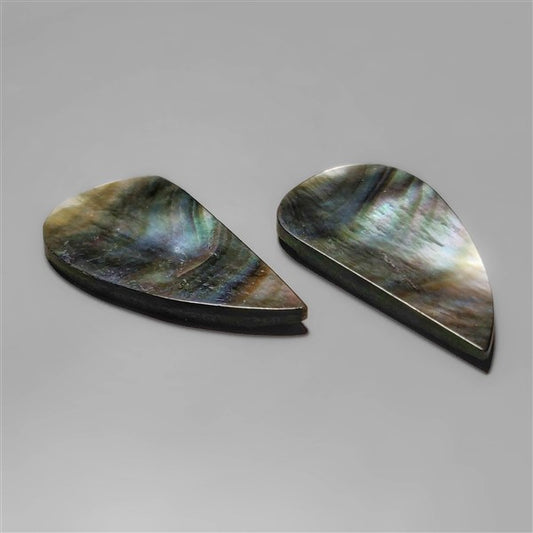

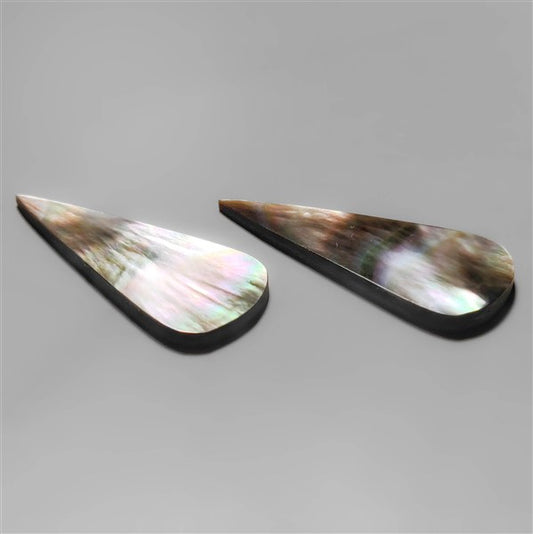











All About MOTHER OF PEARL Gemstones
What Is Mother of Pearl? Material Properties to Know

What Forms of Mother of Pearl Are Available?
Shell Source Variations Buyers Should Expect
What Determines Mother of Pearl Value?
What Should Buyers Verify Before Ordering?
Handling and Production Notes
Who Uses Mother of Pearl Commercially?
Why Buy Mother of Pearl from Our Collection?
Looking for Similar Shell or Organic Materials?
FAQ


