117 products

All About LAPIS LAZULI Gemstones

What Is Lapis Lazuli and How Is It Classified?

down icon

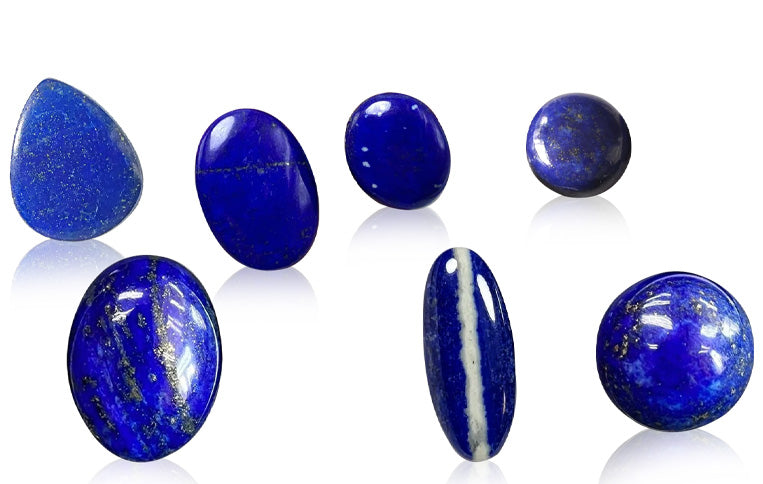
Lapis lazuli is a rock, not a single mineral. Its value and usability depend on the internal balance of three primary components:

  • Lazurite – responsible for blue color
  • Calcite – white or gray veining
  • Pyrite – metallic gold flecks

Commercial grading of lapis lazuli focuses on visual performance and material stability, not laboratory purity. For buyers, this means assessing how these components interact across the surface rather than isolating one mineral in theory.

At GemstonesForSale, lapis is evaluated for:

  • Color depth and saturation
  • Distribution of pyrite vs calcite
  • Surface consistency after cutting
  • Suitability for intended use (jewelry, beads, décor)

How Lazurite Content Impacts Color Depth

down icon

The depth of blue in lapis lazuli is determined primarily by lazurite concentration.

From a buyer’s perspective:

  • High lazurite content produces deep royal to ultramarine blue
  • Moderate lazurite content results in lighter blue tones with mineral variation
  • Low lazurite content appears dull or grayish and is typically lower grade

Equally important is how evenly lazurite is distributed. Stones with uneven blue zones may look appealing in rough form but often lose consistency when cut into cabochons or beads.

For jewelry makers and designers, stones with uniform color coverage provide better predictability during setting and finishing.

Pyrite vs Calcite: What Balance Is Preferred?

down icon

Pyrite Distribution

Pyrite is acceptable—and often desirable—when present in fine, evenly scattered flecks. It adds contrast without overpowering the blue base.

Professional buyers usually avoid:

  • Large pyrite clusters
  • Surface-breaking metallic patches
  • Structural weakness caused by excessive pyrite

Calcite Presence

Calcite appears as white or pale gray streaks.

Typical preferences:

  • Minimal calcite for jewelry-grade stones
  • Moderate calcite acceptable for beads or decorative use
  • Heavy calcite lowers overall grade and visual appeal

In practical terms:

  • Jewelry-focused buyers prioritize high lazurite with limited calcite
  • Décor or inlay buyers may accept greater variation

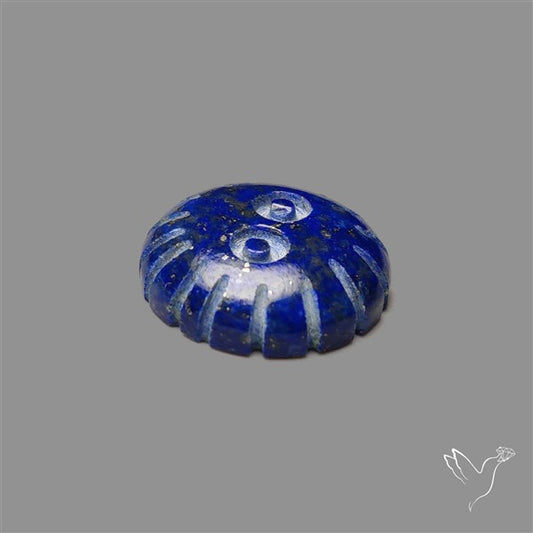
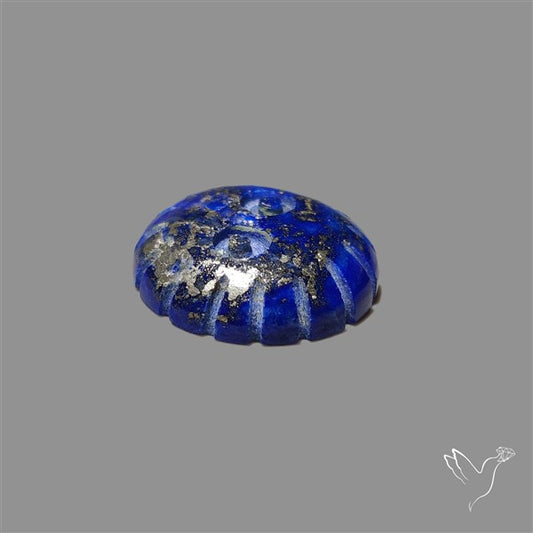
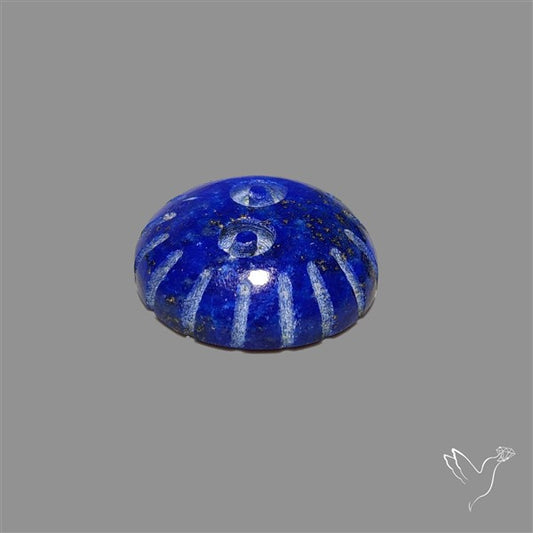
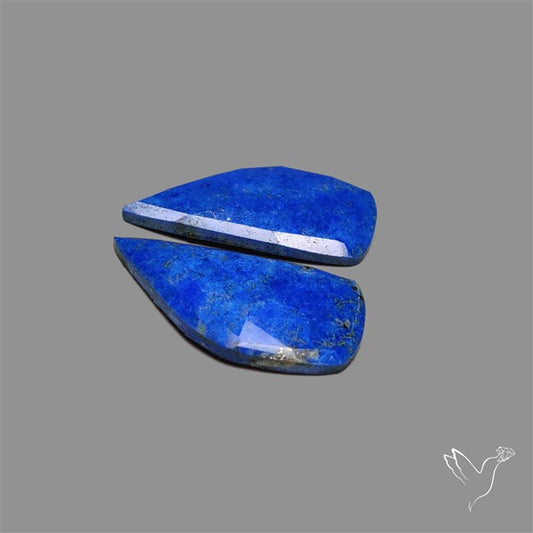
Each lapis lazuli stone for sale on this page is shown individually to support these evaluations.

Origin Expectations: Afghanistan vs Other Sources

down icon

Afghan Lapis Lazuli

Material from Afghanistan is widely regarded as the benchmark for lapis lazuli quality.

Common characteristics:

  • Deep, saturated blue
  • High lazurite concentration
  • Minimal calcite
  • Controlled pyrite distribution

Other Sources

Lapis is also sourced from regions such as Chile and Russia.

These materials often show:

  • Lighter blue tones
  • More visible calcite
  • Greater internal variation

Experienced buyers typically assess actual material quality over origin labels, using Afghan lapis as a reference point rather than a guarantee.

Why Lapis Lazuli Is Commonly Cut into Beads, Cabochons & Inlay

down icon

Lapis lazuli has a Mohs hardness of approximately 5–5.5, which influences how it is best cut and used.

Common formats include:

  • Cabochons – protect edges and highlight surface color
  • Beads – suitable for necklaces and bracelets
  • Inlay material – effective in controlled, low-impact settings

Faceted cuts are uncommon due to opacity and structural limitations. Smooth surface finishes provide better durability and visual consistency.

How Lapis Lazuli Is Used in Jewelry and Décor

down icon

Jewelry Use Cases

  • Bezel-set rings
  • Pendants and statement pieces
  • Beaded necklaces and bracelets
  • Earrings (cabochon-based designs)

Decorative and Craft Applications

  • Inlay work in metal, wood, or stone
  • Mosaic and ornamental design
  • Small carvings and accents

Lapis is typically used as a primary visual element, not an accent stone.

What Experienced Buyers Look for When Buying Lapis Lazuli

down icon

Professionals sourcing lapis lazuli gemstones for sale usually evaluate:

  • Color depth and uniformity
  • Lazurite-to-calcite ratio
  • Pyrite distribution quality
  • Thickness and symmetry for setting
  • Accuracy of product photography
  • Intended application (jewelry vs décor)

At GemstonesForSale, every listing includes exact measurements and real images to support these decisions.

Buying Lapis Lazuli Stones Online from GemstonesForSale

down icon

When you buy lapis lazuli online, especially for fabrication or resale, accurate representation matters more than marketing language.

Our lapis lazuli collection offers:

  • Natural, untreated material
  • One-of-a-kind stones (no stock photos)
  • Clear size, weight, and format details
  • Options ranging from finished stones to raw lapis lazuli stone
  • Transparent pricing to help evaluate lapis lazuli crystal price relative to quality

This approach supports confident purchasing for both first-time and repeat buyers.

down icon

down icon

Lapis Lazuli Crystals and Stones Available

down icon

This collection includes:

  • Lapis lazuli stones for sale suitable for jewelry making
  • Lapis lazuli crystal for sale for décor or craft use
  • Select raw lapis lazuli stone pieces for custom work

Browse the listings below to compare material characteristics directly. For alternative materials with different optical properties, you may also explore our Labradorite gemstone collection or return to the GemstonesForSale homepage to view all available stones.

FREQUENTLY ASKED QUESTIONS (FAQs)

down icon

Q: What determines the quality of lapis lazuli stones?

A: Lapis lazuli quality is primarily determined by lazurite content, color depth, and the balance of pyrite and calcite. High-quality stones show deep blue color with minimal calcite and evenly distributed pyrite.

Q: Are your lapis lazuli stones natural?

A: Yes. All lapis lazuli stones for sale on GemstonesForSale are natural, with composition details visible through real product photography.

Q: What is the difference between pyrite and calcite in lapis lazuli?

A: Pyrite appears as metallic gold flecks and can enhance appearance when finely distributed. Calcite appears as white or gray veining and generally lowers visual grade when present in excess.

Q: Why is lapis lazuli usually cut as cabochons or beads?

A: Lapis lazuli is opaque and has moderate hardness, making cabochons, beads, and inlay the most durable and visually consistent cutting styles.

Q: Can lapis lazuli be used for jewelry making?

A: Yes. Lapis lazuli is commonly used for rings (bezel-set), pendants, beads, and earrings when cut and set appropriately.

Q: Do you ship lapis lazuli stones to the USA?

A: Yes. GemstonesForSale ships lapis lazuli gemstones to the USA with secure and trackable delivery.

down icon

down icon

down icon

down icon

down icon