






























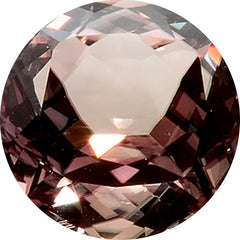




Buy Citrine Crystal Online - Gemstonesforsale
Market transparency matters when sourcing citrine. Most commercial citrine crystals for sale originate as amethyst or smoky quartz transformed through heat treatment—a stable, permanent enhancement that's been industry standard for decades. Genuine natural citrine crystals for sale from primary deposits are considerably rarer and command different pricing.
Our collection clearly distinguishes between natural and treated material. When you buy citrine gemstone online, complete origin and treatment information accompanies every listing, enabling accurate representation to your customers and appropriate pricing decisions.
-
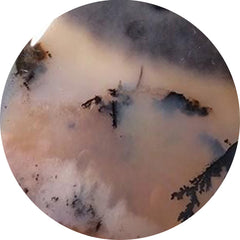
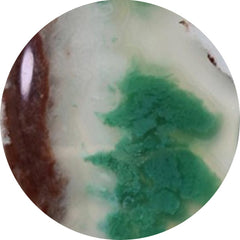
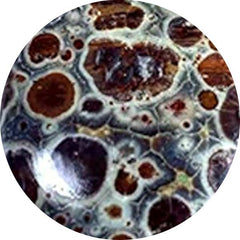
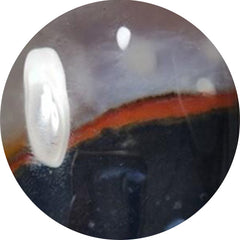
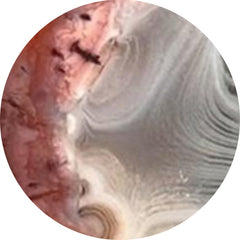
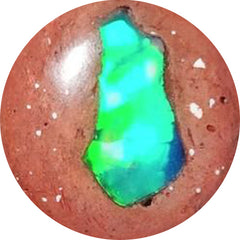
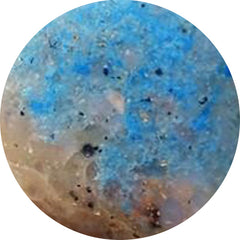
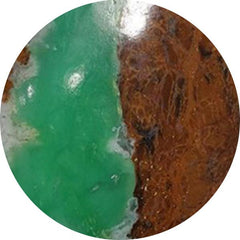
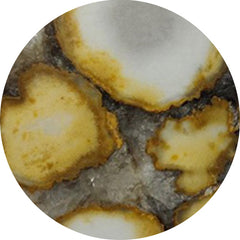
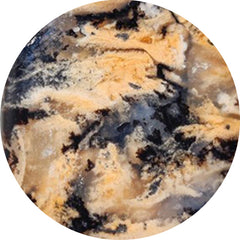
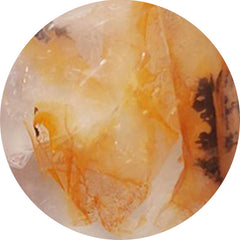
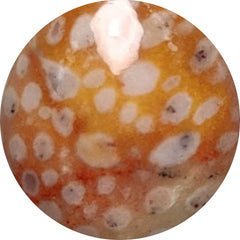
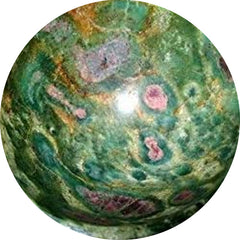
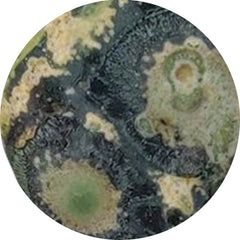
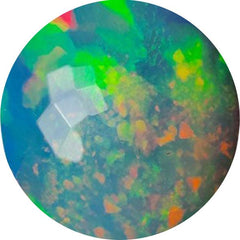
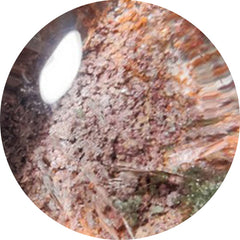
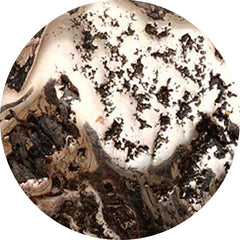
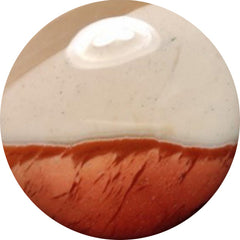
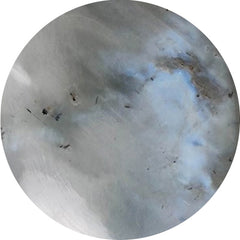
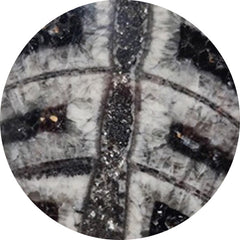
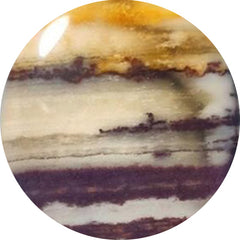
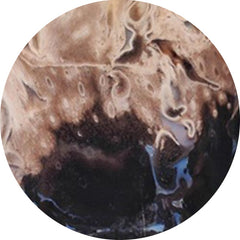
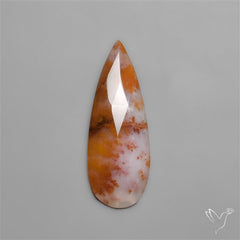
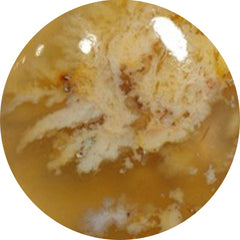
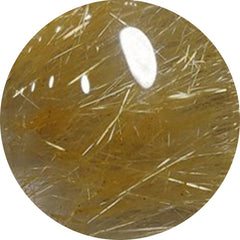
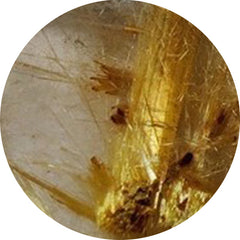
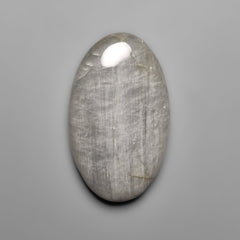
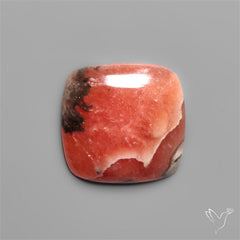
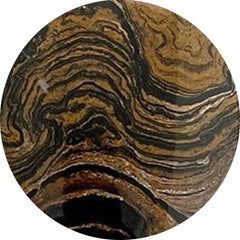
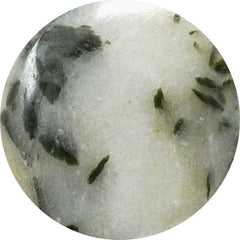
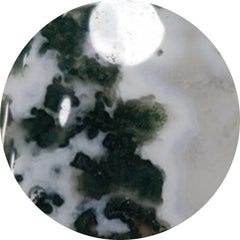
Rutilated Quartz, Chalcedony, Citrine, Rutilated Quartz Lot
SKU: N50581Size: 16 - 21 mmOrigin: IndiaRegular price $28.00 USDRegular priceUnit price per -
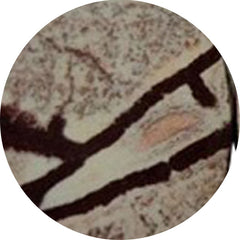
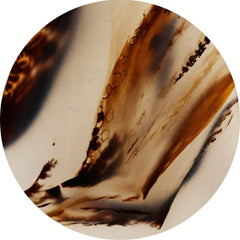
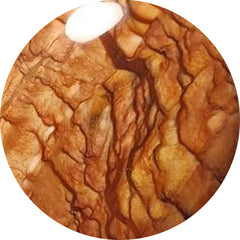
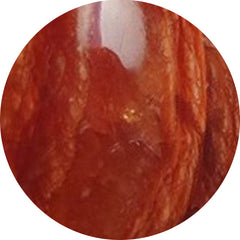
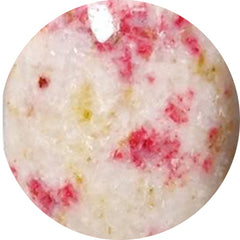
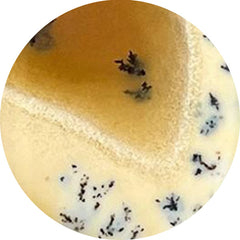
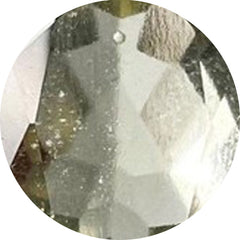
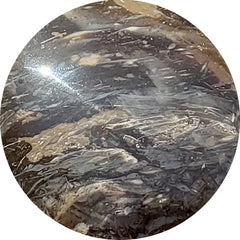
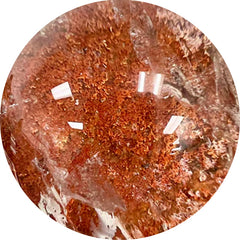
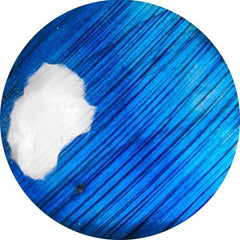
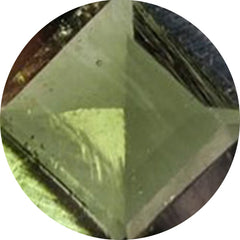
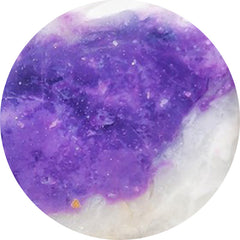
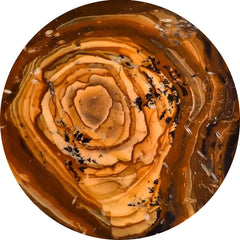
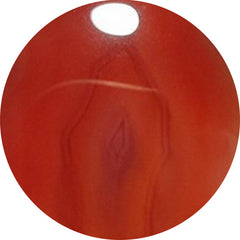
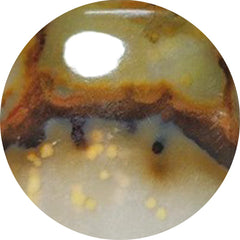
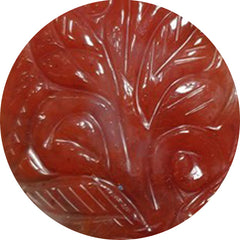
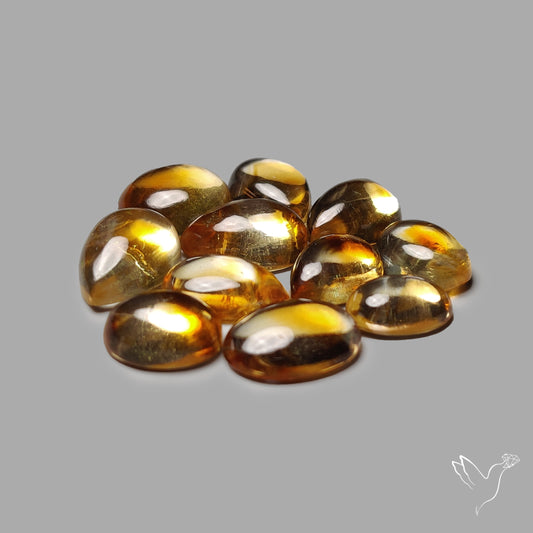
Trapiche Citrine Cabochon Lot
SKU: N41797Size: 9 - 12 mmOrigin: BoliviaRegular price $40.00 USDRegular priceUnit price per -
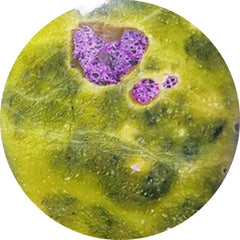
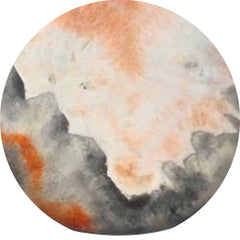
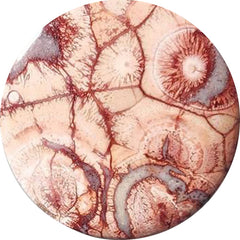
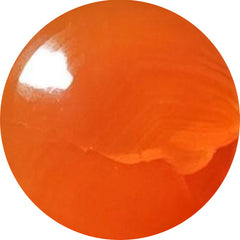
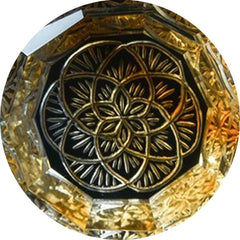
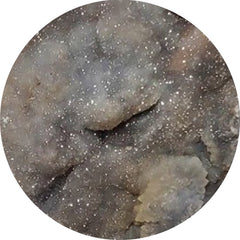
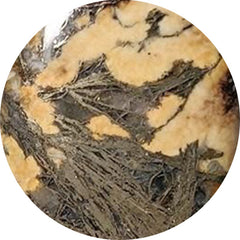
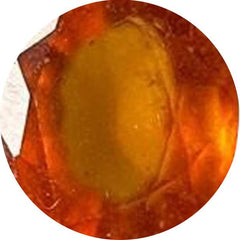
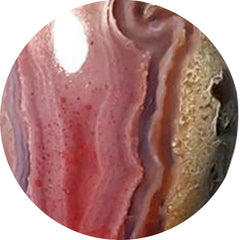
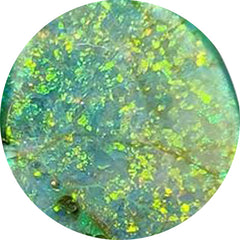
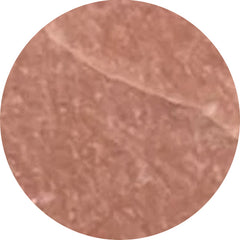
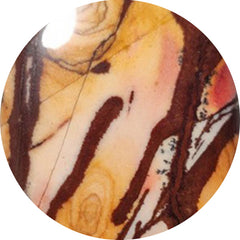
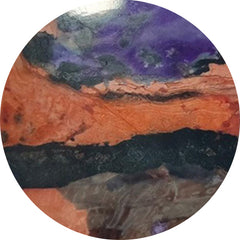
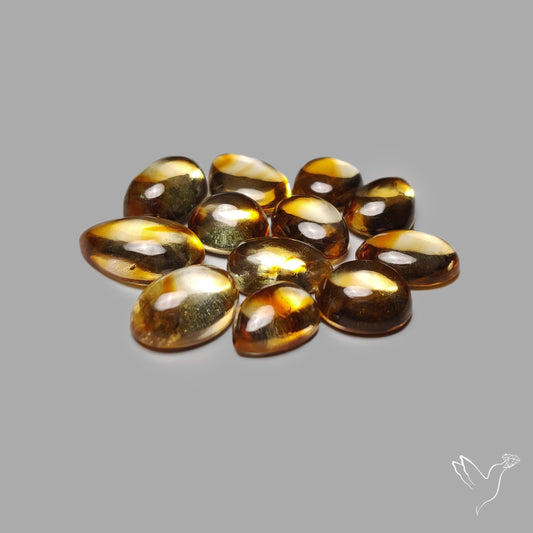
Trapiche Citrine Cabochon Lot
SKU: N41798Size: 7 - 12 mmOrigin: BoliviaRegular price $40.00 USDRegular priceUnit price per -
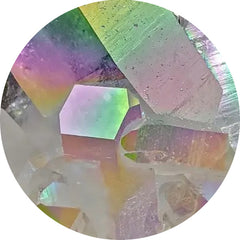
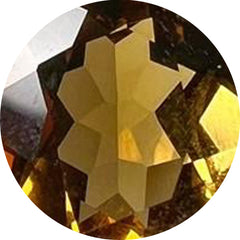
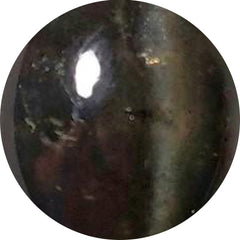
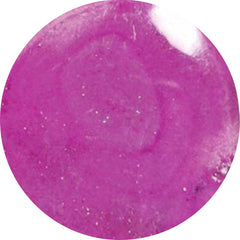
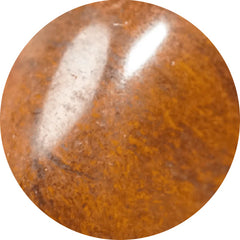
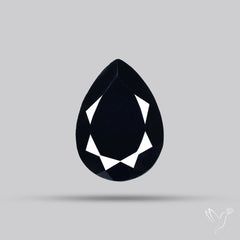
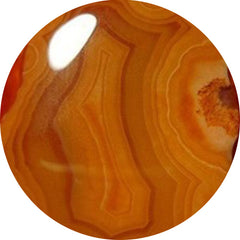
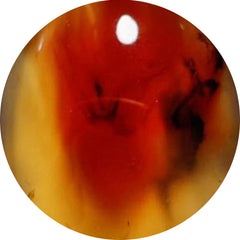
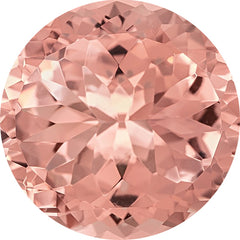
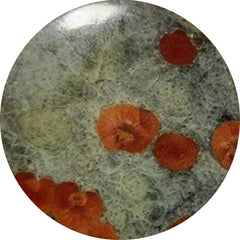
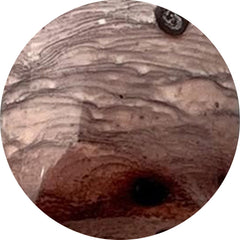
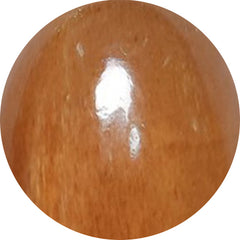
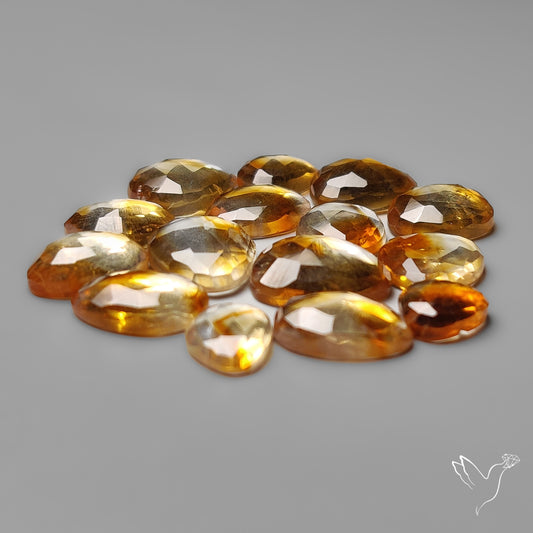
Trapiche Citrine Cabochon Rose Cuts Lot
SKU: N41800Size: 7 - 11 mmOrigin: BoliviaRegular price $42.00 USDRegular priceUnit price per




All About CITRINE Gemstones
Quick Specs

Natural vs. Heat-Treated Citrine – What's the Difference?
What Citrine Colors Are Available to Buy?
How to Choose Quality Citrine Gemstones
Citrine Gemstone Price – Forms and Pricing Guide
Why Treatment Transparency Matters When You Buy Citrine
Citrine for Jewelry Making – Production Guidelines
Shop Citrine Crystals – Stock Availability and Bulk Orders
FREQUENTLY ASKED QUESTIONS (FAQs)

