



































Table of Contents


 Share
Share
Gemstones have long carried meanings that go beyond their color and mineral composition. Some have been linked with the moon, dreams, protection, mental clarity, or quiet reflection. Over time, these associations have contributed to a broad body of sleep gemstone folklore.
That folklore can be interesting to collectors, jewelry buyers, and designers creating night-themed pieces. However, you should not confuse it with medical evidence.
In this blog, we try to look at the traditions surrounding commonly mentioned stones related to insomnia. Still, the distinction between symbolism, gemology, and medical treatment remains clear.

Gemstones Traditionally Associated With Sleep
Several gemstones, including amethyst, moonstone, howlite, blue lace agate, lepidolite, selenite, and sodalite, are traditionally or more recently associated with calm, dreams, and bedtime rituals. However, there is no clinical evidence that gemstones treat insomnia.

|
Important Note: Gemstones are cultural, symbolic, and aesthetic objects. But insomnia is a medical condition. Anyone with persistent or worsening sleep difficulty should consult a doctor or sleep specialist rather than rely on gemstones for insomnia. |
Popular Gemstones in Sleep-Related Folklore
Traditional sleep stones are associated with different folklore. For instance, amethyst and moonstone have documented historical lore, although the stories were not always specifically about sleep.
Gemstones and superstitions often go hand-in-hand. Many stones entered calming and bedtime traditions much more recently. Let’s take a look at some of the most popular ones.
1. Amethyst
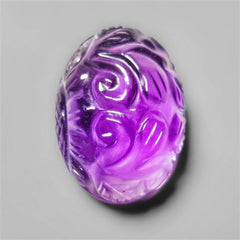
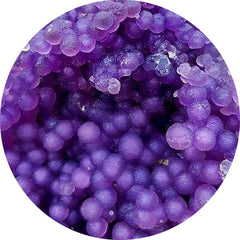
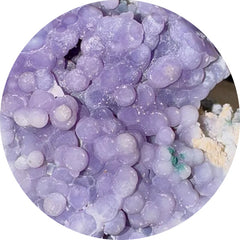
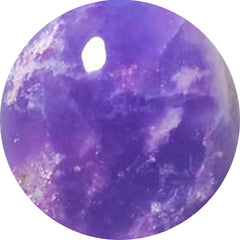
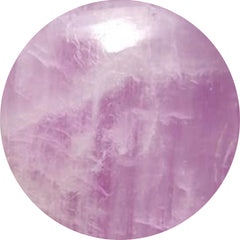
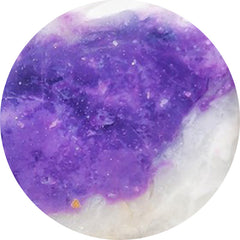
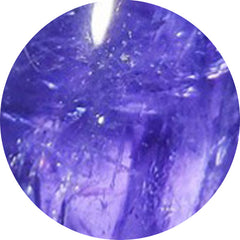
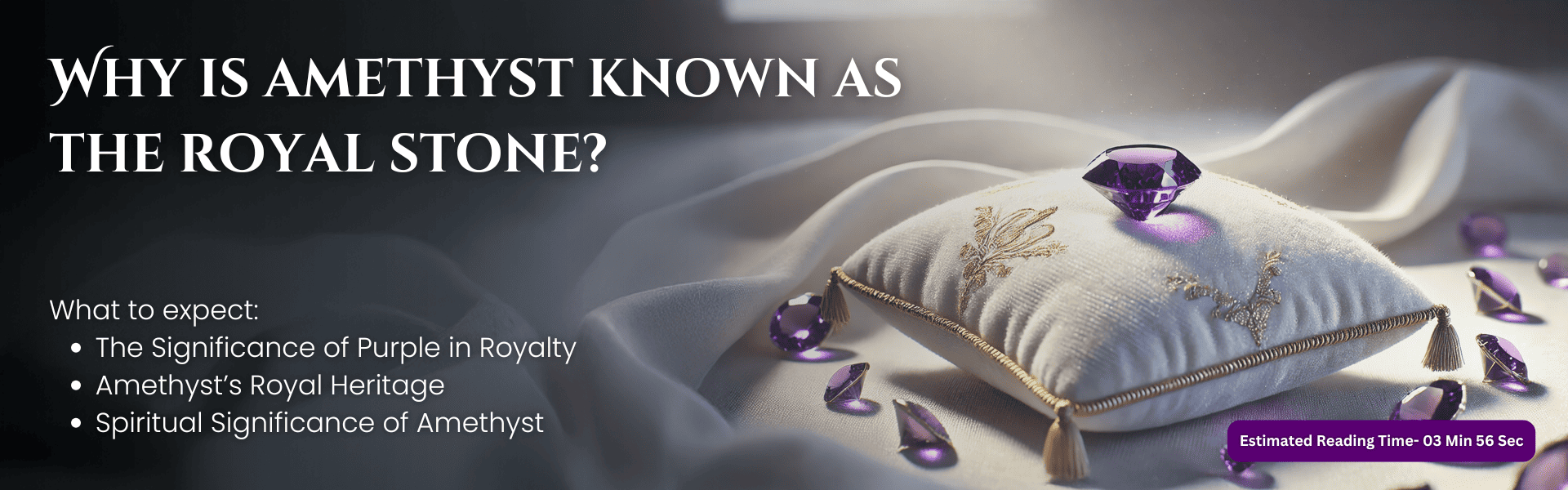
In modern crystal folklore, amethyst is one of the best-known calming gemstones. Its older documented lore is somewhat different.
Greek and Roman stories connected the stone with sobriety, clear thinking, and protection from intoxication rather than with insomnia itself.

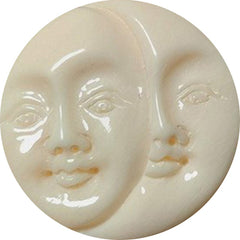
2. Moonstone
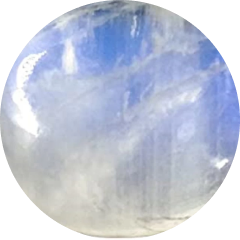
Moonstone’s bedtime symbolism comes largely from its visual and cultural relationship with the moon. There’s a popular Hindu myth that moonstone was formed from solidified moonbeams.
Modern folklore has extended this lunar imagery to dreams, intuition, and nighttime calm.
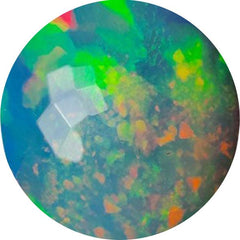
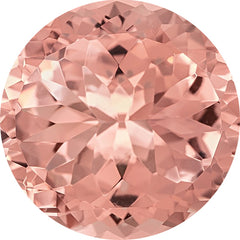
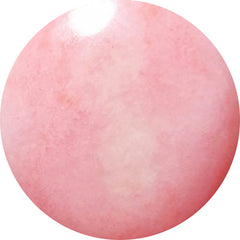
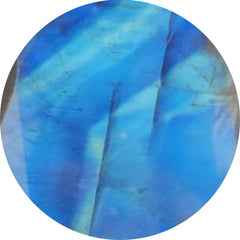
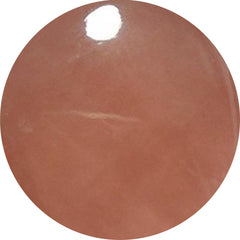
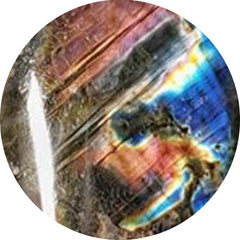
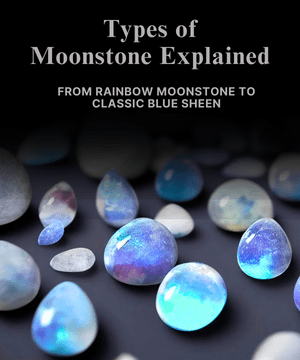
Gemologically, moonstone belongs to the feldspar group. Its floating glow, known as adularescence, is produced when light scatters between microscopic internal layers. The moonstone collection includes white, peach, gray, rainbow, and other varieties that can support different interpretations of a night-inspired jewelry line.

3. Howlite
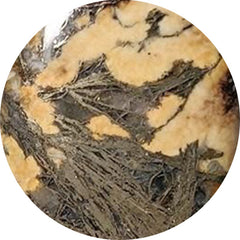
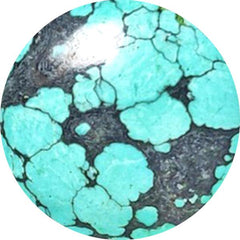
Howlite’s association with stillness, patience, and sleep belongs mainly to modern crystal folklore. It is not one of those ancient gemstones for sleep.
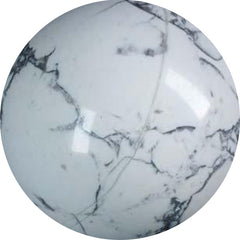
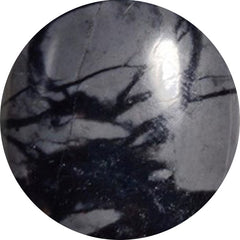
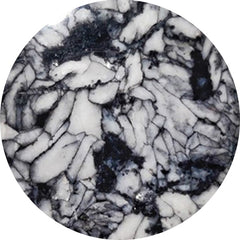
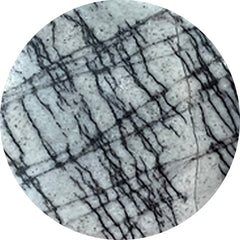
Natural howlite is usually white or pale gray with darker veining. Its softness makes it more appropriate for beads, earrings, pendants, or protected settings than exposed rings.

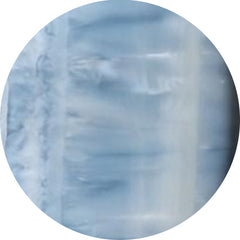
4. Blue Lace Agate
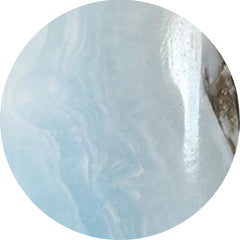
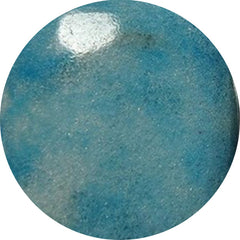
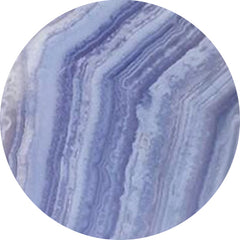
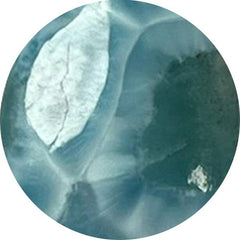
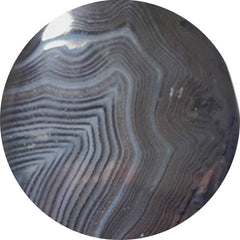
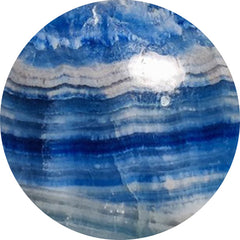
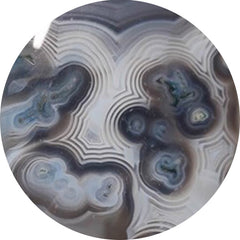
Blue lace agate is commonly associated with quiet, composure, and gentle communication in modern crystal traditions. It is linked to contemporary sleep gemstone folklore rather than an ancient belief.
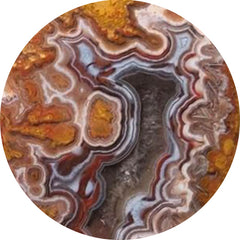
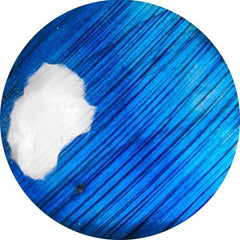
The stone is a form of banded chalcedony, recognized by pale blue and white lace-like patterning.

5. Lepidolite
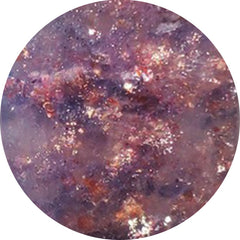
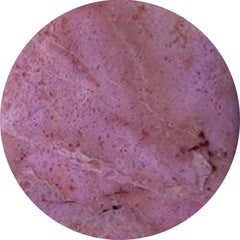
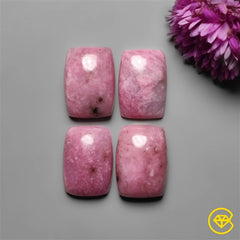
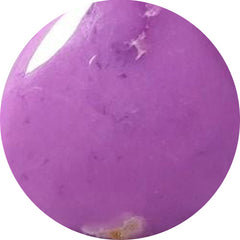
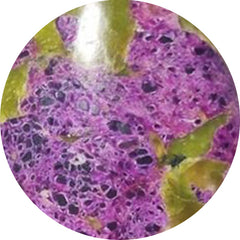
Lilac and violet lepidolite is associated with rest, emotional quiet, and slowing down in contemporary crystal folklore. These meanings are symbolic, and there is no evidence that the mineral changes sleep physiology.
Lepidolite is a lithium-rich member of the mica group. But the presence of lithium in its mineral structure does not mean that holding or wearing the stone delivers a medicinal form of lithium or produces a pharmacological effect.

6. Selenite
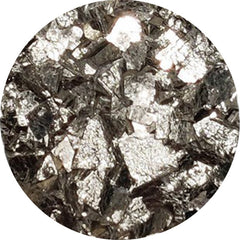
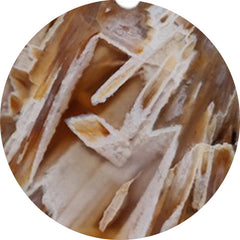
Selenite frequently appears as one of the modern bedside gemstones. It has a translucent appearance and lunar associations. But this is an aesthetic and symbolic use, not evidence of a sleep-inducing property.
Mineralogically, selenite is a crystalline variety of gypsum. Gypsum is generally more appropriate for decorative objects and mineral specimens than for frequently worn jewelry.

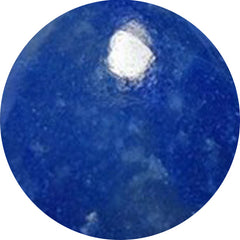
7. Sodalite
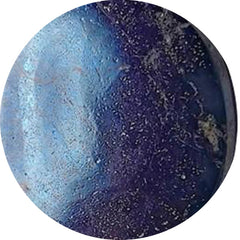
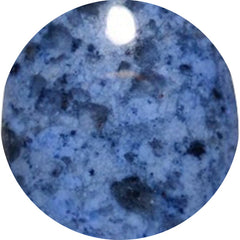
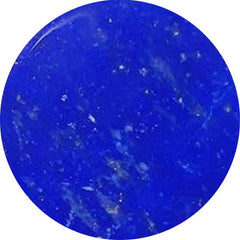
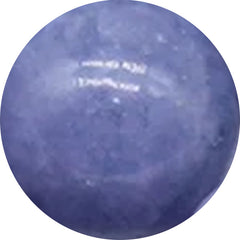
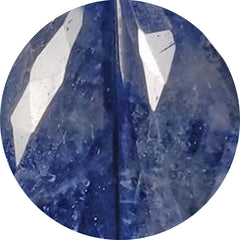
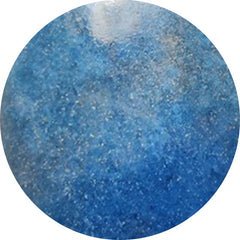
Deep blue sodalite is usually tied to composure, reflection, and mental order in modern crystal traditions. As with the other stones, these are cultural meanings rather than demonstrated effects on insomnia.
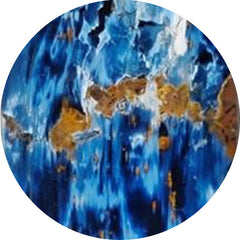
Sodalite is a sodium-aluminum silicate mineral, commonly seen in rich blue material with white or pale veining. It is widely fashioned into cabochons, beads, carvings, and ornamental pieces.

What Research Says About Gemstones and Sleep
No peer-reviewed clinical evidence currently supports crystals for insomnia treatment. NIH guidance on studied sleep approaches covers CBT-I, relaxation, mindfulness, and related behavioral methods.
Also, a controlled study of healing crystals for anxiety found no stone-specific benefit beyond placebo. A gemstone may become a personal cue within a consistent bedtime routine. But that would be a behavioral association rather than an effect produced by the mineral.

When to Consult a Sleep Professional
Insomnia can involve difficulty staying asleep, falling asleep, or obtaining satisfactory sleep despite having an appropriate opportunity to rest. It becomes particularly important to seek advice when poor sleep affects concentration, mood, work, driving, or other daytime activities.

Consider speaking with a sleep specialist or doctor when:
-
Sleep difficulty has continued for around three weeks, is becoming more frequent, or is not improving.
-
Tiredness, irritability, poor concentration, or reduced work performance is affecting daily life.
-
Sleep loss is worsening an existing physical or mental health condition.
-
There is loud snoring, choking, gasping, unusual leg sensations, or another sign that a separate sleep disorder may be involved.
-
Drowsiness is making driving, operating equipment, or other safety-sensitive activities difficult.
A qualified professional can help with medical conditions, medication effects, sleep apnea, stress, mental health concerns, and other possible causes.
Long-term insomnia is best treated with evidence-based care rather than advice from a gemstone or jewelry seller.
From rainbow moonstone to classic blue sheen, explore our selection of natural moonstones today
Conclusion
Stones can carry personal meaning, but they should never be described as treatments for a sleep disorder. The responsible way to discuss gemstones for insomnia is to keep folklore, gemological fact, and medicine separate.
That is why Gemstones For Sale believes in transparent listings and honest advice. We provide photographs of the actual stones, dimensions, carat weights, origins, and treatment information for our B2B buyers. For the best gemstones for men and women, we help jewelry traders get the most profits, thanks to direct sourcing without middlemen.

Our Jaipur-based operations and a quick worldwide delivery network give your business direct access to cutting and gemstone expertise.
Partner with us today to bring authentic, high-quality gemstones to your customers with complete confidence.
FAQ: Gemstones and Sleep Traditions
Can crystals cure insomnia?
No. Crystals and gemstones have not been shown to cure or medically treat insomnia. Anyone experiencing persistent sleep problems should seek evidence-based guidance from a doctor or sleep specialist.
Which gemstones are traditionally believed to promote calm?
Amethyst and moonstone have older documented cultural lore, while howlite, blue lace agate, lepidolite, selenite, and sodalite are associated with calm mainly in modern crystal traditions. They may be described as symbolic or traditionally meaningful objects, but not as stones proven to produce calm or sleep.
Is there any harm in trying a gemstone-based bedtime ritual?
Using a stone as a decorative object or personal reminder is generally different from using it as medical treatment. The main concerns are delaying professional care, making unsupported health claims, or placing sharp, soft, or easily broken specimens in the bed. A stable dish or display area is more appropriate for fragile bedside gemstones such as selenite.
Visited 1400 No. of Time(s), 43 Visit(s) Today










Leave a Comment