
































Table of Contents


 Share
Share
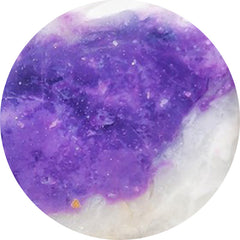
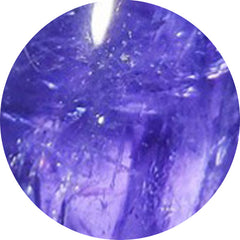
For hundreds of years, amethyst has been highly valued for its deep purple colors, unique crystal structures, and classic use in jewelry and gemstone collections. The violet color of this quartz is due to iron and natural irradiation. Amethyst has a Mohs hardness of 7 and is tough enough for all kinds of jewelry. It was once as precious as ruby and sapphire and is still popular for its beauty, affordability, and variety.

This guide also covers popular amethyst varieties, color variations, rarity, and quality effects on pricing. Understanding the different types of amethyst crystals can help you choose a gemstone for jewelry, collecting, gifting, or investing.
Want to shop for natural & authentic amethyst? discover high-quality amethyst varieties for every style and budget.
How Many Types of Amethyst Are There?
There is no official geological number for how many types of amethyst exist, but gem dealers and collectors generally recognize several major amethyst varieties based on the following:
-
Origin
-
Intensity of color
-
Crystal structure
-
Inclusions and patterns
-
Effects of heat treatment
-
Combinations of minerals
Some varieties are common and widely available, while others are considered rare collector stones.

Here are the most important and popular varieties of amethyst on the gem market today.
Types of Amethyst With Short Descriptions
1. Siberian Amethyst
A color that is well-known for its deep royal purple hue, with hints of red and blue coloring. One of the finest and

2. Uruguayan Amethyst
They are famous for their dark purple colors and very saturated crystal formations. Uruguayan amethyst is frequently more vibrant and intense than stones from other areas.

3. Brazilian Amethyst
One of the most common and affordable types of amethyst. Brazilian stones are typically lighter purple in color and have larger crystals, making them popular for geodes and jewelry.

most precious types of amethyst due to its rich saturation and brilliance.
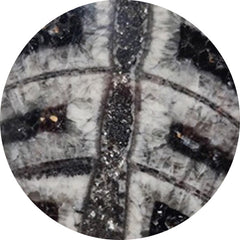
4. Chevron Amethyst
It has white quartz bands mixed with purple amethyst layers in a zigzag pattern. Popular for carvings, decorative items, and crystal collections.

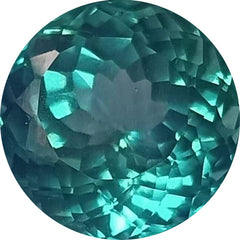
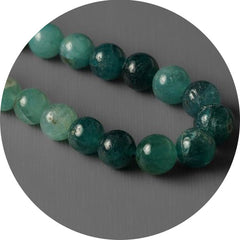
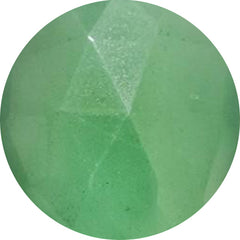
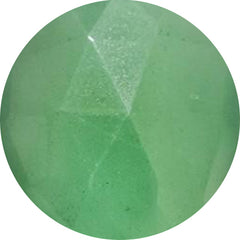
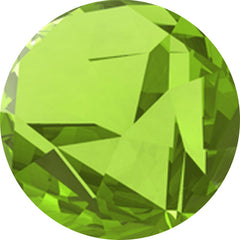
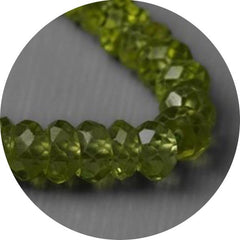
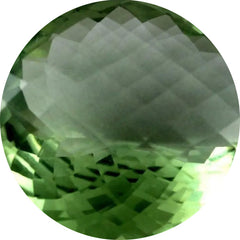
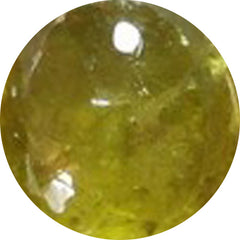
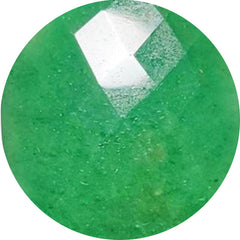
5. Green Amethyst (Prasiolite)
A soft green quartz variety is usually created by heat-treating amethyst. It is loved for its fresh, modern appearance and unique color compared to traditional purple amethyst.

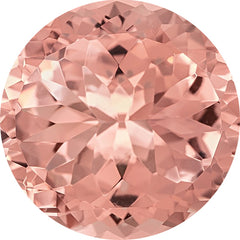
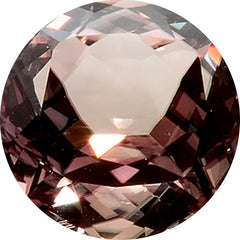
6. Rose de France Amethyst
A soft pinkish-purple with delicate pastel lavender amethyst undertones. Often used in elegant, feminine jewelry designs.

7. Ametrine
A rare gem that naturally fuses purple amethyst and golden citrine into one crystal. It is appreciated for its dramatic two-tone look.

8. Vera Cruz Amethyst
A Mexican variety known for light lavender shades, exceptional clarity, and long crystal points. Favored by mineral collectors.

9. Brandberg Amethyst
A rare Namibian amethyst often contains smoky quartz, phantoms, and clear quartz inclusions. Highly collectible because of its rarity and unusual formations.

|
Amethyst Type |
Main Color |
Origin |
Rarity |
Average Price (Per Carat) |
|
Siberian Amethyst |
Deep royal purple |
Russia and other regions |
Rare |
$30 – $100+ |
|
Uruguayan Amethyst |
Dark purple |
Uruguay |
Moderately rare |
$10 – $40 |
|
Brazilian Amethyst |
Light to medium purple |
Brazil |
Common |
$2 – $15 |
|
Chevron Amethyst |
Purple with white bands |
Various regions |
Common |
$1 – $10 |
|
Green Amethyst (Prasiolite) |
Pale green |
Heat-treated amethyst |
Rare naturally |
$5 – $30 |
|
Rose de France Amethyst |
Soft lavender |
Brazil and Africa |
Moderately common |
$5 – $20 |
|
Ametrine |
Purple and yellow mix |
Bolivia |
Rare |
$10 – $50 |
|
Vera Cruz Amethyst |
Pale lavender |
Mexico |
Rare |
$20 – $80 |
|
Brandberg Amethyst |
Purple with smoky inclusions |
Namibia |
Very rare |
$50 – $200+ |

Amethyst Color Variations Explained
One of the most fascinating things about amethyst is the wide range of colors it can display.
Common Amethyst Colors
Amethyst shades can include:
Pale lilac

Lavender

Violet

Deep royal purple

Reddish purple

Bluish purple

Green

Yellow-purple combinations

How Many Colors of Amethyst Are There?
Technically, amethyst itself belongs to the purple quartz family, but natural processes and treatments create many color variations.

Different colored amethyst stones can appear dramatically different depending on:
-
Iron content
-
Heat exposure
-
Geographic origin
-
Crystal thickness
-
Lighting conditions
The richest and most valuable stones usually display strong purple saturation with flashes of red or blue.
What Is the Rarest Amethyst?
The rarest amethyst depends on whether you are discussing color, origin, or crystal structure.
The most valuable and rare amethyst types generally include:
Brandberg amethyst
High-grade Siberian amethyst

Natural green amethyst

Fine ametrine with balanced color zoning

Museum-quality Uruguayan geodes

Rare stones command higher prices because of limited availability, superior clarity, or unusual formations.
Looking for authentic, high-quality amethyst gemstones? Explore our carefully curated selection of natural amethysts trusted by jewelry makers and gemstone collectors alike.
How Rare Is Amethyst?
Many buyers ask, “How rare is amethyst?”
Compared to diamonds, emeralds, or alexandrite, amethyst is relatively abundant. However, high-quality amethyst with deep saturation, excellent clarity, and large, clean sizes is much rarer.
Collector-grade amethyst crystals and rare regional varieties can still be highly valuable.
Factors affecting rarity include:
Color intensity

Clarity

Size

Origin

Crystal formation

Natural versus treated status

Discover Premium Gemstones at GemstonesForSale!
Final Thoughts
The beauty of amethyst lies in its incredible diversity. From deep royal purple Siberian gems to soft lavender Rose de France stones and rare Brandberg crystals, there are many different types of amethyst to explore.
Understanding the differences between amethyst varieties can help you choose a gemstone that matches your style, budget, and collection goals.
Whether you prefer dark Uruguayan crystals, affordable Brazilian geodes, or rare collector-grade specimens, amethyst offers one of the widest ranges of colors and formations in the gemstone world.
FAQ
What are the main types of amethyst?
The main amethyst types include Siberian amethyst, Brazilian amethyst, Uruguayan amethyst, Chevron amethyst, Rose de France amethyst, Vera Cruz amethyst, Brandberg amethyst, green amethyst, and ametrine.
What is the rarest amethyst?
Brandberg amethyst and high-grade Siberian amethyst are considered among the rarest and most collectible varieties.
How many types of amethyst are there?
There are many recognized amethyst varieties based on origin, color, crystal formation, and treatment. Collectors generally identify at least 8 to 10 major types.
What colors can amethyst be?
Amethyst colors range from pale lilac and lavender to deep violet and reddish purple. Some treated varieties can also appear green or display mixed yellow-purple tones.
Is Uruguay amethyst better than Brazil amethyst?
Uruguayan amethyst is usually darker and more saturated, while Brazilian amethyst tends to be lighter and more affordable. The better choice depends on personal preference.
Is green amethyst natural?
Natural green amethyst is very rare. Most green amethyst on the market is created through heat treatment.
How rare is amethyst?
Amethyst is relatively common overall, but high-quality stones with exceptional color, clarity, and large sizes are much rarer.
Which type of amethyst is best for jewelry?
Siberian, Uruguayan, and Rose de France amethysts are especially popular for jewelry because of their attractive color and durability.
Visited 1300 No. of Time(s), 132 Visit(s) Today




Leave a Comment