







































Table of Contents


 Share
Share
Labradorite is one of the most beautiful gemstones because it has glowing flashes of blue, green, and gold. But because it is so popular, copies have also become more common. Real labradorite has a natural flash that changes with depth and variation, while fake stones look like they are stuck, too perfect, or like glass.

A lot of stones can look the same at first glance. But the main difference is how they react to light and how natural they look. This guide will help you find real labradorite with confidence and stay away from common mistakes.
Discover the magic of labradorite; browse our full Labradorite Gemstone collection for making jewelry.
How to Identify Real Labradorite
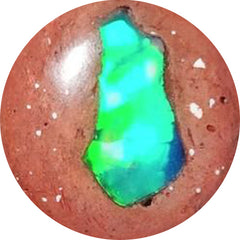
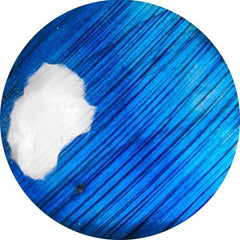
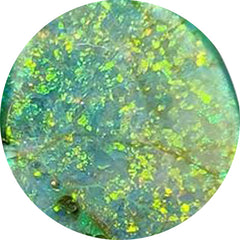
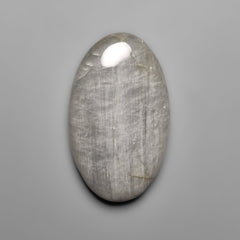
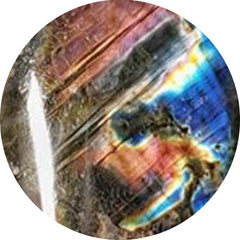
Real labradorite has a solid mineral feel, natural flash, and color patterns that aren't always the same. The flash, or labradorescence, is what makes real labradorite stand out. When you move the stone, you'll see colors moving across the surface in patches instead of all at once. It's this very movement that provides the stone its distinctive quality.

There are also small flaws and depth inside real labradorite. It feels cool to the touch and is heavier than glass or plastic. Always turn the stone under light and watch how the flash changes when you look at natural labradorite gemstones.
Want to know what separates premium stones from low-grade ones? Explore our guide on how to choose high quality labradorite.
What Does Fake Labradorite Look Like?
Fake labradorite doesn't have the same depth as real labradorite, looks too smooth, or has colors that aren't natural.
Artificial colors
Fake stones might have colors that are too bright or too flat. The color may not change naturally, and it may look painted or too even across the surface.

No flash
A flash that is missing or weak is a big sign of trouble. Moving even lower-quality real Labradorite will cause some color play.

Glass-like appearance
Artificial stones typically appear like colored glass; they may not have as many layers as would be found in a natural stone and would generally appear smoother and shinier than a natural stone would.

Difference between Real vs. Fake Labradorite Stone
The real difference exists between real and fake labradorite, with the principal distinction being that genuine labradorite changes colors depending on the light source and angle of viewing, while imitation does not.
|
Feature |
Real Labradorite |
Fake Labradorite |
|
Flash |
Strong, natural, angle-dependent |
None or artificial/static shine |
|
Color |
Uneven, layered variation |
Too uniform or overly bright |
|
Appearance |
Changes under light |
Looks the same from all angles |
|
Surface |
Slight imperfections, natural texture |
Very smooth, glass-like |
|
Structure |
Internal layers (labradorescence) |
Coating or colored glass |
|
Weight & Feel |
Heavier, cool to touch |
Lighter, may feel like glass/plastic |
What is natural vs. fake labradorite?
Labradorite is a natural stone that forms through geological processes, but people make fake stones that look like it. The flash in real labradorite comes from layers inside the stone that reflect light in different directions. This adds depth and movement to the work that can't be perfectly copied.

Fake stones can look like real ones by using glass, dyes, or coatings. They may look the same in pictures, but they don't change color as real stones do. Always pay attention to how the stone moves when you buy natural labradorite gemstones.
Why Is Lighting Important When Examining Labradorite?
The light that you use to illuminate your labradorite is significant for helping you demonstrate how authentic it is.
Labradorite has the ability to change the appearance of its flash based on the amount of light present. For example, the colors of the stone may appear brilliant and vivid under direct sunlight, while they may look more muted in lower light levels (though they will still be visible).

This test does not help most fake stones. In some types of light, they might look nice, but in normal light, they might look dull or flat. Always look at the stone from different angles and in different lights before making a choice.
Common Scams
Many scams are associated with misrepresentation of either a product's quality or by misrepresenting fake products as real ones.
Here are several common forms of scamming when selling gemstones:
- Selling glass or coated stones as labradorite
- Using edited photos to make the flash appear larger than it actually is
- Using a premium label to sell low-value stones
- Only showing one angle of a stone to hide its flaws

If you know what to look for when shopping, these tips can assist you in making better decisions.
Easy Ways to Tell if Labradorite is Real
You can quickly tell if Labradorite is real with some easy tests.
- Real labradorite shows a shifting flash when you turn it.
- Look in different kinds of light; the flash should still show up.
- Check for flaws: natural stones are rarely perfect.
- Feel the weight: real stones are heavier and cooler.
- Look closely and stay away from surfaces that are too shiny or look like plastic.

These tests are a fantastic way to get a sense of the authentic appearance of Labradorite gemstones before you buy one.
Where to Buy a Labradorite Gemstone?
Buy from sellers you can trust who give you clear pictures and accurate descriptions.
Online stores like GemstonesForSale, which sell natural Labradorite gemstones Online, have a wider selection, but you should look for clear pictures or videos. If you look at the stone from different angles, you can tell if it's real.

When you buy from a trusted seller, it's easier to compare options and stay away from fake or low-quality stones.
Final Thoughts
A real labradorite stone has a natural flash, depth, and small flaws that make it unique. The way a stone interacts with light is a clear indicator of its authenticity. With natural labradorite, your best bet is to rely on your own eyes and stick to reputable sources.
A real stone may not be perfect, but it will always stand out because of its natural shine.
FAQ
How can I tell if Labradorite is real?
Check for natural flash that changes with movement. Real labradorite always shows labradorescence.
Does fake labradorite exist?
Yes, there are a lot of fake ones. Usually, they are made of glass or other treated materials.
Is Labradorite synthetic?
It is very rare to find real synthetic labradorite. Most fake stones are copies, not lab-made.
Why doesn't my labradorite flash?
It might not be real, or it might be bad. Genuine labradorite ought to exhibit some flash.
Is it possible for real labradorite to look dull?
Yes, but it will still flash in the right light.
Visited 1537 No. of Time(s), 112 Visit(s) Today





Leave a Comment