

































Table of Contents


 Share
Share
For jewelry makers, B2B buyers and gemstone collectors amber has been a medium of fascination for centuries. With over many different types of amber available today Dominican Amber and Baltic Amber are the most sought after amber in trading markets.
Both Dominican and Baltic amber are fossilized tree resin but they display significant differences in their appearance, age, origin and value. This Dominican amber vs baltic amber comparison guide will help you discover and understand the key differences so B2B buyers and jewelry makers can choose the right variety of amber that fulfills their specific design goals and budget.

If you're exploring other gems and crystals for sale, understanding amber varieties can help you make more informed purchasing decisions.
Dominican vs Baltic Amber: Quick Comparison
When comparing Dominican Amber vs Baltic Amber, both reveal their distinct geological origins, visual characteristics and market value. The core differences lie in their color, clarity, age and price. Baltic amber is older and is widely available with affordable prices in B2B trading markets, while Dominican amber is younger, clearer than Baltic amber, and commands higher prices among amber stones for sale in trading markets—majorly the ones which reflect rare blue color with striking fluorescence.

|
Feature |
Baltic Amber |
Dominican Amber |
|
Origin |
Baltic Sea Region (Northern Europe) |
Dominican Republic (Caribbean) |
|
Age |
30 to 50 Million Years Old |
15 to 20 Million Years Old |
|
Common Colors |
Honey, cognac, butterscotch, yellow |
Clear yellow, warm honey, rare blue/green |
|
Clarity |
Often cloudy or milky (succinic acid) |
Highly transparent |
|
Rare Varieties |
White amber |
Blue amber |
|
Hardness (Mohs) |
2.0 – 2.5 |
2.0 – 2.5 |
|
Price Point |
More affordable (e.g., necklaces $5–50) |
Premium, especially blue ($100–500+/carat) |
Dominican Amber vs. Baltic Amber: What's the Difference
When comparing Dominican vs baltic amber the most noticeable difference is its appearance. Both the amber show a distinct unique visual profile.
Baltic Amber:
-
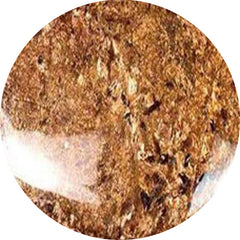
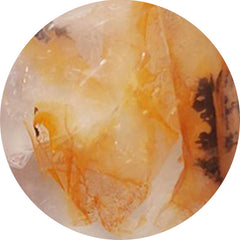
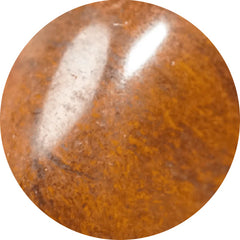
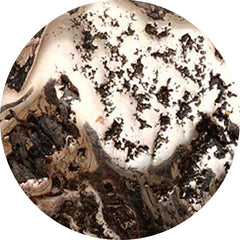
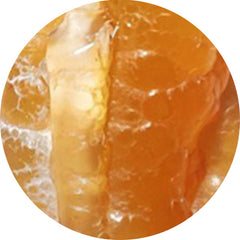
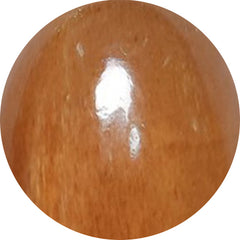
Displays warm earthy tones that can range from creamy butterscotch and milky white to rich honey and deep cognac reds.
-
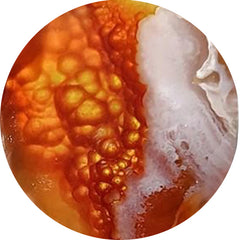
Many specimens show cloudy appearance internally due to millions of gas bubbles trapped inside the resin.
-
Baltic Amber is one of the most traditional standards for amber jewelry making.

Dominican Amber:
-
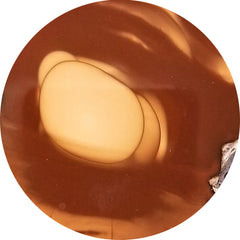
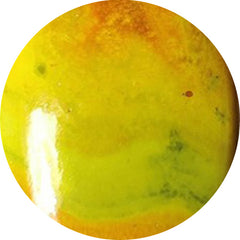
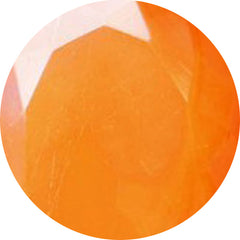
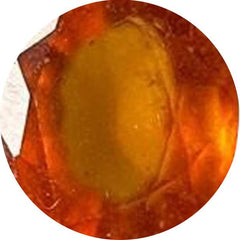
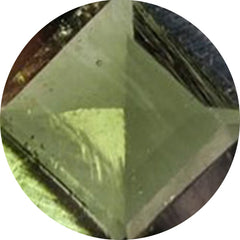
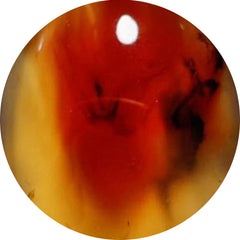
Displays excellent transparency and color ranges from pale yellow and golden orange to reddish tones.
-
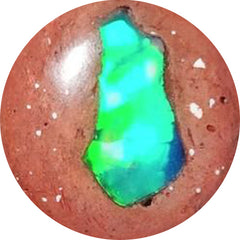
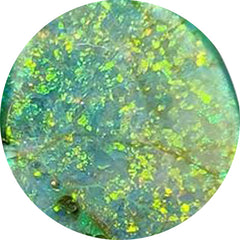
The rare blue or green fluorescence feature known to be blue amber dominican exhibits intense spectacular fluorescence under indoor artificial light, blue amber appears as regular yellow amber. The blue fluorescence only shows under UV light or direct sunlight.This rare and standout feature of fluorescence makes distinctive pieces of Dominican amber one of the most expensive amber worldwide.

Baltic amber is ideal for traditional aesthetic jewelry making while Dominican amber often stands out for custom high end pieces due to its rare fluorescence phenomenon.
Age and Origin: Where Each Comes From
Understanding the prehistoric environments and origins of baltic vs dominican amber helps explain their distinct and unique characteristics.
Baltic Amber (30 to 50 Million Years Old):
The origin of Baltic amber is traced back to the Baltic sea region (Poland, Lithuania, Russia/Kaliningrad). The resin that originated from ancient and extinct coniferous trees (Pinites succinifera) found in prehistoric forests that existed approximately 30 - 50 millions years ago. Baltic amber contains 3-8% succinic acid — anything above 3% confirms genuine Baltic origin and is called succinite

Dominican Amber (15 to 20 Million Years Old):
With its origin in mountainous regions of Dominican republic in the Caribbean, Dominican Amber is younger as it is formed more recently that is 15 to 20 million years ago, during the Miocene epoch it was found in a resin producing tropical tree Hymenaea protera, a relative of modern Hymenaea trees (West Indian locust).

Price Comparison: Which Costs More:
Evaluation of baltic vs dominican amber price depends highly on factors like mining difficulty and scarcity while amber features like rarity, clarity, color and origin remains an influencing factor that determines market value.
Baltic amber is generally priced lower per carat due to its availability in trading B2B markets, while dominican amber commands higher prices due to its rare phenomenon of fluorescence.

Refer to the table below for the most recent baltic vs dominican amber price per carat trends in B2B markets and jewelry making.
|
Amber Type |
Typical Price Range (Per Carat) |
Availability |
Value Drivers |
|
Baltic Amber (Commercial Grade) |
$1–$10 |
High |
Color consistency, size, craftsmanship |
|
Baltic Amber (Premium Grade) |
$10–$30+ |
Moderate |
Rare colors, clarity, inclusions |
|
Dominican Amber (Standard) |
$10–$50 |
Moderate |
Transparency, color, fossil inclusions |
|
Dominican Blue Amber |
$50–$100+ |
Rare |
Blue fluorescence, clarity, rarity |
|
Museum-Quality Inclusion Specimens |
$100+ to several hundred |
Very Rare |
Exceptional fossils, preservation quality |

Baltic amber is considered to be a standard in B2B trading markets and jewelry manufacturing as it is mined in vast quantities and offers a more economical option for mass commercial production, B2B buying and affordable gems and crystal for sale while dominican amber commands higher trading prices and is ideal for top tier luxury or premium grade designs.
How Hard and Durable Is Amber for Everyday Jewelry Use?
Amber is known for its striking beauty and visual appeal however it is softer than many other gemstones. With a hardness of 2-2.5 on Mohs hardness scale it is as soft as a human fingernail.

Amber can scratch easily and can also degrade under excessive heat, dust or when in contact with alcohol or harsh chemical solutions.
Amber when applied in jewelry the recommended settings are bezel protective settings and is a perfect gemstone for earrings, pendants and rings that are worn occasionally.

Amber requires careful handling and excessive care as it is highly sensitive to extreme heat, harsh solvents, dust, perfumes and rough surfaces.
Proper care is crucial for both Baltic vs amber as both of the amber have the same durability irrespective of their origin or characteristics.
Inclusions and Fossils: Which Has Better Specimens?
Fossil inclusions is one of the most crucial aspects that excites gemstones enthusiasts and collectors. And if the goal is to find the perfect fossil inclusion the clarity of amber is of paramount importance as it contains inclusions like plant matter, insects and debris opening doors to ancient ecosystems.
An abundance of fossilized flora and fauna are found in baltic amber, with over 1,000 species documented. Baltic amber is known to be a scientific and collector staple as a fossil bearing specimen. Baltic amber displays natural cloudiness which makes the visibility of inclusions difficult and requires a proper and expert cutting and clarification treatment.
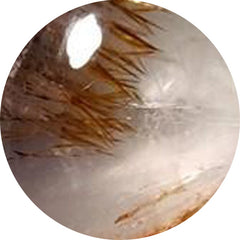
Dominican amber displays perfect museum grade inclusions due to its water clear matrix making inclusions like ants or flies etc strikingly visible. Dominican amber offers a higher rate of well preserved inclusions and reveals extraordinary details which is well suited for collectors and gemstone enthusiasts.

Which Should You Choose for Your Jewelry?
The choice between Baltic amber and Dominican amber comes down to B2B buyers and jewelry makers design goals, customer base and pricing.
Choose baltic amber if:
-
Designing a traditional or bohemian jewelry piece.
-
Vintage or history inspired jewelry design.
-
If seeking affordable amber for production jewelry lots and B2B buying.
-
For everyday commercial line jewelry making or bulk manufacturing.
-
Want classic heritage appeal in your designs.

Choose Dominican amber if:
-
Looking for better clarity and transparency.
-
Luxury or collector grade jewelry designs.
-
Rare blue amber custom statement pieces.

Match your style and budget both with Gemstones for Sale. Discover the world of baltic and dominican amber with us and elevate your customer experience in your next design.
Ready to buy your first citrine? Our citrine buying guide walks you through everything you need to know before making a purchase.
Ready to craft? Explore Premium Gemstones For Sale now! No minimum order quantity required.
FAQ: Dominican vs Baltic Amber
Is one type of amber more "authentic" than the other?
No. Both are completely authentic, natural, fossilized tree resins. They simply originate from different tree families, geographic regions, and geological epochs.
Can amber from either region be faked?
Yes. Plastic, glass, and younger copals (unfossilized resin) are frequently sold as genuine material. Always consult an Amber Buying Guide, check for natural inclusions, or use trusted suppliers when purchasing gems.
Which holds up better with daily wear?
They have identical physical durability (Mohs 2–2.5). However, Baltic amber hides surface micro-scratches slightly better due to its common natural cloudiness, whereas Dominican amber's high clarity can make surface abrasions more noticeable over time.
Visited 800 No. of Time(s), 56 Visit(s) Today





Leave a Comment