










































Table of Contents
Citrine is one of the most popular yellow to orange gemstones used in jewelry. It has a warm color range, is usually affordable, and is available in many shapes, sizes, and cutting styles.
For jewelry makers, wire jewelry artisans, gem collectors, and resellers, the main things to check are color, clarity, cut, size, durability, and treatment disclosure. This citrine buying guide explains those buying details in practical terms.

What to Look for When Buying Citrine
When deciding how to buy citrine, start with face-up color. Look for a pleasing yellow-orange, golden-orange, honey, amber, or reddish-orange tone. Then check that the stone is eye-clean, well cut, free from obvious chips or surface-reaching fractures, and correctly described as natural, treated, synthetic, or imitation.

For jewelry use, also think about the setting. Calibrated faceted stones are easier to fit into standard mountings. Crystal points, cabochons, briolettes, and freeforms often work better for wire-wrapped pieces and one-of-a-kind designs.
Color: The #1 Factor in Citrine Quality
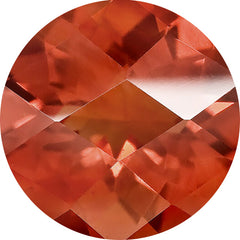
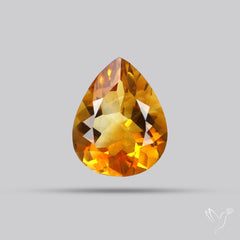
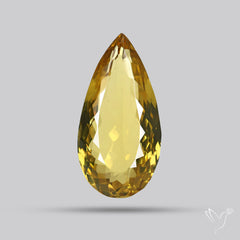
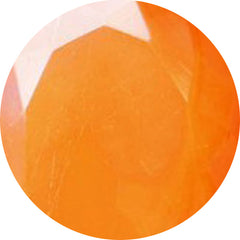
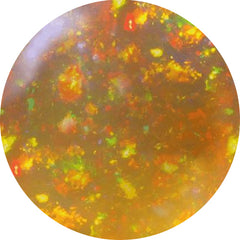
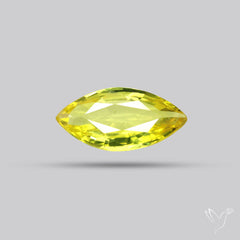
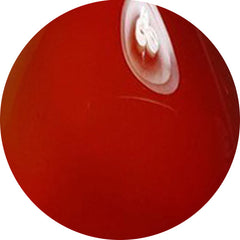
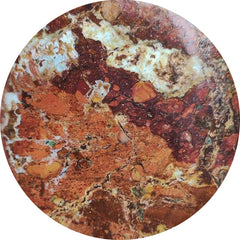
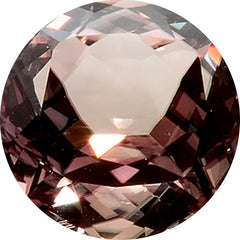
Color is usually the easiest place to understand what to look for when buying citrine. The most desirable stones for jewelry usually have a warm golden-orange to reddish-orange color that looks bright, not too dark, smoky, greenish, muddy, or dull. Madeira-style citrine refers to richer deep orange to reddish-orange stones, while pale yellow citrine can still work well for delicate, minimalist, and more affordable jewelry.

|
Citrine Color Type |
What to Look For |
|
Pale yellow |
Soft, light, and good for delicate or affordable jewelry |
|
Golden-orange |
Warm, bright, and commonly preferred for fine jewelry |
|
Madeira-style |
Deep orange to reddish-orange, rich but not muddy or overly dark |

Natural vs Heated Citrine: How to Tell the Difference
Understanding natural vs heated citrine matters because it affects rarity, price, and how the stone should be described to customers. Natural citrine is uncommon. Most citrine sold today is heat-treated quartz, often heated amethyst, and sometimes smoky quartz.

|
What to check |
Natural citrine |
Heat-treated citrine |
|
Color |
Often pale yellow, honey, smoky-yellow, or brownish orange |
Often stronger yellow-orange, orange, or reddish-orange |
|
Rarity |
Less common |
Common in the market |
|
Typical source |
Naturally colored quartz |
Usually amethyst, sometimes smoky quartz |
|
Crystal appearance |
Softer color is common |
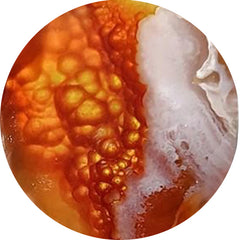
Heated amethyst clusters may show intense orange tips and a pale base |
|
Faceted stones |
Hard to separate by eye |
Also hard to confirm by eye |
|
Best verification |
Seller disclosure or lab documentation |
Seller disclosure; lab testing for higher-value claims |

Visual clues can help, but they are not proof. Strong orange zoning or a pale base may suggest heated amethyst in crystal clusters, but faceted stones are harder to judge by sight alone. For stones sold as natural, unheated, or origin-specific, ask for clear treatment disclosure or lab documentation.
If your work uses crystal points, always compare shape, color, termination, and surface condition when browsing citrine crystals for sale.
Clarity: What Inclusions to Accept and Avoid
Clarity expectations for faceted citrine are high because eye-clean material is widely available.
-
For rings, earrings, pendants, and resale stones, avoid gems with obvious dark inclusions, cloudy areas, large feathers, chips, or surface-reaching breaks.

-
Small pinpoints or faint internal feathers may be acceptable if they do not distract face-up.

-
In crystals, beads, cabochons, and freeforms, inclusions can sometimes add character, especially for handmade or organic-style designs.

-
Always check the girdle, culet, drill holes, and pointed ends. Damage in those areas can make a stone harder to set and more likely to chip during wear.

For a broader overview of the stone itself, including mineral details and meaning, see our guide to Citrine 101.
Cut and Shape: Best Cuts for Citrine in Jewelry
The best citrine for jewelry making depends on the design. Rounds, ovals, cushions, pears, emerald cuts, and trillions are useful for faceted jewelry. Cabochons, briolettes, carvings, beads, crystal points, and freeforms are often better for wire wrapping and statement pieces.

For faceted stones, look for brightness across the crown. Avoid stones with a large window, where the center looks see-through or flat. A slightly deeper cut can strengthen color, but the stone should still look lively.

For standard settings, calibrated sizes are easiest. For custom bezels and wire work, unusual shapes can be a feature rather than a problem.
Visit us: Explore our Amber Buying Guide and shop with confidence.
Carat Size and Pricing Tiers
Citrine is often available in larger sizes without the steep per-carat price jumps seen in rarer gems such as ruby or sapphire. Still, price depends on color, clarity, cut, treatment, and whether natural or origin-specific claims are being made.

Small citrines under two carats are useful for earrings, accents, stacking rings, and affordable designs. Medium stones around three to eight carats work well for pendants, cocktail rings, and statement earrings. Larger stones can be impressive, but deep color should be judged stone by stone, not assumed from size.
When comparing parcels, calculate the gemstones cost per carat, but do not buy on price alone. A cheap parcel may not be a good buy if the stones are chipped, poorly matched, badly windowed, or unclearly described.
Origin and Source: Where Quality Citrine Comes From
Origin can be interesting, especially for collectors, but treatment disclosure is usually more important. Brazil is one of the major commercial sources of quartz material used in the citrine trade.
Madagascar-origin citrine also appears in the trade, including smoky-yellow material. But origin and treatment claims should be checked for higher-value stones.

When browsing gems for sale online, compare color, clarity, treatment notes, return policies, and seller transparency. For broader buying habits across stone types, see our gemstone buying guide.
Red Flags When Buying Citrine
Be careful with very deep reddish-orange stones sold as natural and unheated at unusually low prices. Low pricing does not prove treatment or synthetic origin, but it should prompt questions.
Avoid vague listings that say only “real citrine” or “genuine crystal” without mentioning treatment. Glass imitations may show round bubbles or a molded look under magnification. Synthetic quartz can be harder to identify and may need gemological testing.

Final Words
A good citrine purchase starts with an honest description and ends with a stone that suits your work. Check the color first, then clarity, cut, size, and treatment.
The safest approach is simple. Buy the citrine that looks good face-up, suits the design, and is described clearly by the seller.

At Gemstones for Sale, you can buy loose citrine, crystals, and jewelry-ready stones with clear photos, practical descriptions, and no-MOQ wholesale pricing. With almost three decades in the jewelry industry, we offer no-hassle delivery to the US, Canada, the UK, Europe, and worldwide.
We are based in Jaipur, one of the world's long-established gemstone cutting and trading centers. So, you get access to well-priced stones closer to the source, without having to commit to large parcel quantities.
FAQ: Buying Citrine
Is heat-treated citrine a real gemstone?
Yes. Heat-treated citrine is genuine quartz. The important point is disclosure. It should not be described as natural, unheated citrine unless that claim can be supported.
What is the best citrine color for jewelry?
Most buyers prefer saturated yellow-orange, golden-orange, honey-orange, or reddish-orange citrine with minimal gray, green, or muddy brown tones. The right color also depends on the design. Pale yellow citrine can look beautiful in soft, delicate pieces, while deeper orange stones work well in statement jewelry.
What should collectors look for in citrine?
Collectors often look for natural color, attractive crystal form, good transparency, unusual locality, or reliable documentation. Natural unheated citrine is rarer than heat-treated material, so claims should be checked carefully.