






























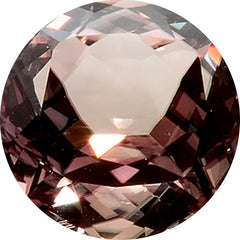




Table of Contents


 Share
Share
Tourmaline is one of the most intriguing and varied gems on the planet. Tourmaline is a favorite among collectors, jewelers, and crystal lovers because it comes in many different colors, lasts a long time, and has a unique crystal structure. While most gemstones are limited to a single color, tourmaline is available in nearly every hue of the rainbow. Some of the colors on this list are bright pinks and greens, rare neon blues, and watermelon tourmaline, which is a type of stone that has many colors. This beautiful gemstone can be worn every day or kept in collections.

This guide covers tourmaline's origin, types, colors, properties, benefits, cost, and care. This full guide will explain why tourmaline is so valuable, whether you're buying it for the first time or because you love gems.
What Is a Tourmaline?
Tourmaline is a group of minerals made of boron and silicon that naturally form long, striated crystals. It has a wide range of chemical compositions, which is why it can show one of the widest ranges of colors of any gemstone. Watermelon tourmaline and other types of tourmaline stand out even more because some of them have more than one color.

Tourmaline is not a single mineral; it is one of a group of minerals that are very different from each other. It can be many colors and has unique properties because it has many different structures and chemical properties. This makes it a great stone for both jewelry making and science.
Is Tourmaline a Mineral?
Yes, tourmaline is a real mineral because it has a specific crystal structure and forms naturally in the Earth. Tourmaline's chemical complexity arises from the wide variety of elements present in its chemical composition. Boron, aluminum, iron, magnesium, lithium, and sodium are some examples of these elements. It is the trace minerals found in tourmaline that allow it to exhibit the many colors for which it is known.

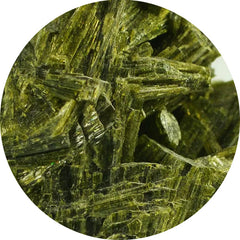
When tourmaline crystals are found in their natural state, they are very easy to recognize, as they are usually long, three-sided prisms with natural markings. Due to its mineral composition, the tourmaline crystal is strong and stable enough to be used in the creation of jewelry. Each tourmaline crystal has its own special features that make it beautiful and valuable in jewelry.
To keep your tourmaline energetically strong and physically vibrant, explore the How To Clean and Care For Tourmaline Stones & Jewelry: Complete Step-by-Step Guide for proper cleansing and maintenance techniques.
Tourmaline Gemstone Meaning
Tourmaline has many symbolic meanings. Generally, the stone is said to represent balance, security, and emotional stability. The color of a piece of tourmaline crystal will often alter its symbolic meaning; however, tourmaline is considered to promote stability, self-expression, and personal growth. It is an excellent gemstone to use when attempting to improve one's mental clarity as well as creativity.
Tourmaline is also a stone that many people use to improve their mental clarity and creativity. Tourmaline is often thought to absorb negative energy and help people feel calm and emotionally strong in crystal healing and metaphysical traditions.
Colors of Tourmaline
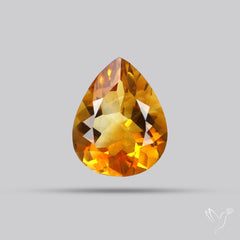
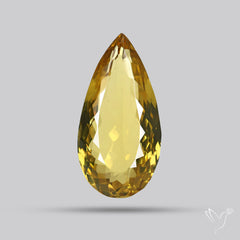
The remarkable color variety of tourmaline is a source of great appreciation. It may show up in:
- Black
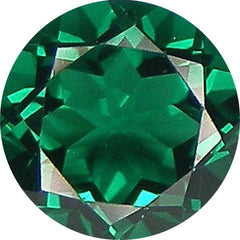
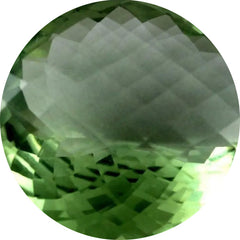
- Green
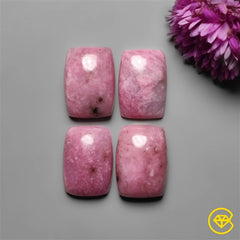
- Pink
- Red
- Blue
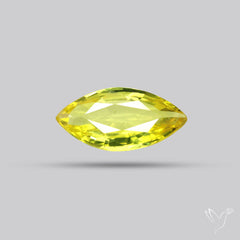
- Yellow
- Brown
- Violet
- Colorless
- Combinations of two or three colors

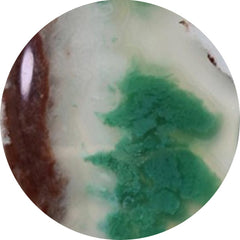
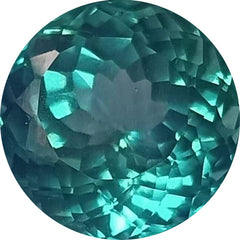
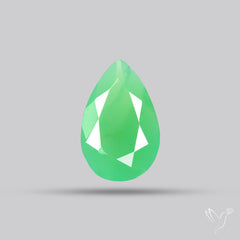
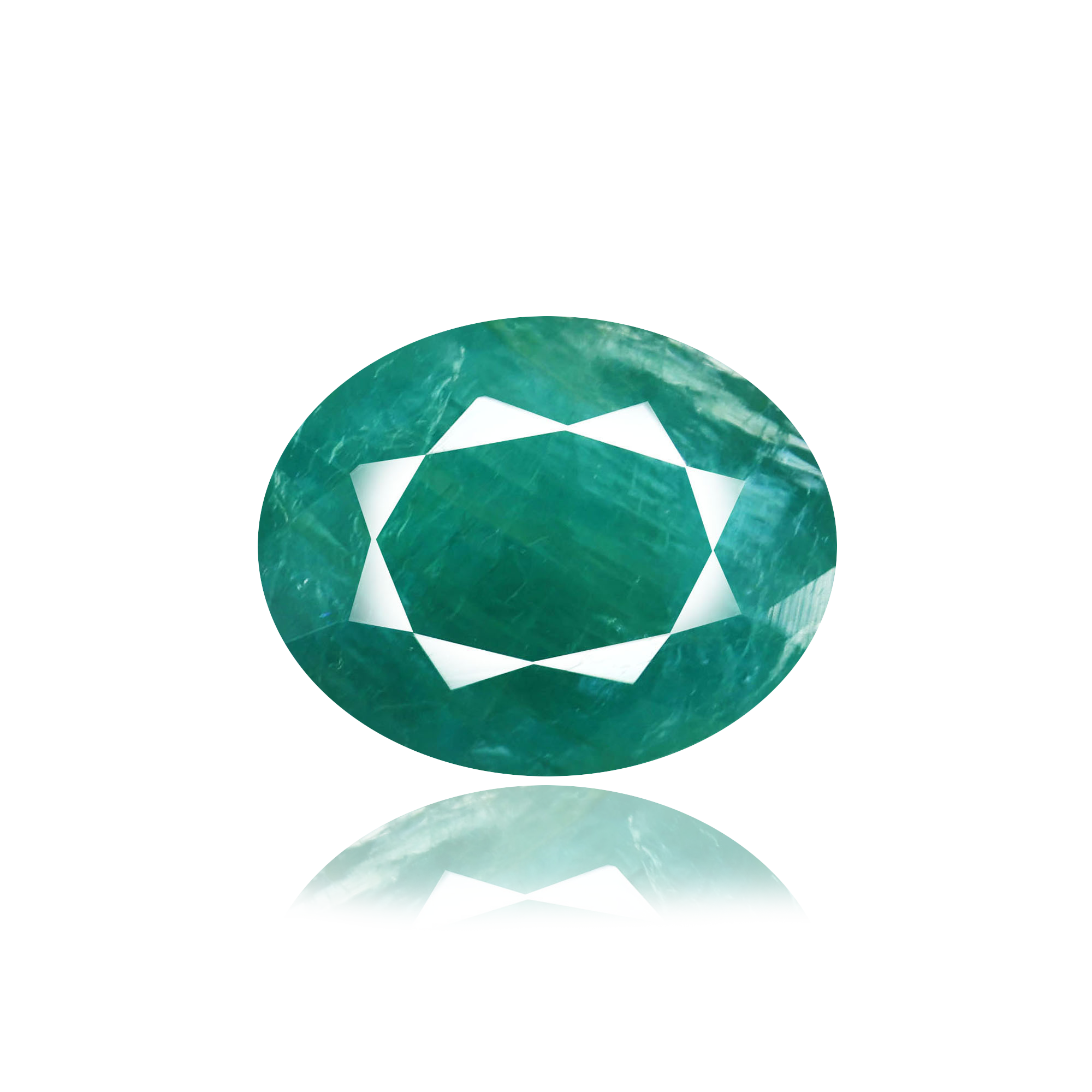
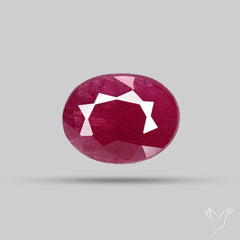
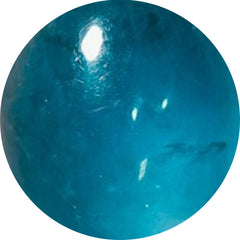
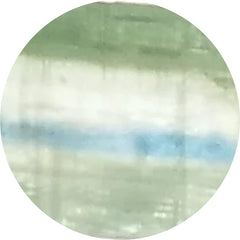
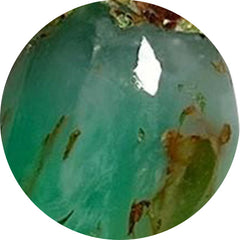
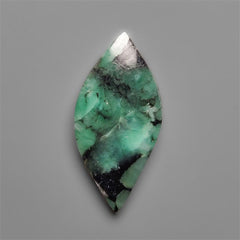
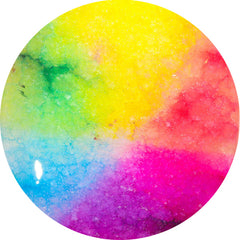
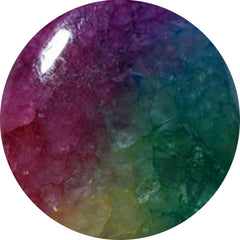
The watermelon tourmaline is a very popular type. It has a pink center and a green outer layer. Paraíba tourmaline is a rare type of stone that has neon blue-green colors. It is one of the most valuable and collectible stones in the world.

Iron, manganese, chromium, copper, and vanadium are some of the trace elements that give tourmaline its different colors. This chemical variety makes sure that each tourmaline crystal is different, even among stones of the same color family.
Want to learn more about October’s birthstones? Check out our guide to October birthstones (opal & tourmaline) and uncover the full story.
Tourmaline Color Chart
Here's a quick look at some common tourmaline colors and what they mean:
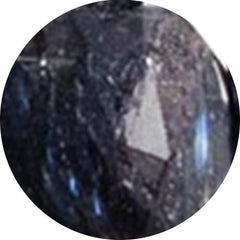
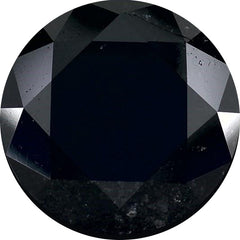
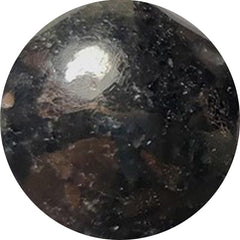
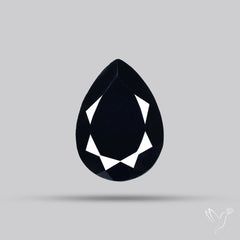
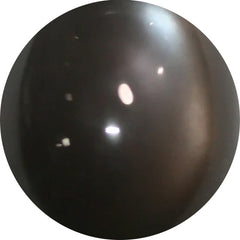
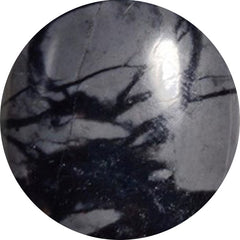
- Black (Schorl): Protecting, grounding, and taking in bad energy
- Green: a lot of growth, new life, health, and more
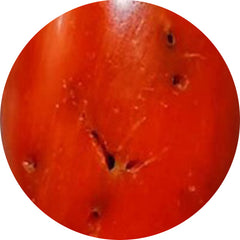
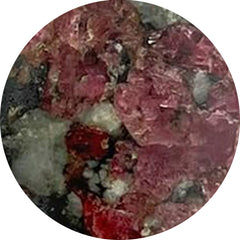
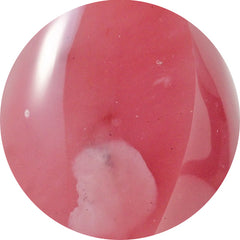
- Pink/Red (Rubellite): Love, care, and emotional healing
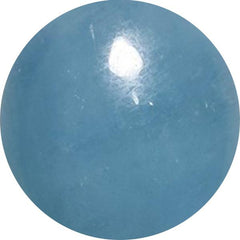
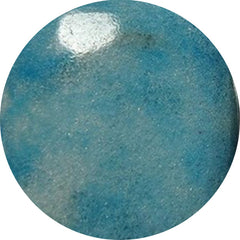
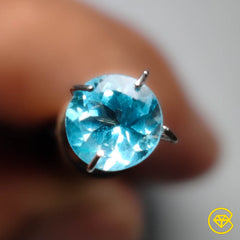
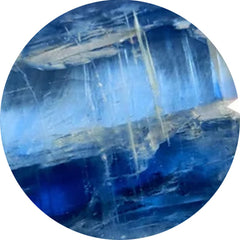
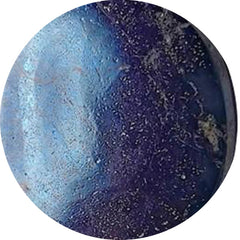
- Blue (Indicolite): peace, talking to people, and trusting your gut
- Watermelon: Energy and emotional balance that are good for your heart
- Paraíba: Very rare, very bright blue-green, and very pricey

The color intensity, saturation, and clarity of a piece of tourmaline are the most important things that affect how much it is worth. Stones that are clear and bright usually cost more.
History of Tourmaline
The Sinhalese word "toramalli," which means "mixed gemstones," is where the name "tourmaline" comes from. This is because tourmaline comes in a lot of different colors. Tourmaline was first brought to Europe by traders from the past. It became very popular in the 18th century.
People in China really liked the pink tourmaline. They often carved it into beautiful jewelry and decorative items for the imperial court. Tourmaline became popular in Europe and North America during the Victorian era because it came in so many beautiful colors and could be used in so many ways.

Tourmaline has been prized throughout history for its beauty and its unique physical properties, such as its piezoelectric behavior, which means it can create a small electrical charge when it is under pressure or heat. This strange scientific fact made it even more interesting to collectors and researchers.
Tourmaline Origin | Where Tourmaline Is Found
There are many places around the world where tourmaline is mined. Here are some important sources:
- Brazil: Makes tourmalines in bright pink, green, and other colors
- Africa: Mozambique, Nigeria, Madagascar
- Pakistan and Afghanistan are famous for their blue and pink types.
- Sri Lanka: High-quality tourmaline stones in a classic style
- United States: California and Maine, producing various colors

Every area often makes stones that are different colors. For example, African tourmalines often have unique colors and clarity, while Brazilian tourmalines are highly sought after for their bright, saturated colors.
Tourmaline Properties
The physical characteristics of tourmaline render it resilient and appropriate for a wide range of jewelry applications.
Some important properties are
- 7–7.5 on the Mohs scale for hardness

- The crystal system is trigonal.

- The luster is glassy.

- Transparency: From opaque to transparent

- Uneven to conchoidal fracture

These qualities make a tourmaline strong enough to wear every day and keep its bright beauty for a long time.
Tourmaline Mineral Properties
Tourmaline is a boron silicate mineral with remarkable characteristics. Its elongated prismatic crystals often exhibit natural striations and color zoning. Some tourmalines are piezoelectric, meaning they generate a small electrical charge when heated or compressed, a property that fascinated early scientists and adds to the gemstone’s mystique.
Looking to create stunning tourmaline pieces? Discover perfect gemstone and metal combinations in Best Stones and Metals to Pair with Tourmaline in Jewelry Making.
Different Types of Tourmaline
Some common types of tourmaline are
- Black, protective, and the most common type of schorl
- Elbaite comes in pink, green, blue, and watermelon colors.
- Deep pink to red, rubellite is highly valued.
- Indicolite Blue colors are known for their bright intensity.
- Paraíba are Rare neon blue-green and very valuable

People really want watermelon tourmaline and other stones with more than one color for their jewelry and crystal collections.
Benefits of Tourmaline
Many people believe that tourmaline has spiritual and emotional benefits. People think that different colors have different effects:
- Black: Safety and grounding

- Green: Growth, health, and plenty

- Pink: Love and healing of the heart

- Blue: Clear, calm, and able to talk to others

- Watermelon: Balance and emotional harmony in the heart

People often use tourmaline in meditation, crystal healing, or as jewelry to get these good effects.
Tourmaline Price Chart
The price of tourmaline depends on its color, clarity, size, and how rare it is:

In the market, prices go up when colors are rare, very clear, and very saturated. People really want tourmalines that are of many colors and very clear.
Cleaning and Caring for Tourmaline
Tourmaline is tough, but if you take care of it, it will stay beautiful:
- Use a soft brush and warm water to clean.
- Wash well and dry with a soft cloth.
- To keep scratches away, keep them elsewhere from harder gemstones.
- Don't stay in the heat or direct sunlight for too long, as this can fade some colors.

Taking care of your tourmaline jewelry and crystals on a regular basis will keep them bright for years.
Final Thoughts
Tourmaline is a beautiful and one-of-a-kind stone. Because it has a long history, a lot of colors, unique mineral properties, and ties to the spiritual world, jewelers, collectors, and crystal lovers all love it. Tourmaline comes in a lot of different colors, such as classic green, deep pink rubellite, cool blue indicolite, and fun watermelon. It's both pretty and important.
FAQs
Is tourmaline hard to find?
Common tourmaline colors include black and green, but rare colors like the valuable Paraíba tourmaline are scarce.
What color of tourmaline is the most valuable?
Most of the time, neon blue-green Paraíba and deep red rubellite are the most expensive.
Can you wear a tourmaline stone every day?
Yes, tourmaline is suitable for daily jewelry if you care for it; it's 7 to 7.5 on the hardness scale.
Does tourmaline have spiritual properties?
People use tourmaline for protection, grounding, emotional balance, and to boost their creativity. Certain energies are linked to certain colors.
How do you clean the tourmaline the best way?
Use a soft brush, lukewarm water, and mild soap, then rinse and dry. Stay away from direct sunlight, heat, and harsh chemicals.
Visited 980 No. of Time(s), 87 Visit(s) Today








Leave a Comment