





Natural Turquoise Stones
Turquoise is a valuable blue-green, opaque phosphate mineral. Gemstones for Sale processes premium-quality rough material directly at our Jaipur facility. We supply jewelry manufacturers, lapidary artists, and independent designers with premium natural turquoise for sale.
Turquoise is a globally essential pillar of jewelry design, prized for its sky-blue and earthy green palette. And today's best rough comes from a handful of active deposits around the world. By cutting rough at the source, we bypass traditional broker markups to provide turquoise stones for jewelry businesses at true wholesale value.


-
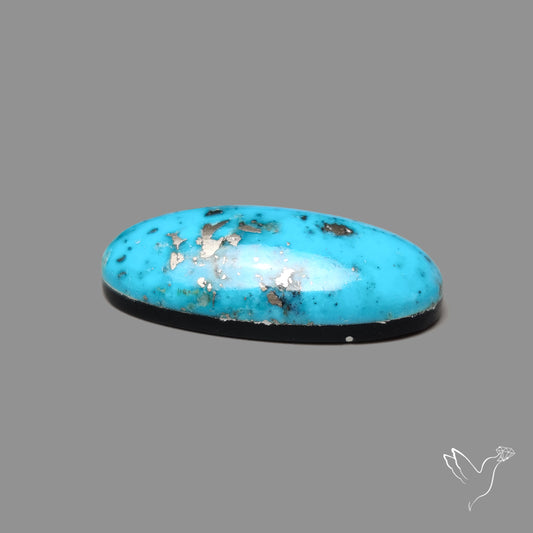
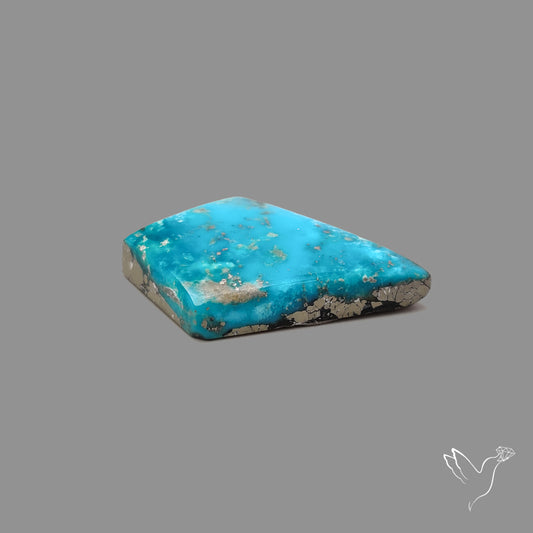
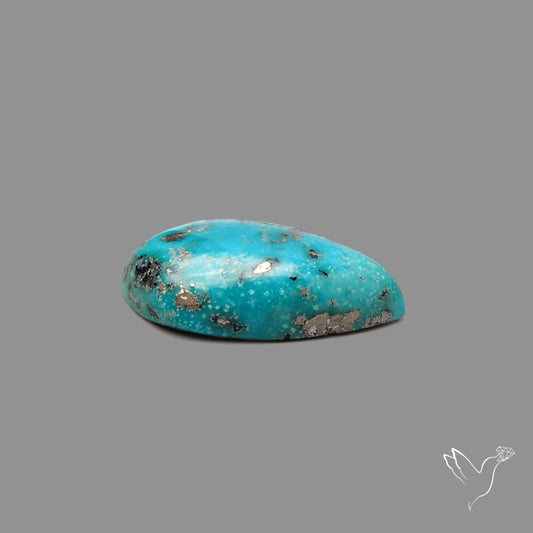
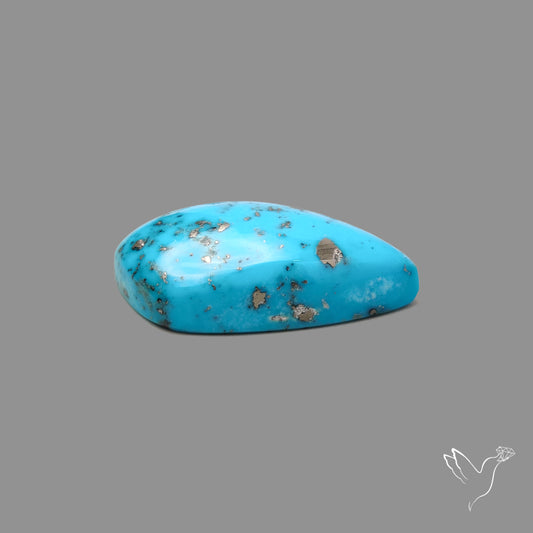
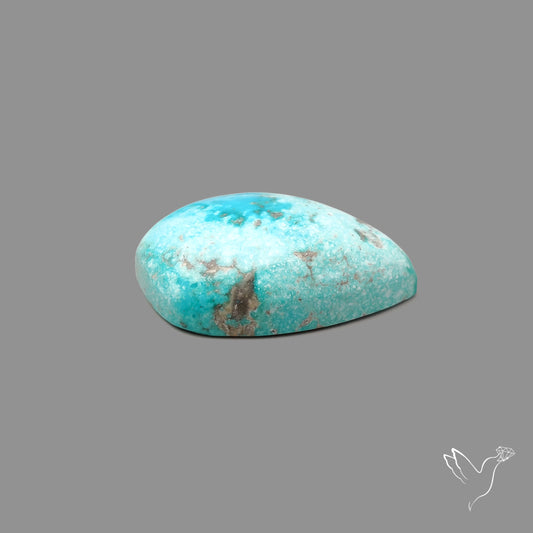
Morenci Turquoise With Pyrite Inclusions
SKU: N51337SIZE: 27X15X7 mmORIGIN: MorenciRegular price $30.00 USDRegular priceUnit price per -
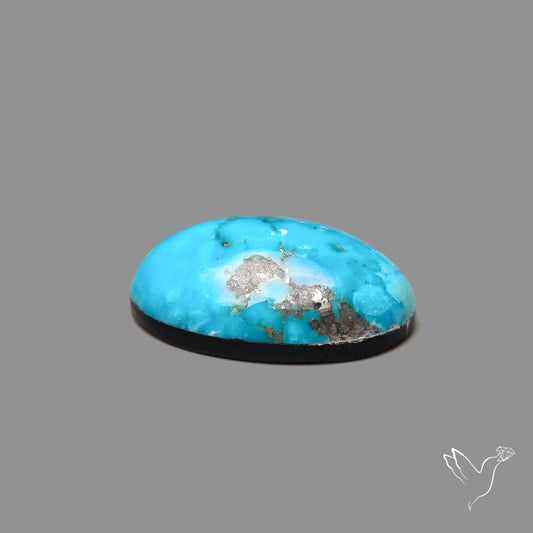
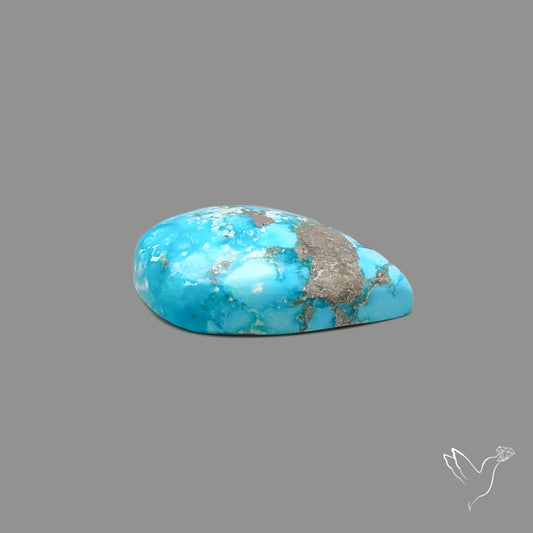
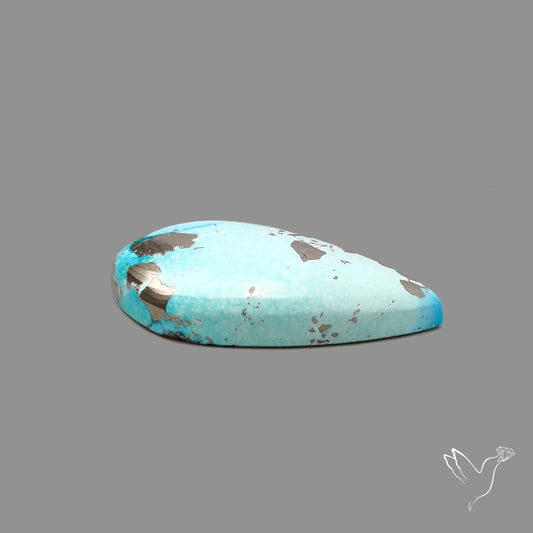
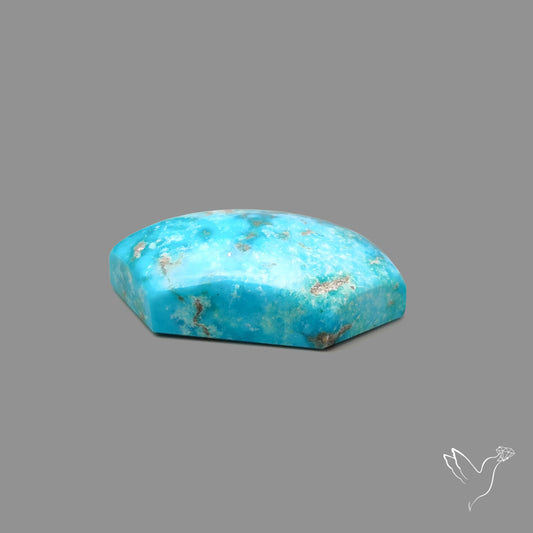
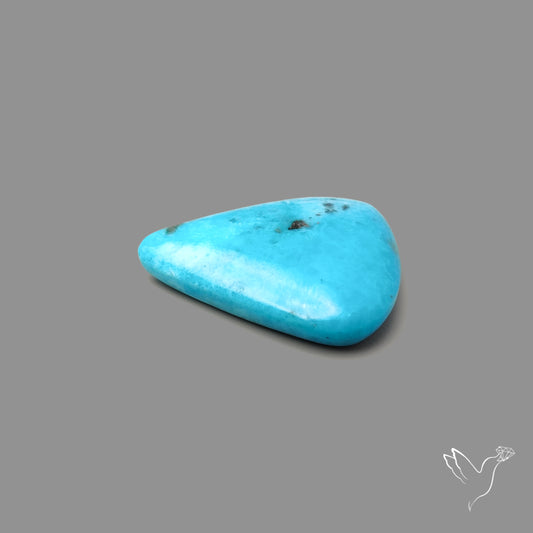
Morenci Turquoise With Pyrite Inclusions
SKU: N51339SIZE: 20X14X7 mmORIGIN: MorenciRegular price $17.00 USDRegular priceUnit price per -
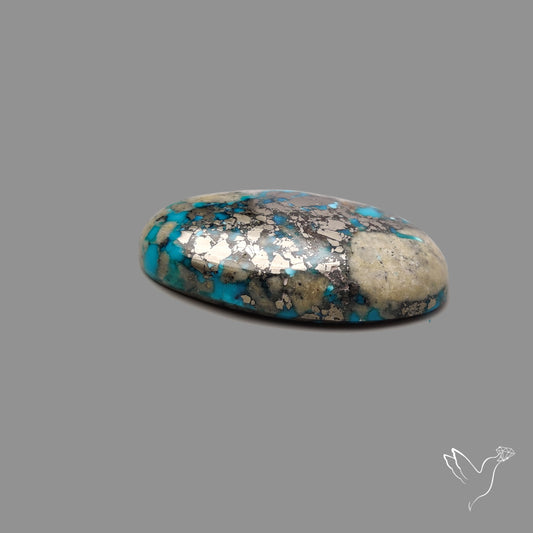
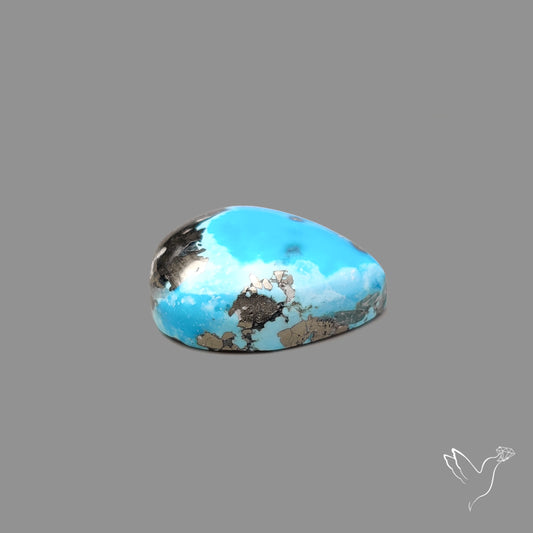
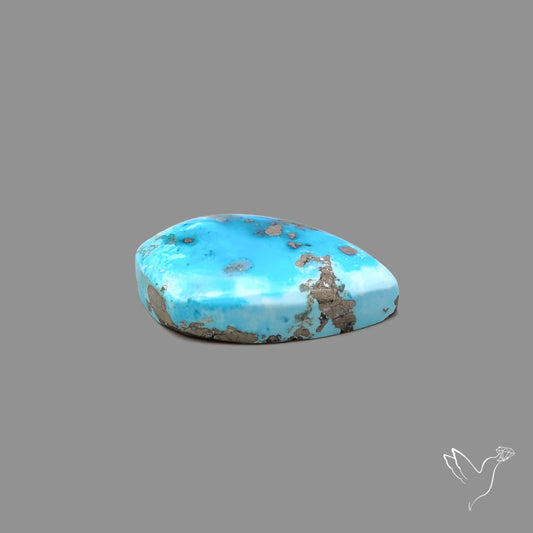
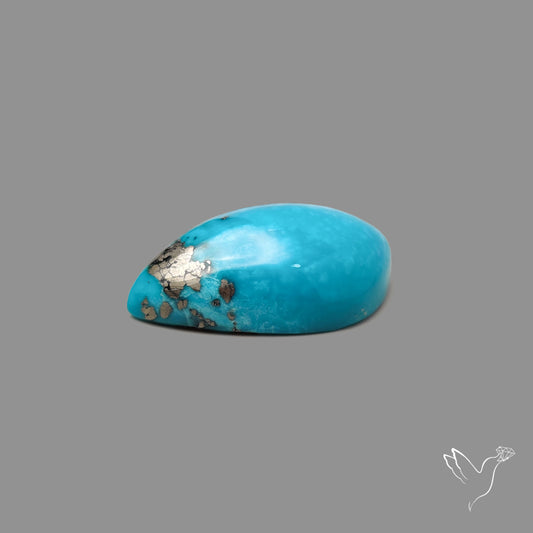
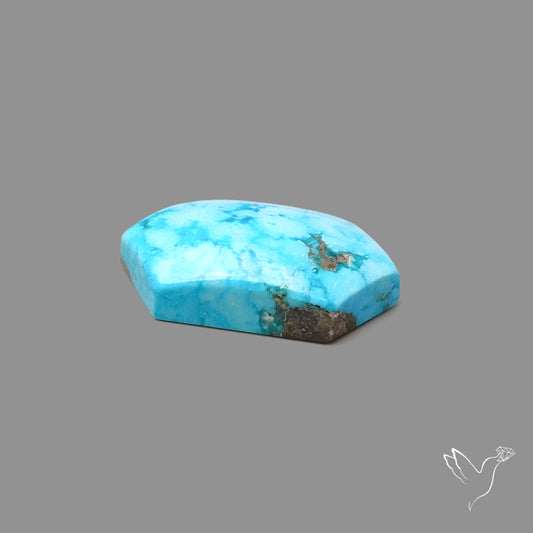
Morenci Turquoise With Pyrite Inclusions
SKU: N51475SIZE: 35X21X8 mmORIGIN: MorenciRegular price $66.00 USDRegular priceUnit price per -
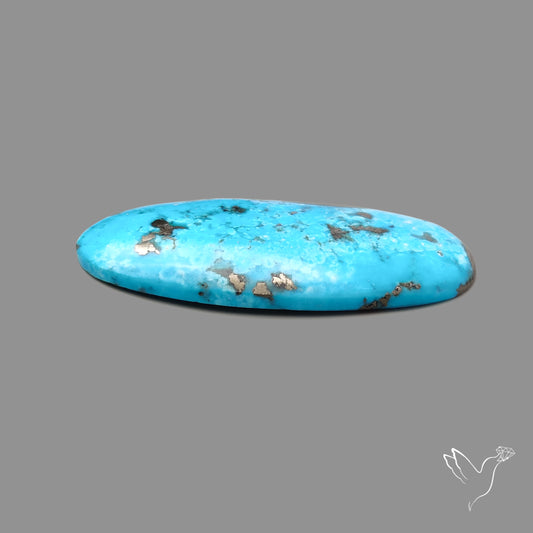
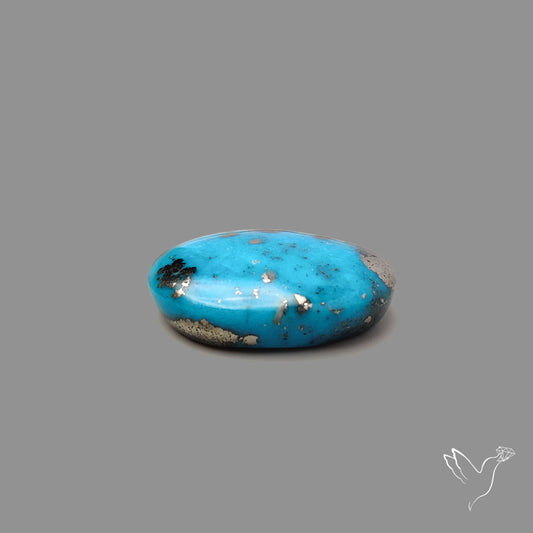
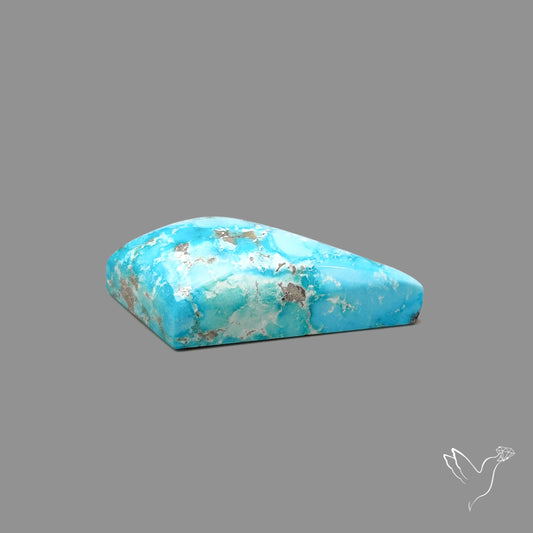
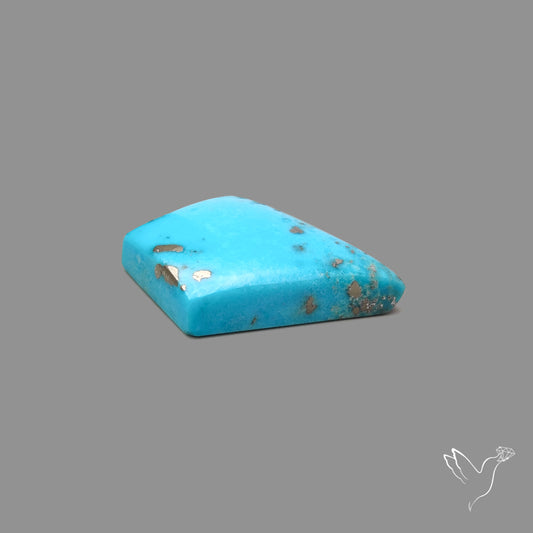
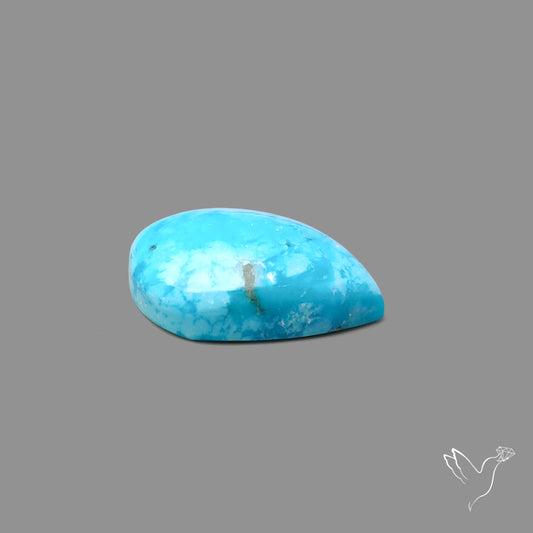
Morenci Turquoise With Pyrite Inclusions
SKU: N51476SIZE: 41X20X5 mmORIGIN: MorenciRegular price $40.00 USDRegular priceUnit price per -
Morenci Turquoise With Pyrite Inclusions
SKU: N51482SIZE: 28X21X5 mmORIGIN: MorenciRegular price $26.00 USDRegular priceUnit price per -
Morenci Turquoise With Pyrite Inclusions
SKU: N51486SIZE: 22X14X6 mmORIGIN: MorenciRegular price $18.00 USDRegular priceUnit price per -
Morenci Turquoise With Pyrite Inclusions
SKU: N51490SIZE: 19X15X7 mmORIGIN: MorenciRegular price $24.00 USDRegular priceUnit price per -
Morenci Turquoise With Pyrite Inclusions
SKU: N51491SIZE: 21X16X7 mmORIGIN: MorenciRegular price $23.00 USDRegular priceUnit price per -
Morenci Turquoise With Pyrite Inclusions
SKU: N51493SIZE: 27X15X8 mmORIGIN: MorenciRegular price $24.00 USDRegular priceUnit price per -
Morenci Turquoise With Pyrite Inclusions
SKU: N51494SIZE: 30X16X7 mmORIGIN: MorenciRegular price $28.00 USDRegular priceUnit price per -
Morenci Turquoise With Pyrite Inclusions
SKU: N51498SIZE: 24X1X5X6 mmORIGIN: MorenciRegular price $24.00 USDRegular priceUnit price per -
Morenci Turquoise With Pyrite Inclusions
SKU: N51499SIZE: 31X18X8 mmORIGIN: MorenciRegular price $32.00 USDRegular priceUnit price per -
Morenci Turquoise With Pyrite Inclusions
SKU: N51502SIZE: 25X15X7 mmORIGIN: MorenciRegular price $24.00 USDRegular priceUnit price per -
Morenci Turquoise With Pyrite Inclusions
SKU: N51503SIZE: 25X14X7 mmORIGIN: MorenciRegular price $25.00 USDRegular priceUnit price per -
Morenci Turquoise With Pyrite Inclusions
SKU: N51504SIZE: 26X17X8 mmORIGIN: MorenciRegular price $28.00 USDRegular priceUnit price per -
Morenci Turquoise With Pyrite Inclusions
SKU: N51507SIZE: 22X16X5 mmORIGIN: MorenciRegular price $15.00 USDRegular priceUnit price per -
Morenci Turquoise With Pyrite Inclusions
SKU: N51508SIZE: 29X20X9 mmORIGIN: MorenciRegular price $42.00 USDRegular priceUnit price per -
Morenci Turquoise With Pyrite Inclusions
SKU: N51509SIZE: 22X19X5 mmORIGIN: MorenciRegular price $17.00 USDRegular priceUnit price per -
Morenci Turquoise With Pyrite Inclusions
SKU: N51512SIZE: 24X14X6 mmORIGIN: MorenciRegular price $25.00 USDRegular priceUnit price per -
Morenci Turquoise With Pyrite Inclusions
SKU: N51513SIZE: 20X15X6 mmORIGIN: MorenciRegular price $17.00 USDRegular priceUnit price per





















All About TURQUOISE Gemstones
The Turquoise Gemological Profile

Provenance and Ethical Global Sourcing
The Turquoise Gemstone Portfolio
Turquoise Quality Tiers & Wholesale Pricing
Professional Turquoise Sourcing Guide
Why Leading Brands Get Turquoise from Gemstones for Sale
Frequently Asked Questions


