

1215 products

All About Opal Gemstones

Gemological Specifications

down icon

For bench jewelers, lapidary artists, and appraisers, understanding the physical limits of your material is critical for setting and retail documentation.

  • Species: Hydrated Silica
  • Chemical Classification: Mineraloid (Amorphous Silica)
  • Optic Character: Amorphous
  • Mohs Hardness: 5.5 – 6.5 (Requires protective settings like bezels or halos)
  • Transparency: Varies from highly transparent (Crystal Opal) to completely opaque (Matrix/Common Opal)
  • Luster: Vitreous, subvitreous, waxy, resinous, or pearly
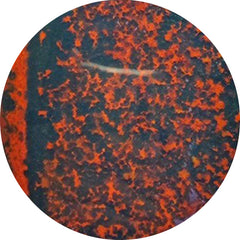
  • Luminescence: Variable under UV light (Some stones exhibit strong green, white, or orangey fluorescence; many remain inert)
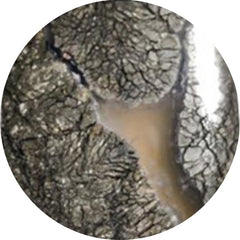
  • Common Inclusions: Potch (common opal lacking play-of-color), natural sand grains, ironstone host rock, or minor internal crazing. (Note: Synthetic or lab-created opals will often display a distinct columnar or "lizard-skin" pattern under loupe magnification)

Origins and Ethical Procurement

down icon

By establishing direct relationships with miners, we ensure ethical practices and respect for both the workforce and the environment.

We currently process and offer material from the world's most prominent opal-producing regions, including, but not limited to:

  • Australia: The traditional benchmark for high-end opals. We source rough from Lightning Ridge, Coober Pedy, and the boulder opal fields of Queensland.
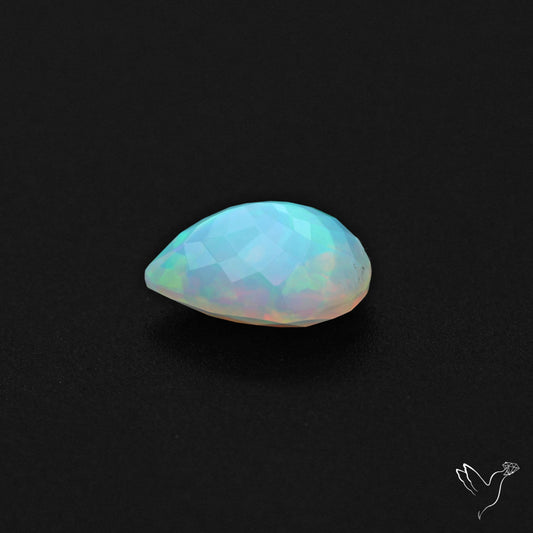
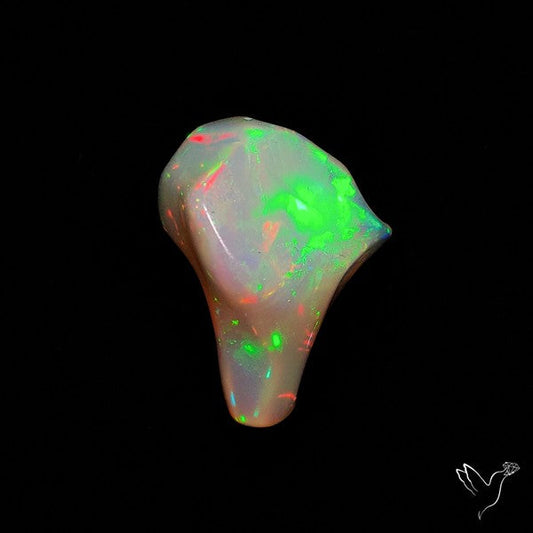
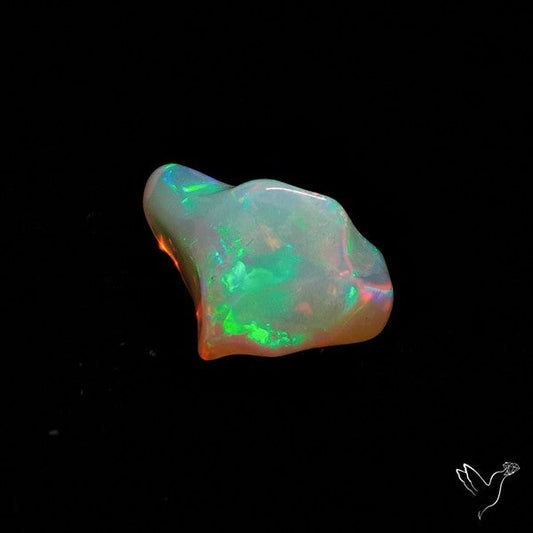
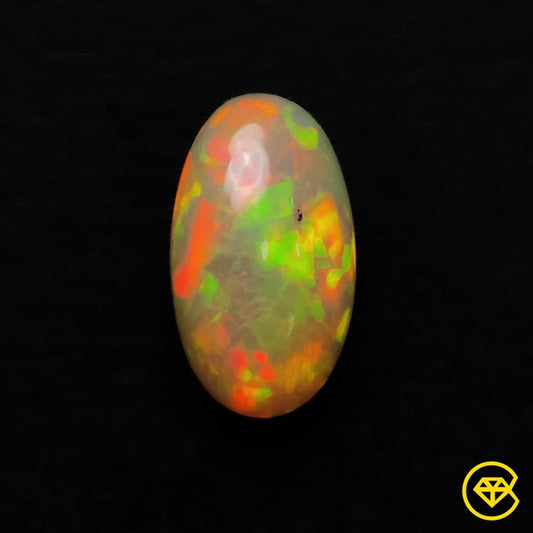
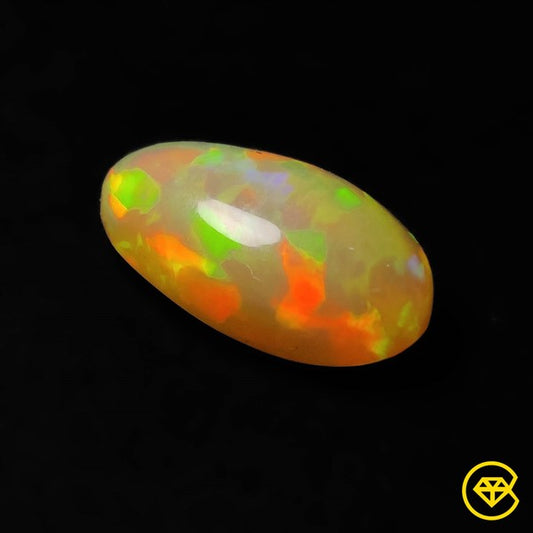
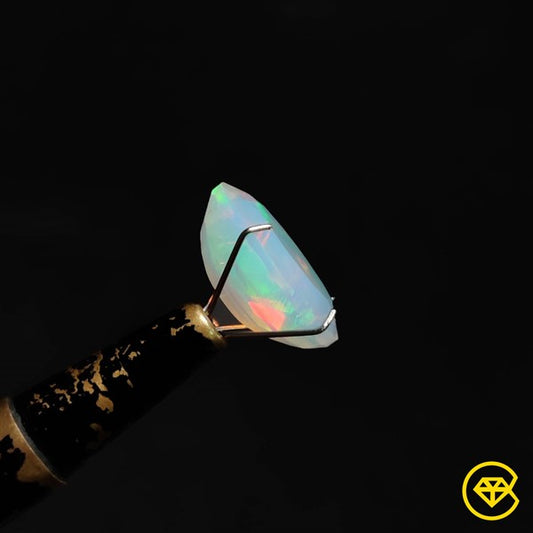
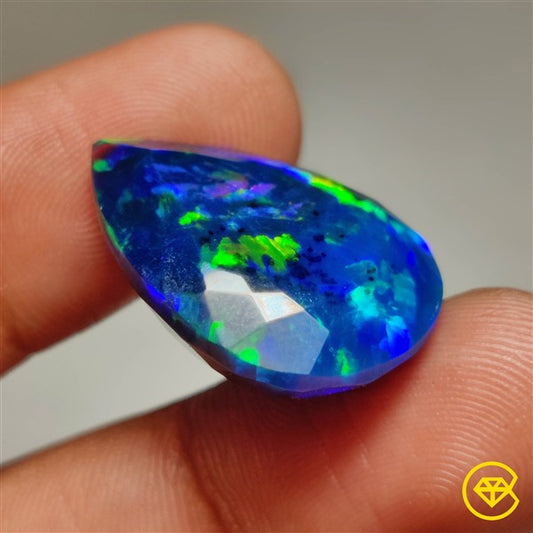
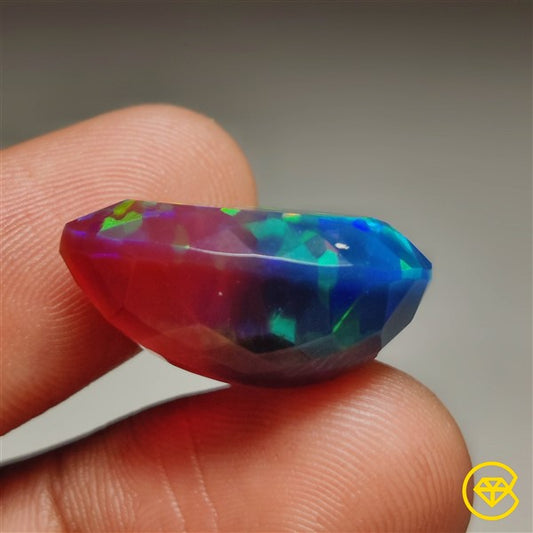
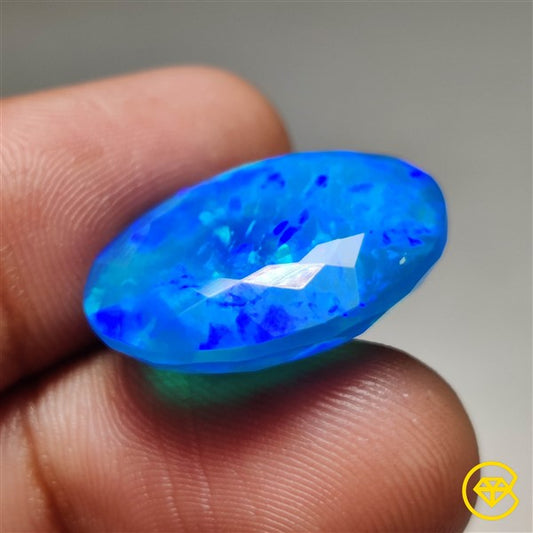
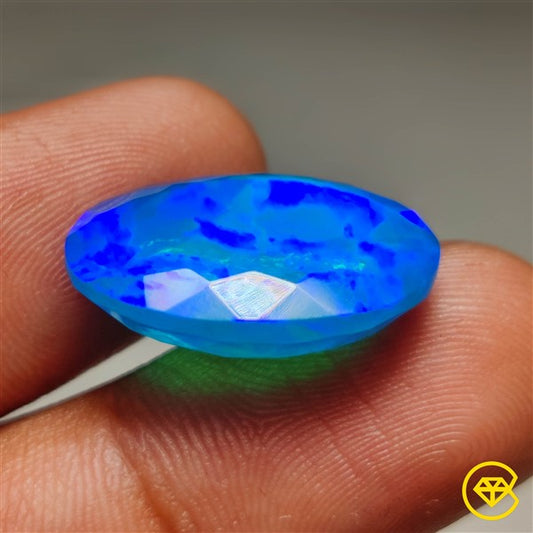
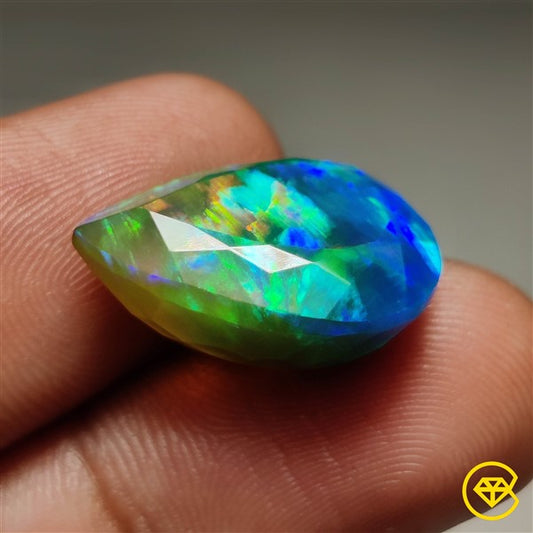
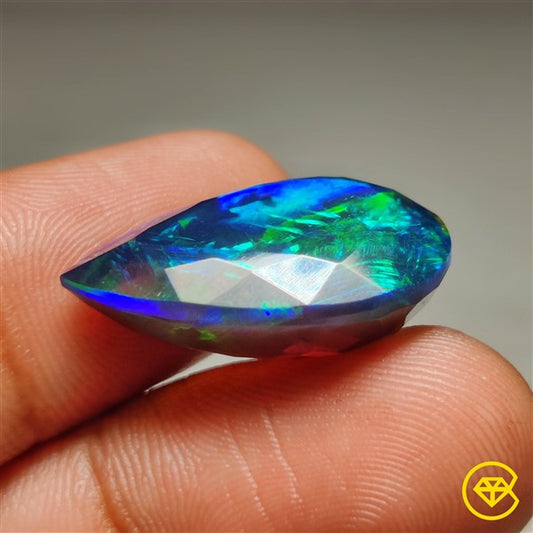
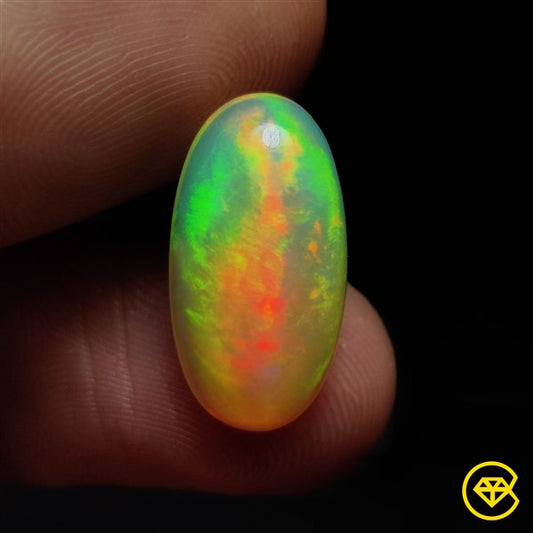
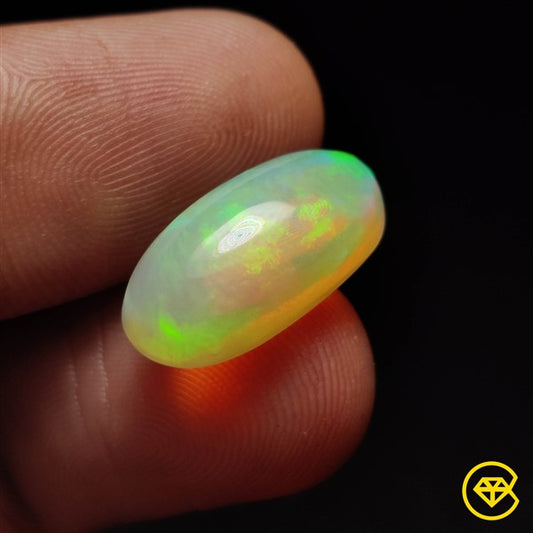
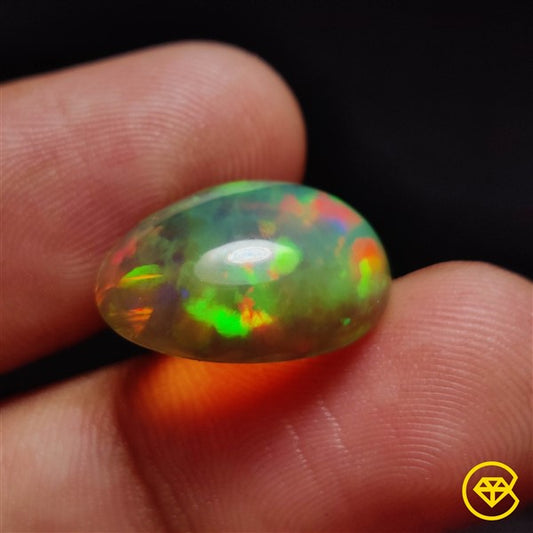
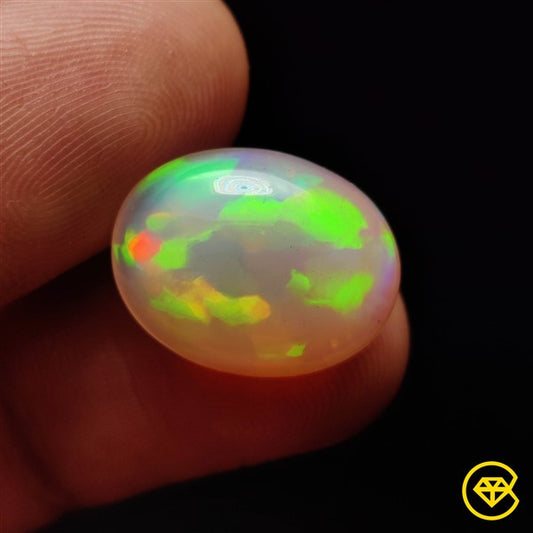
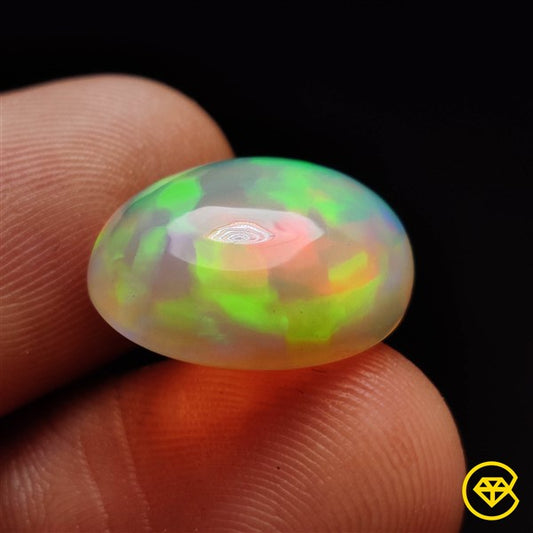
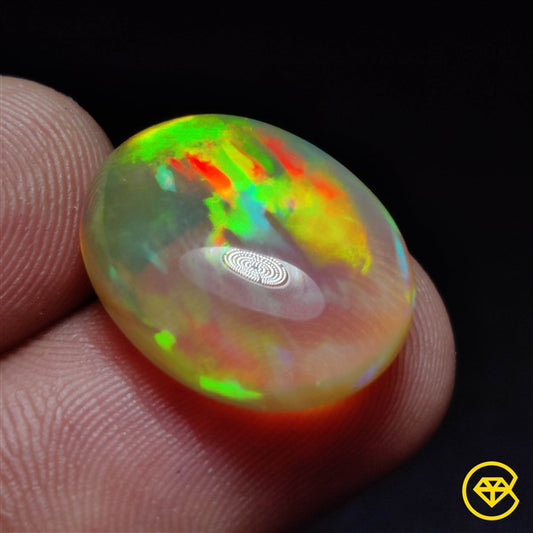
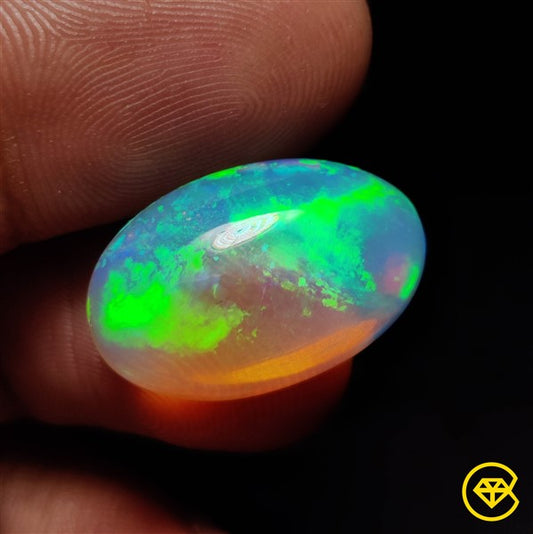
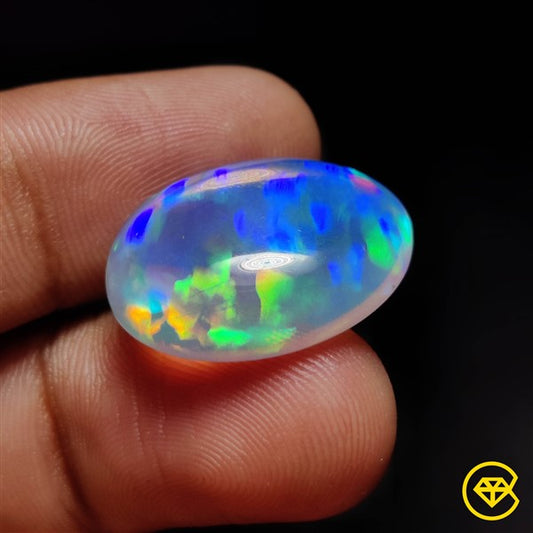
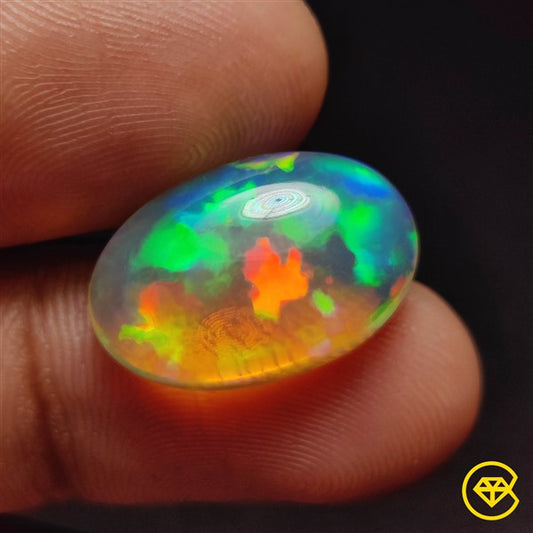
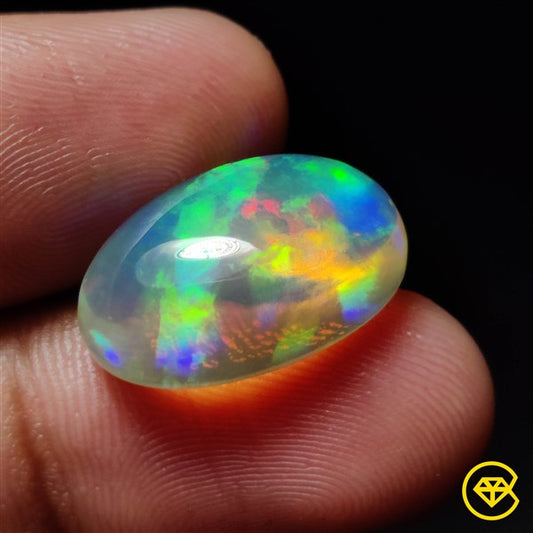
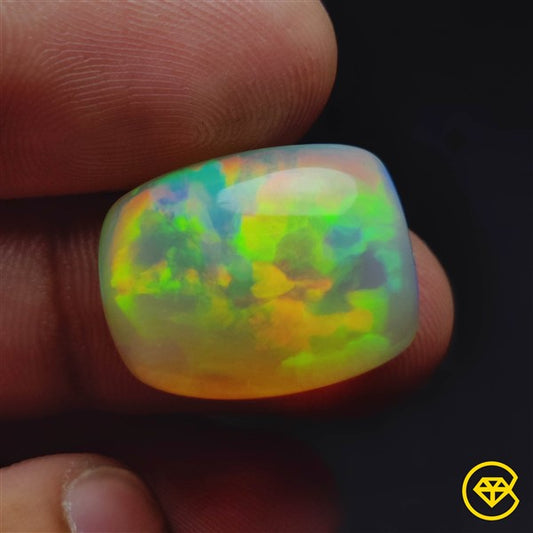
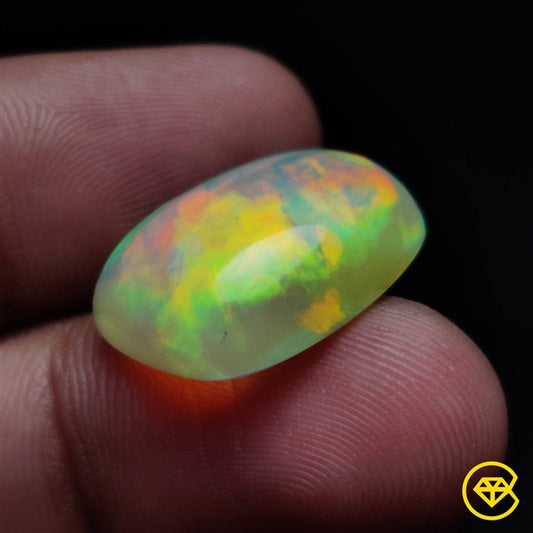
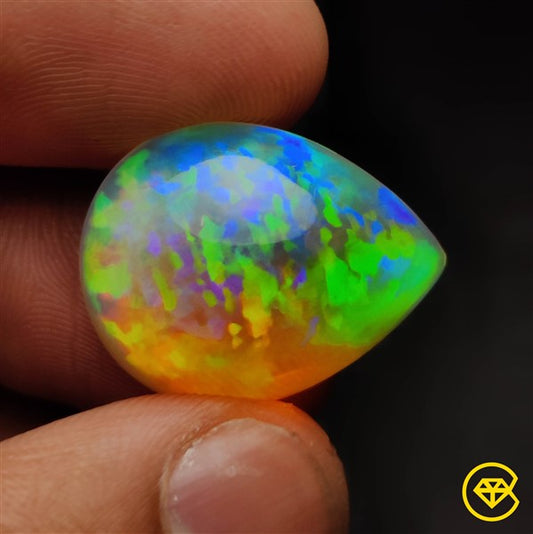
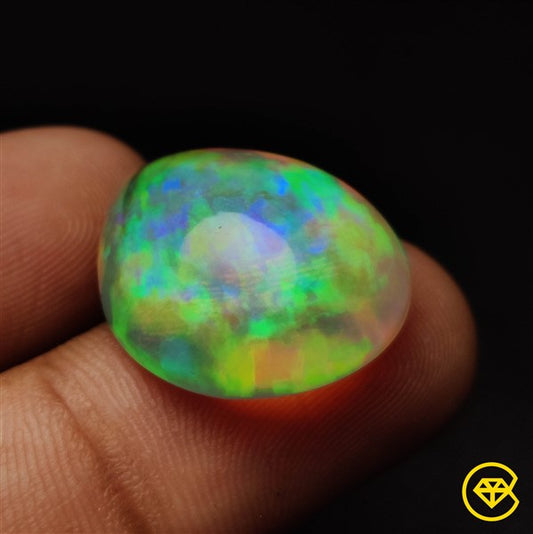
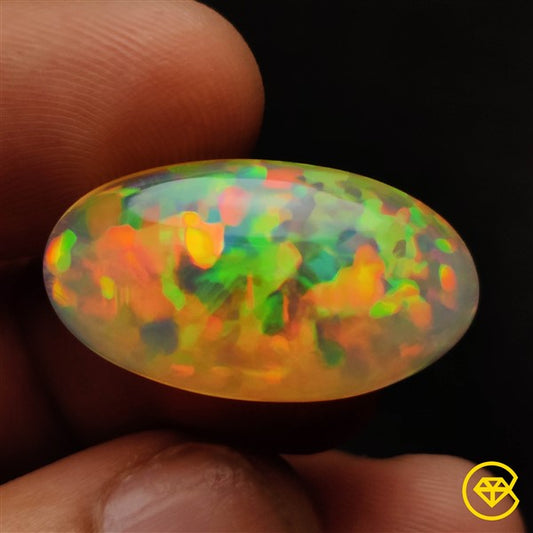
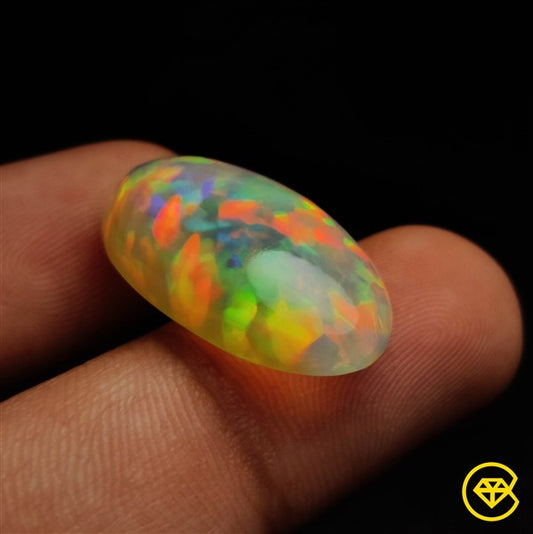
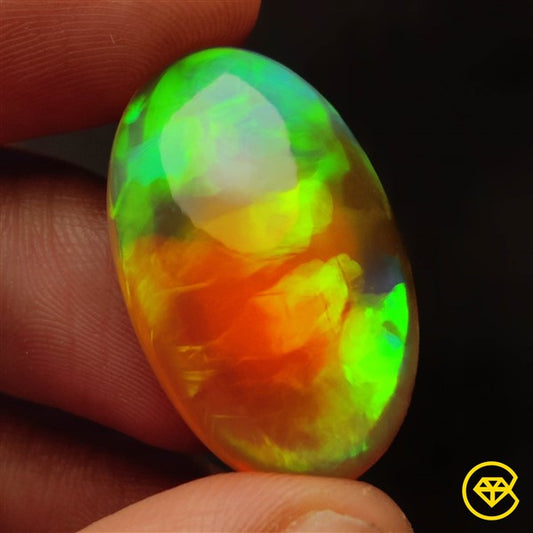
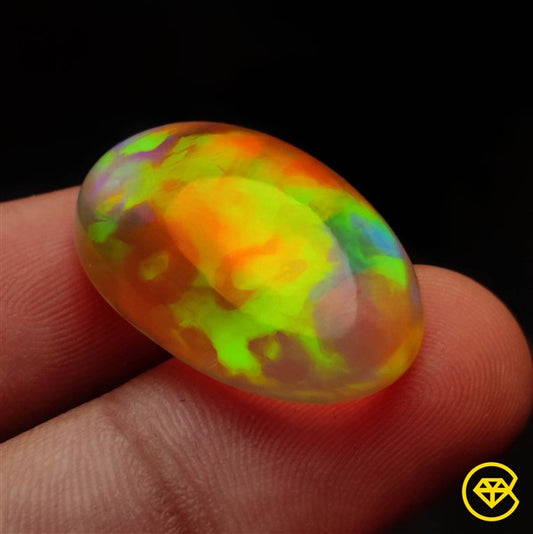
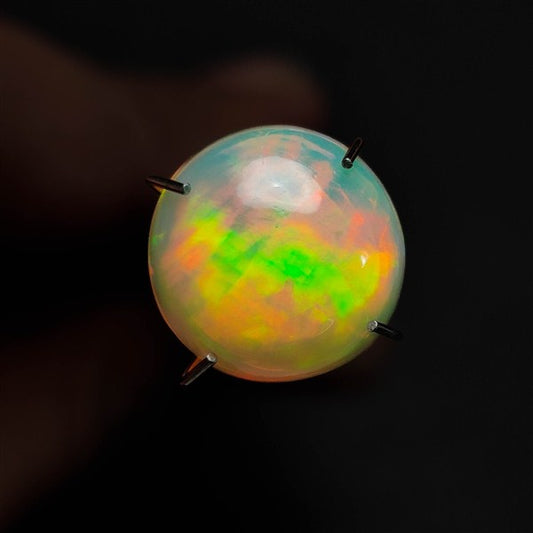
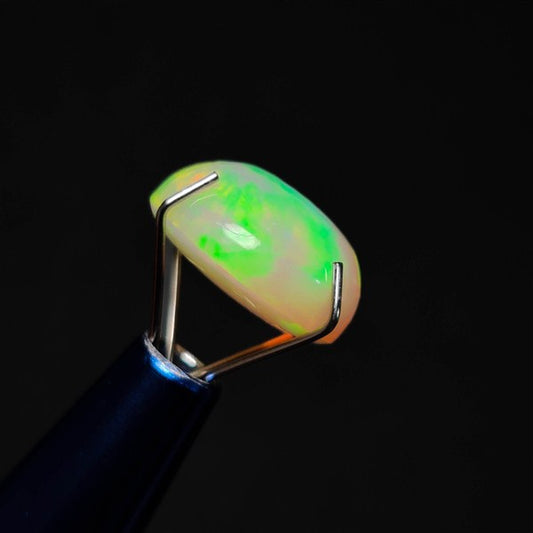
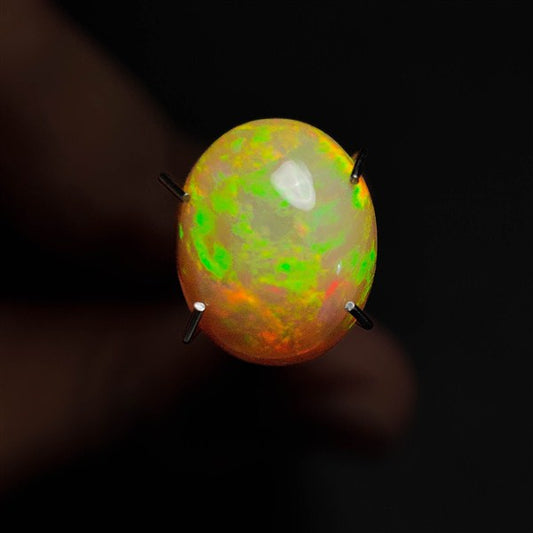
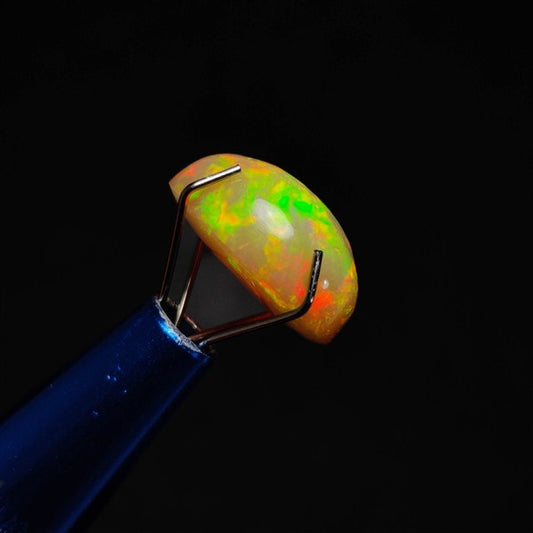
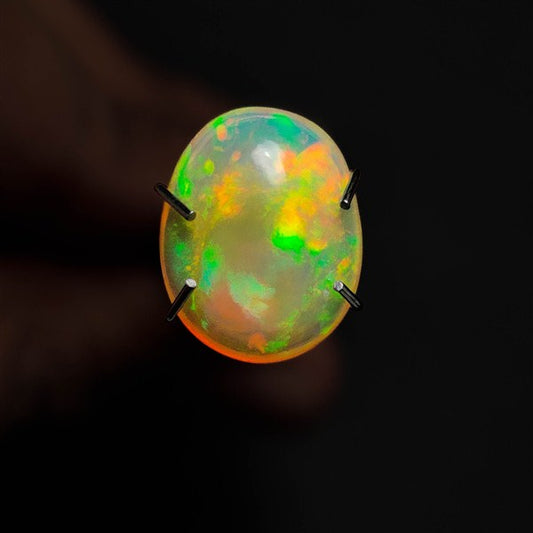
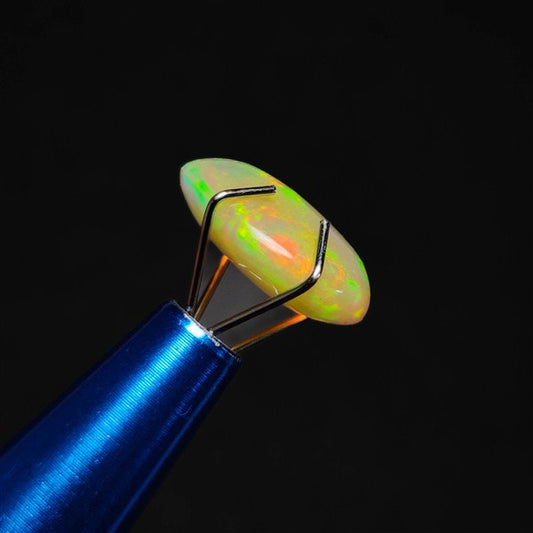
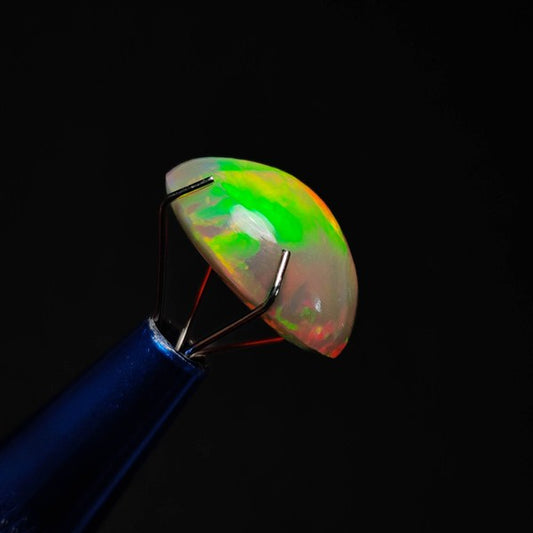
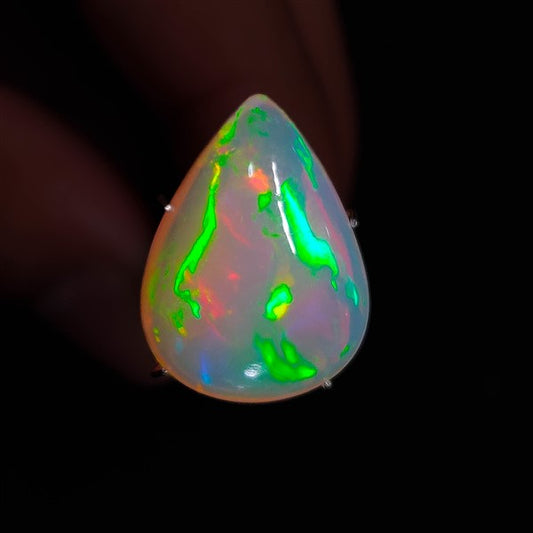
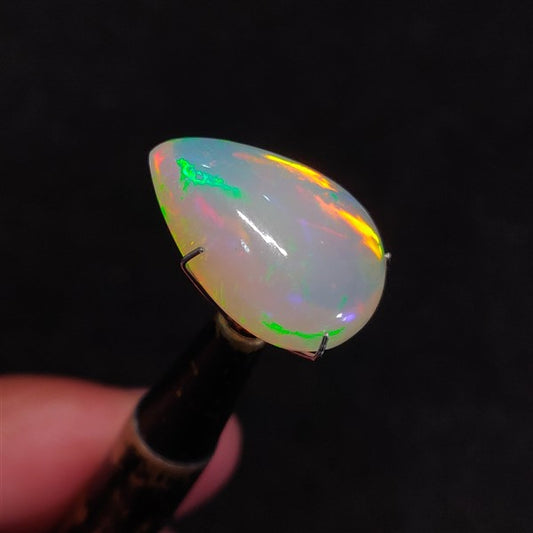
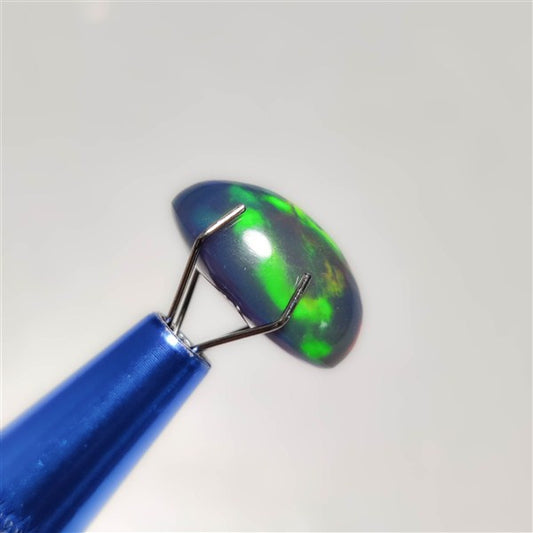
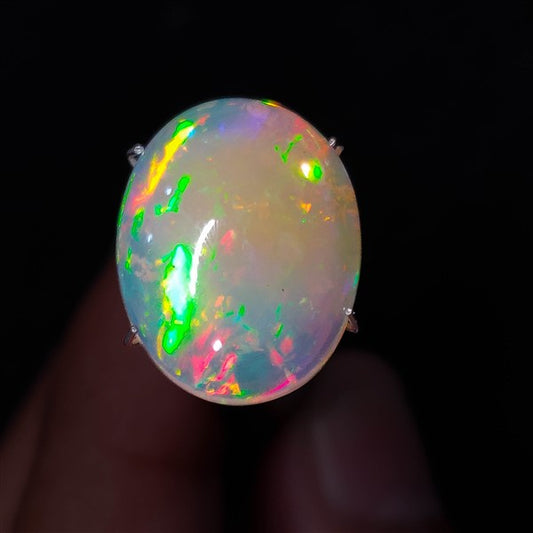
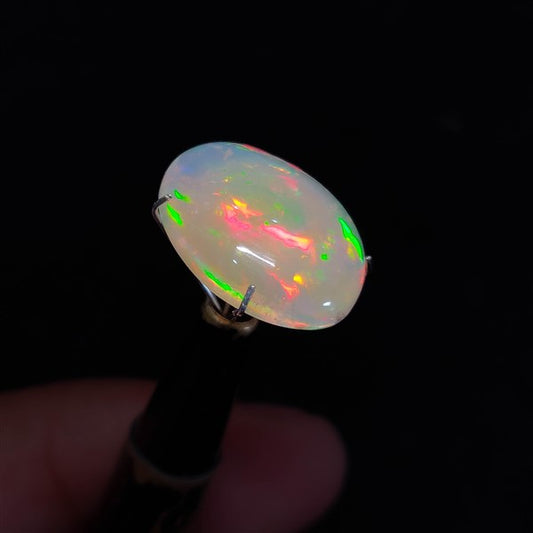
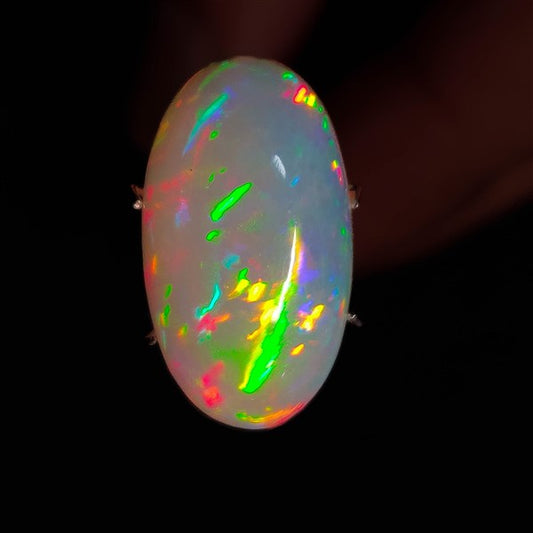
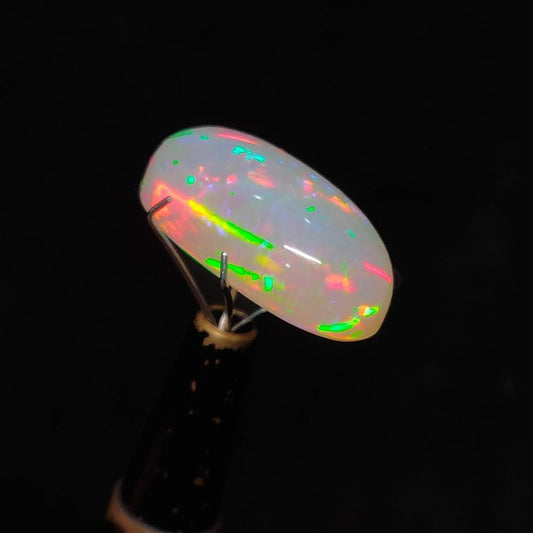
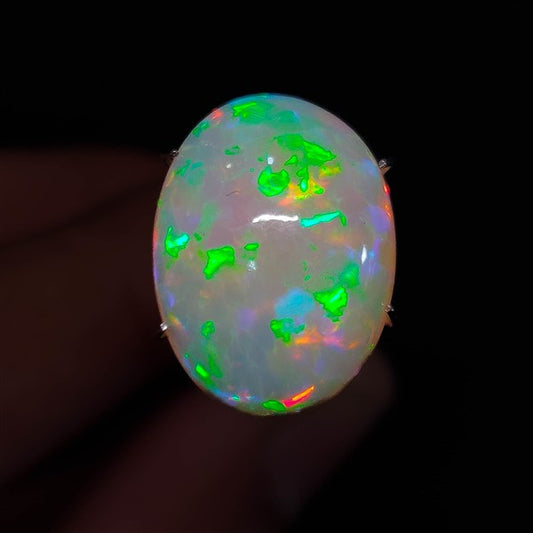
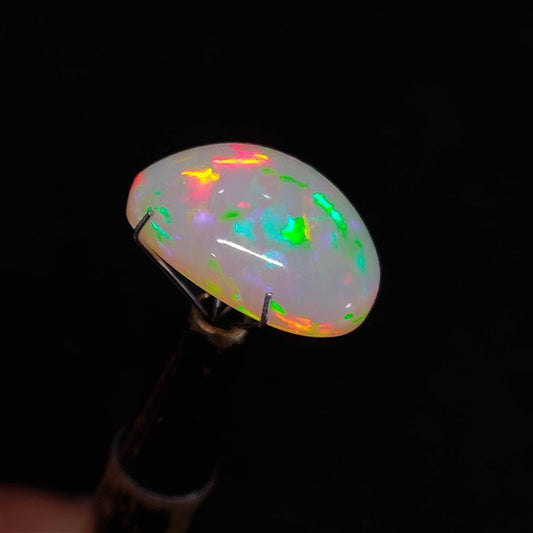
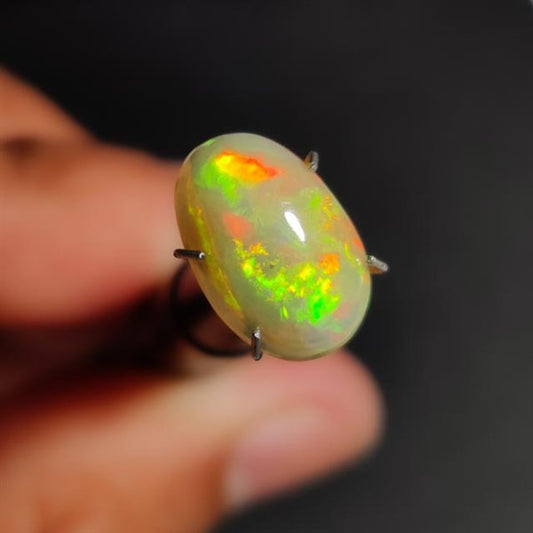
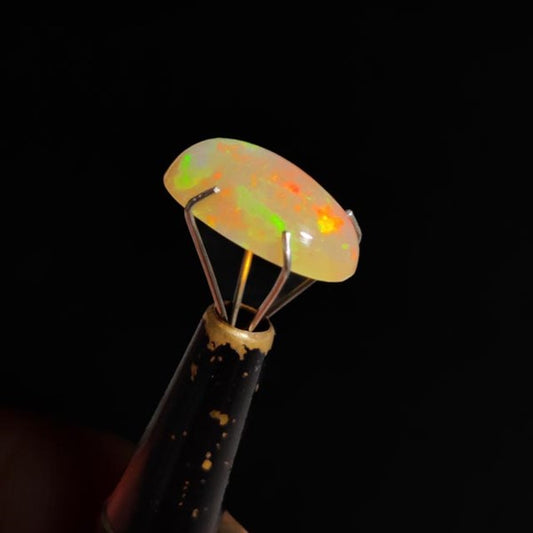
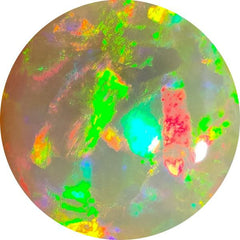
  • Ethiopia: The Welo province produces exceptional hydrophane opal stones for sale with bright, neon flashes of color. This region has helped the modern opal market, offering high brilliance at competitive price points.
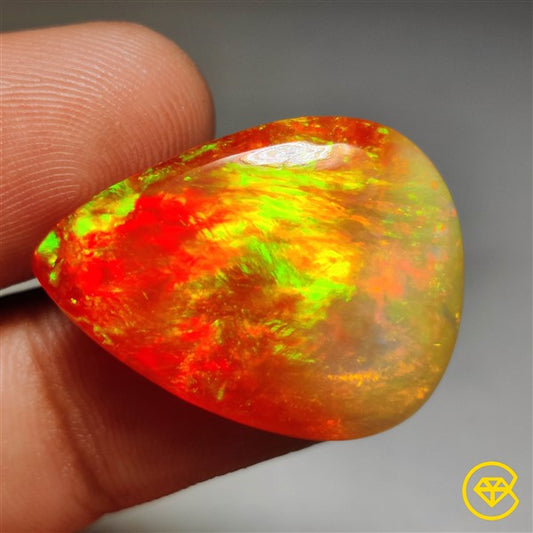
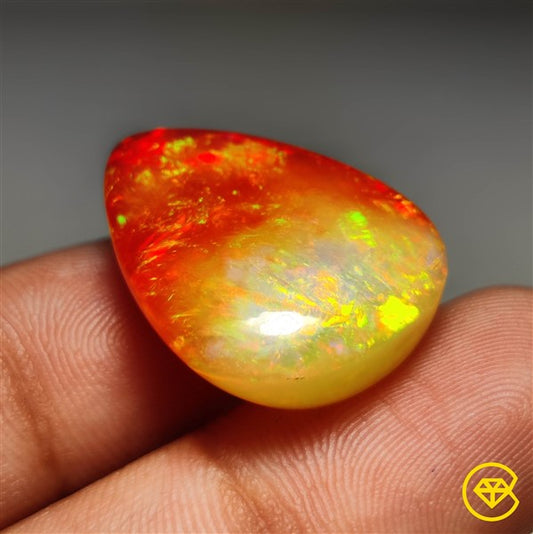
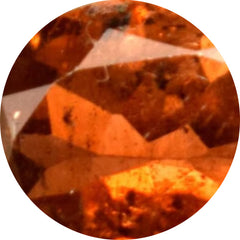
  • Mexico: Known for its distinct fire opals, mined primarily in the state of Querétaro.

Opal Variety

down icon

Our inventory of natural opal for sale covers everything from traditional precious gems to specialty carving materials.

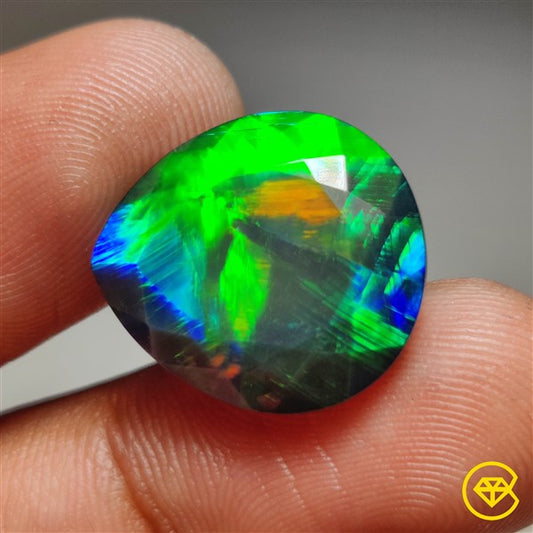
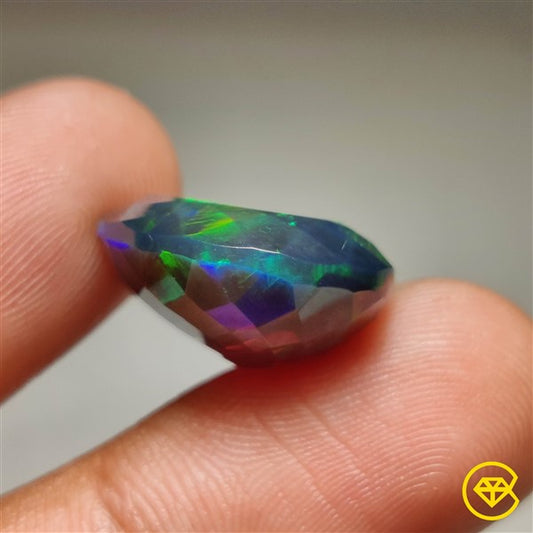
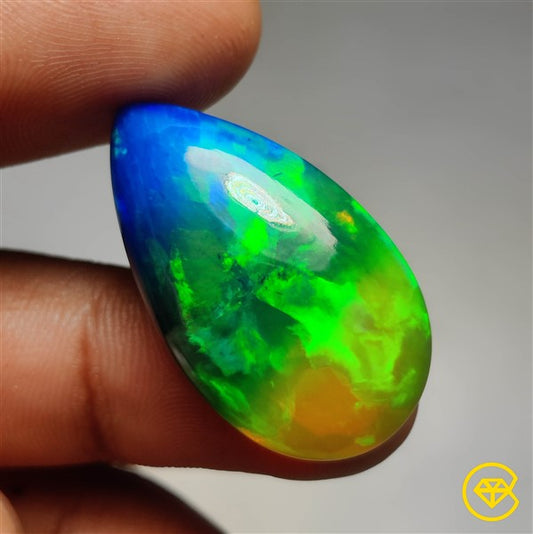
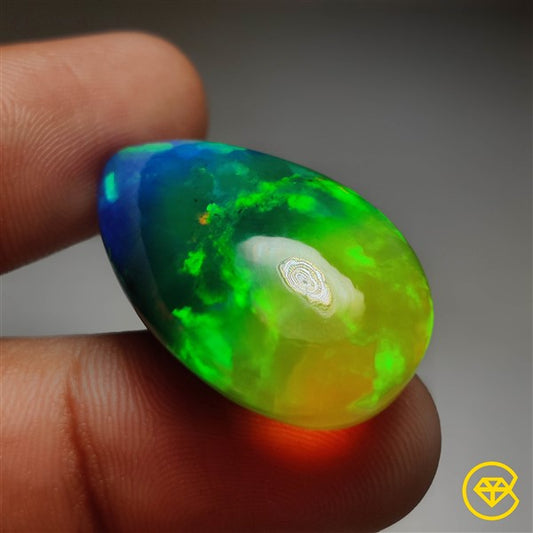
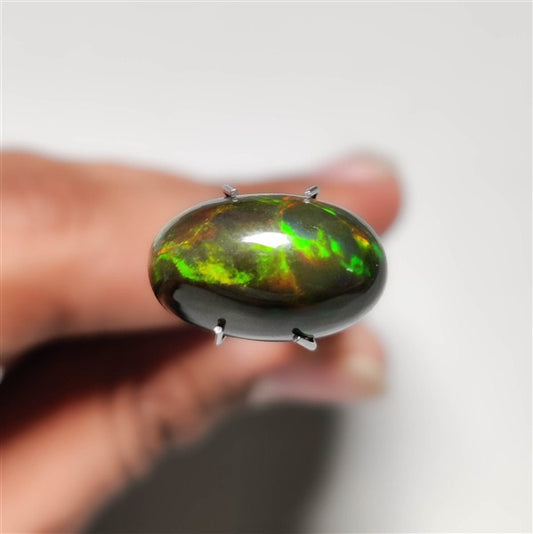
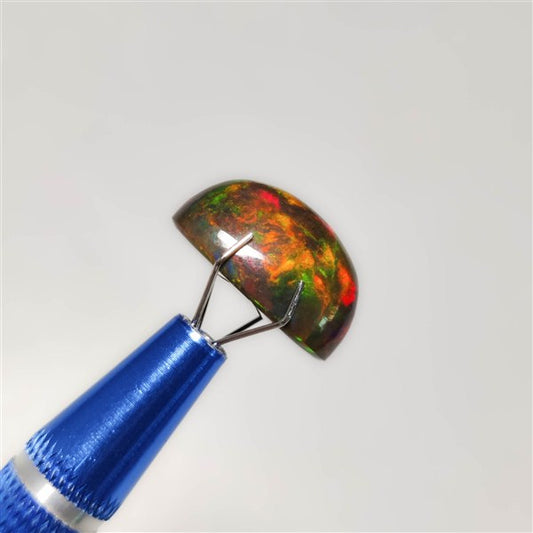
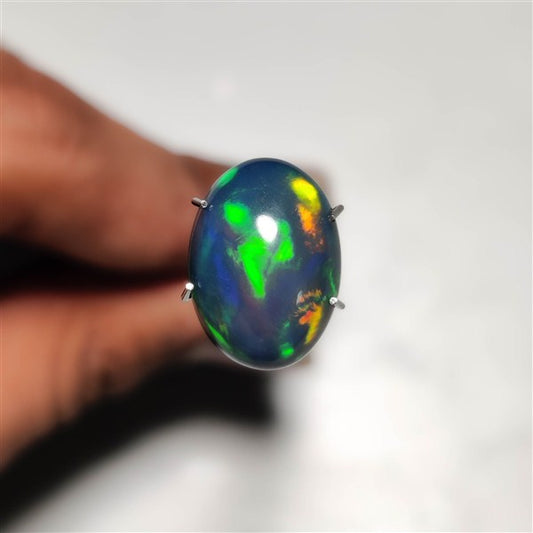
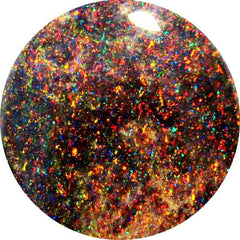
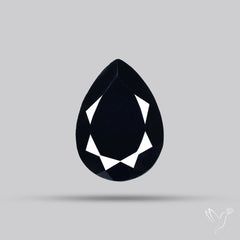
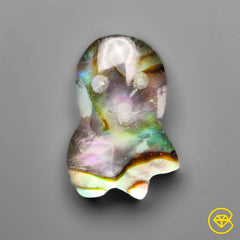
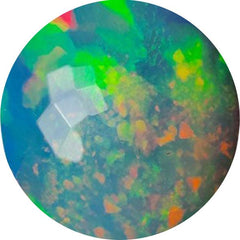
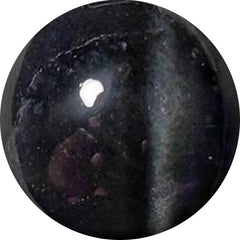
  • Precious Opals: This category includes highly sought-after Black Opal, Ethiopian Opal, White Opal, and Fire Opal. These are the classic stones displaying distinct play-of-color or intense transparency.
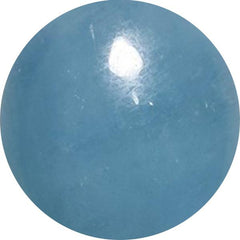
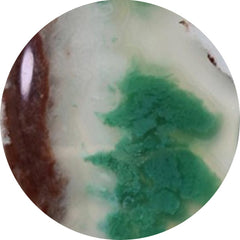
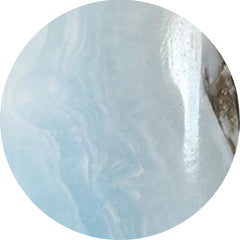
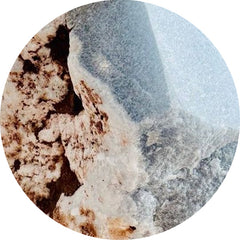
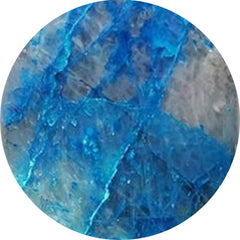
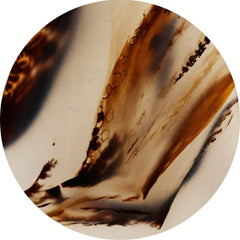
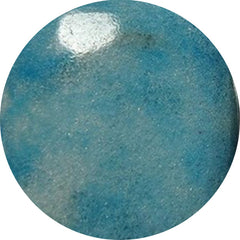
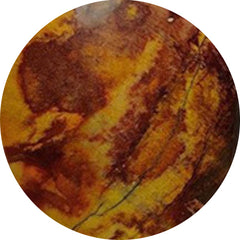
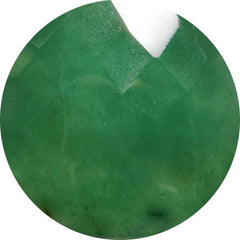
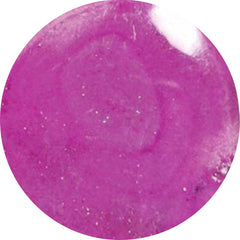
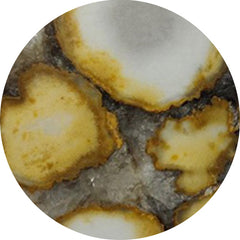
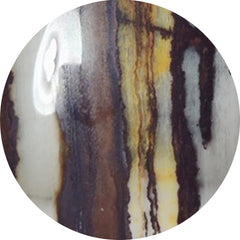
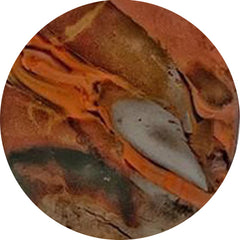
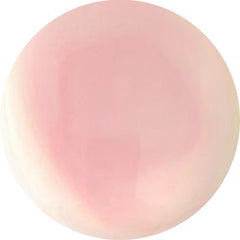
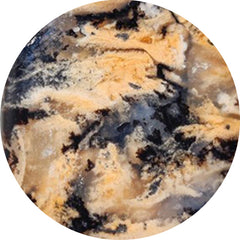
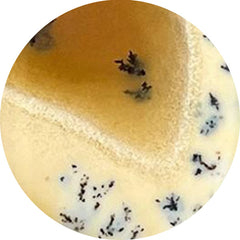
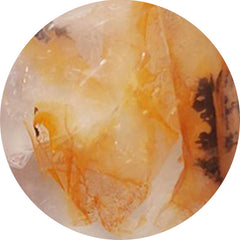
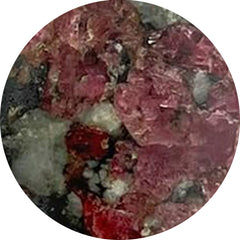
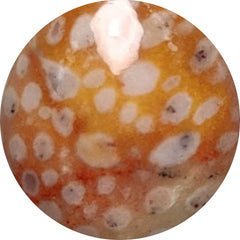
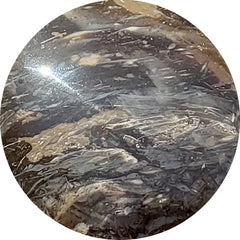
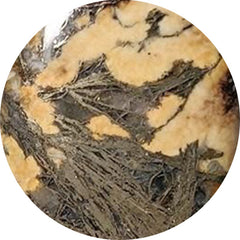
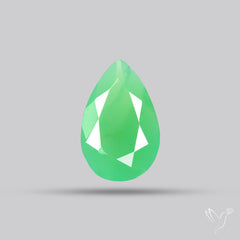
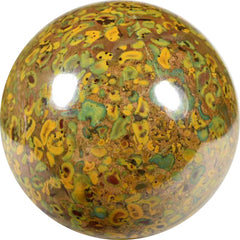
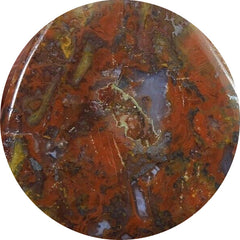
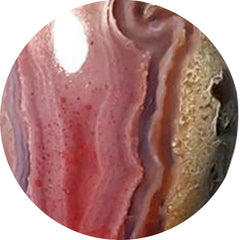
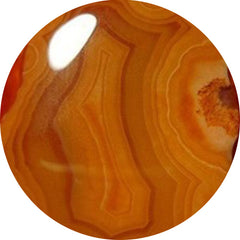
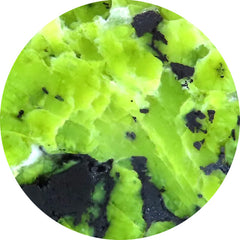
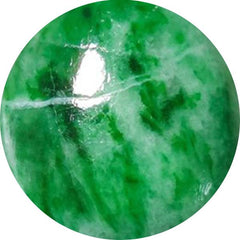
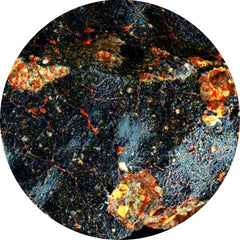
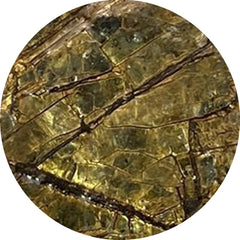
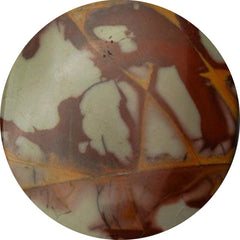
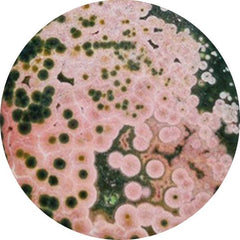
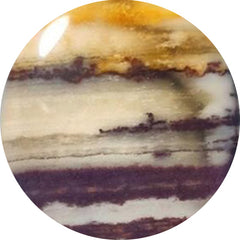
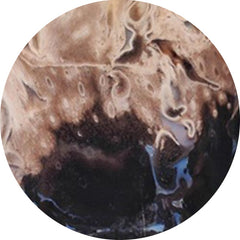
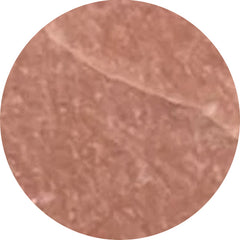
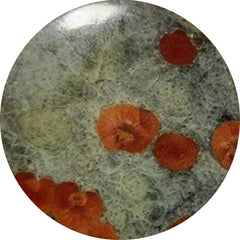
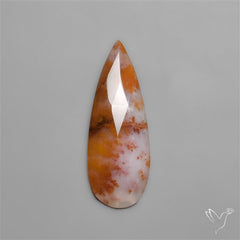
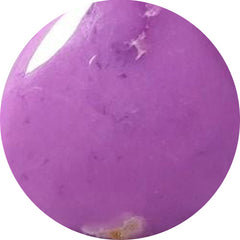
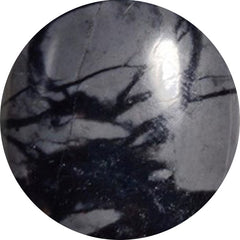
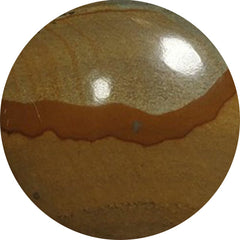
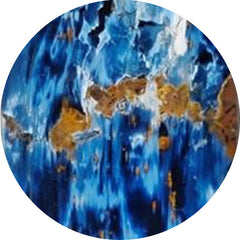
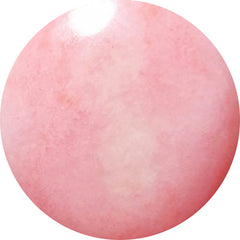
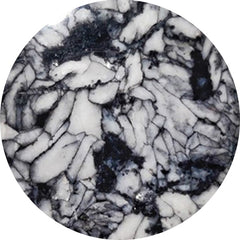
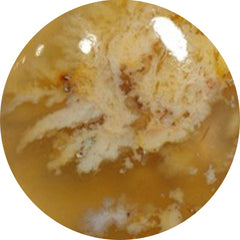
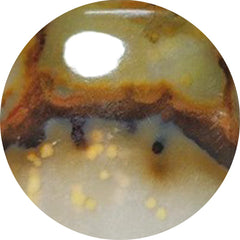
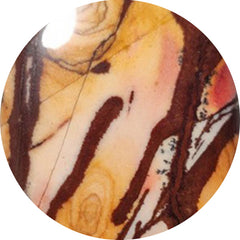
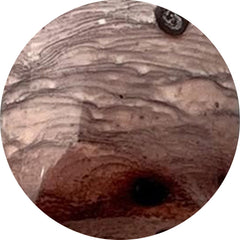
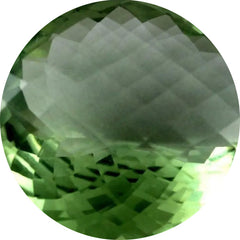
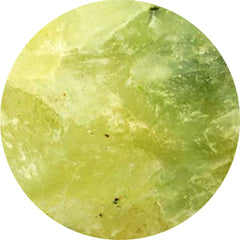
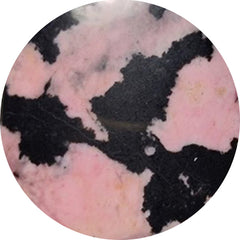
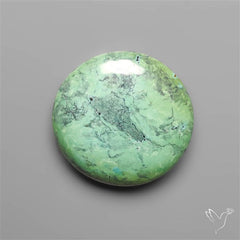
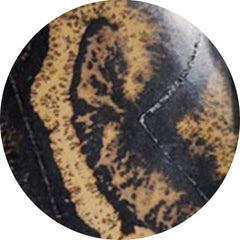
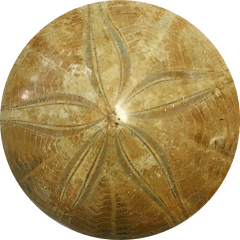
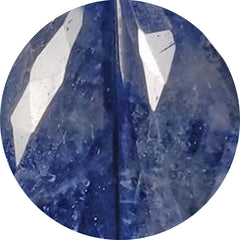
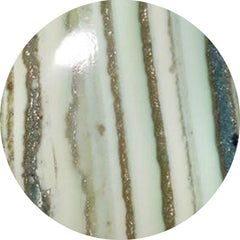
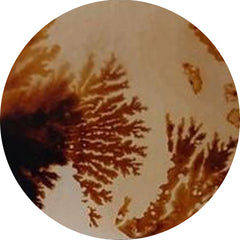
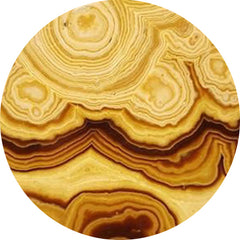
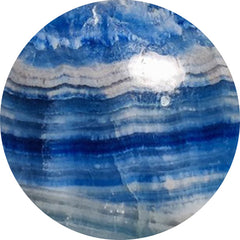
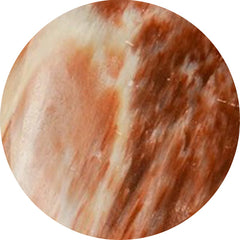
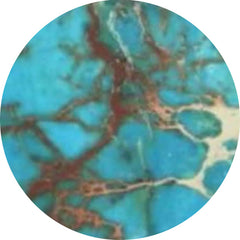
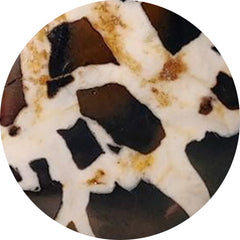
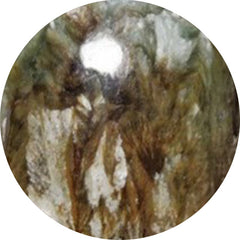
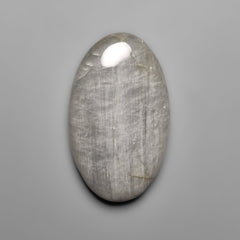
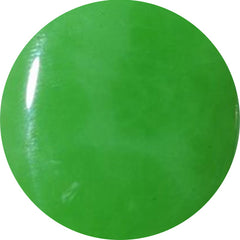
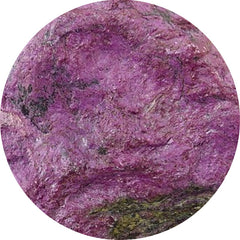
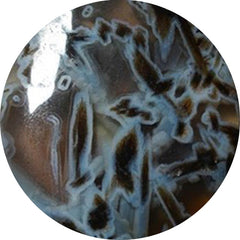
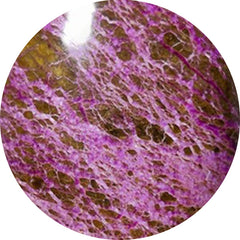
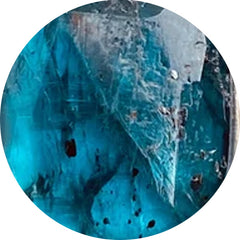
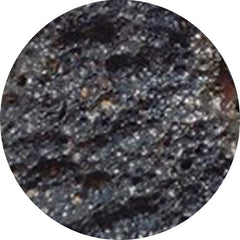
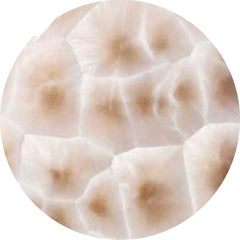
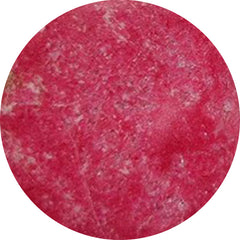
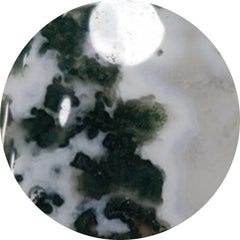
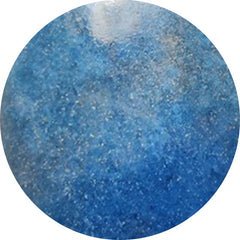
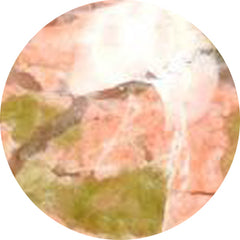
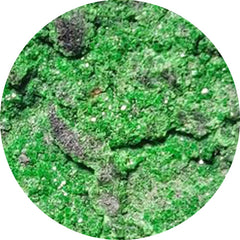
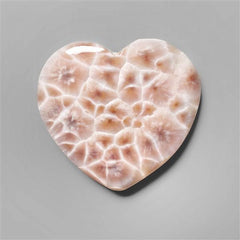
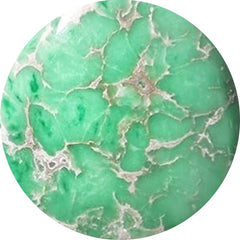
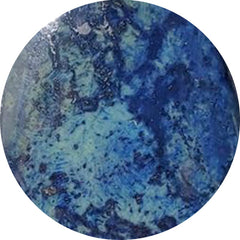
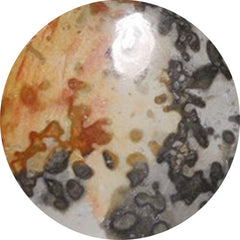
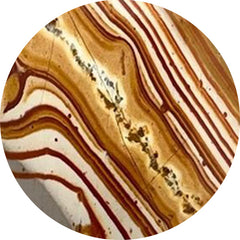
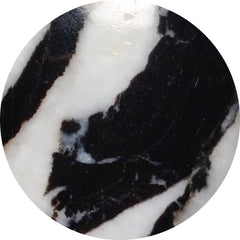
  • Common and Regional Opals: These stones typically lack play-of-color but offer stunning solid hues and interesting patterns. We stock Pink Opal, Blue Opal, Morado Opal, Green Prase Opal, and Dendritic Opal. We also carry matrix options like Cantera Opal and Howardite Opal, where the gem is embedded naturally in its host rock.
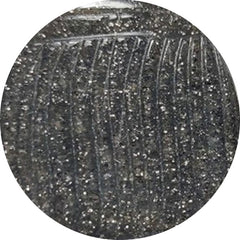
  • Composite and Lab Alternatives: We supply budget-friendly, highly durable design alternatives. This includes Aurora Opal, Monarch Opal, Gilson Opal, Sterling Opal, and Opalite. These materials are highly consistent and excellent for repetitive manufacturing by small jewelry brands.

Opal Quality & Pricing

down icon

The opal gemstone cost per carat is dictated by origin, background darkness, rarity of the pattern, and fire intensity. We carry a massive variety of sub-types to fit any collection budget:
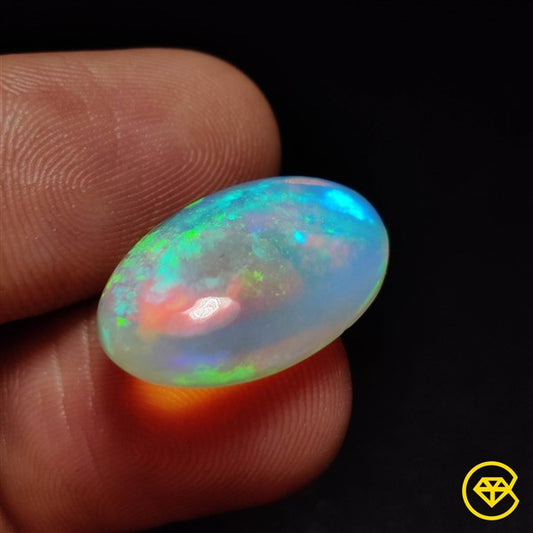
  • Precious & Play-of-Color Opals: This tier represents the highest value in gem-weight stones.
    Australian Black Opals sit at the absolute top of the market ($1,000 – $15,000+ per carat), followed by exceptionally bright Crystal Opals ($100 – $1,500 per carat) and warm-toned Mexican Fire Opals ($50 – $500 per carat).
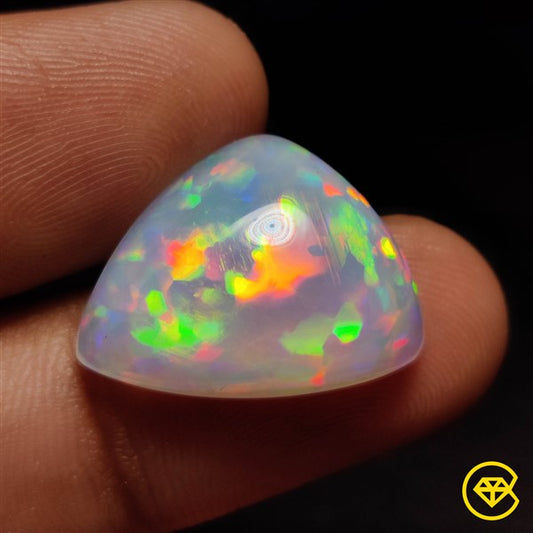
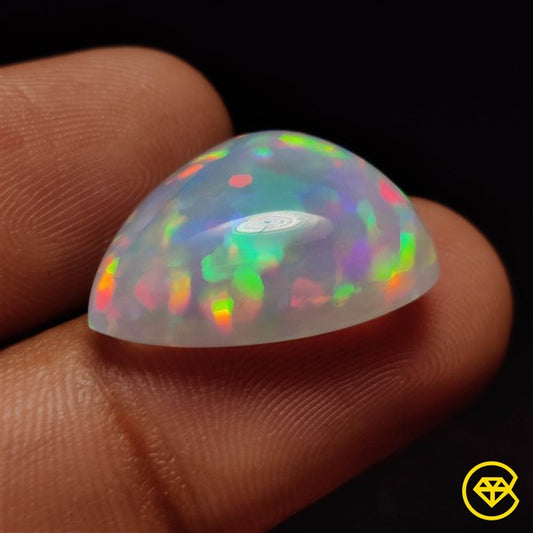
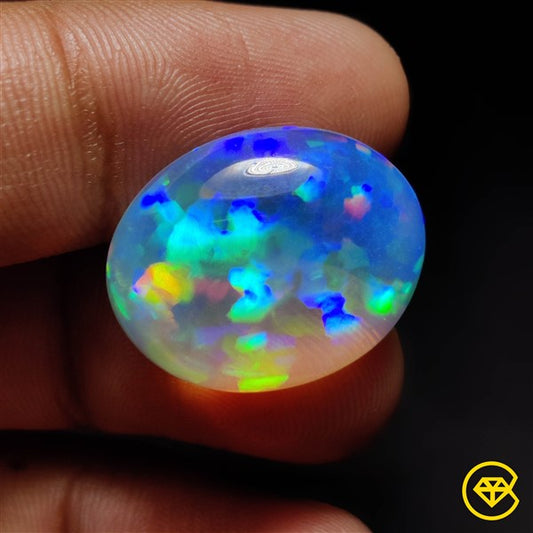
    For high-volume production, Ethiopian Welo ($20 – $500+ per carat) and classic White Opals ($10 – $200 per carat) provide highly accessible entry points for jewelry manufacturers.
  • Matrix & Host Rock Opals: These stones are cut with the natural host rock intact, offering an excellent foundation for custom studios focused on raw, organic designs.

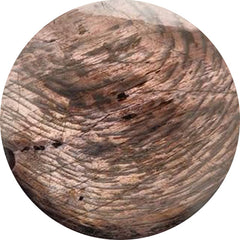
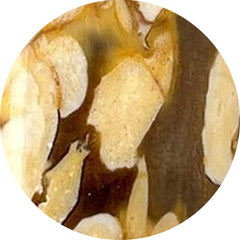
    Premium Australian Boulder Opals command the highest rates in this category ($50 – $3,000+ per carat), while standard Matrix Opals ($10 – $300 per carat) and Opalized Wood ($10 – $100 per carat) offer more budget-friendly rustic options.
  • Solid Color & Patterned Opals: Cut primarily as solid cabochons, these opaque, structurally stable varieties look striking in heavy silver bezels and are perfect for accessible retail price points. 

Typical rates scale gently from Blue Opals ($5 – $50 per carat) and Green Opals ($2 – $30 per carat) down to Yellow ($2 – $20 per carat) and Peruvian Pink Opals ($1 – $25 per carat).

  • Lab-Created & Composite Alternatives: Budget-friendly, manufactured components including Gilson and other synthetic opals ($5 – $50 per carat). They offer exact visual consistency at a fraction of the cost of mined stones.

Because we process our opal gemstones for sale directly in Jaipur, we bypass broker fees and pass those direct-from-source margins to your business.

Buying Guide

down icon
  • Bulk Parcels and Natural Variance: Natural variation is inevitable when you buy opal in volume. While we tightly grade our wholesale lots, we recommend ordering a 10% overage to guarantee perfect matches for earrings and multi-stone sets.
  • Transparency and Gemological Certification: We evaluate all loose opals for sale under daylight LEDs, actively rejecting stones with crazing (drying cracks). We guarantee 100% treatment disclosure on every listing. If your retail clients require formal documentation, we can provide a certified opal gemstone backed by independent lab reports (such as GIA or IGI). 
  • Procurement & Listing Data: Our product pages provide the data required to justify your margins, including:
  1. High-resolution photos showing the peak fire
  2. Clear origin and hydrophane notes (especially for Ethiopian Welo)
  3. Exact millimeter dimensions and carat weights
  4. Treatment and synthesis disclosures

Why Jewelry Makers Trust Gemstones for Sale

down icon
  • Accelerated US Delivery: Your deadlines are non-negotiable. Our opal gemstones for sale are accurately graded and ready to ship. For our US manufacturing clients, we use fully insured, trackable, and accelerated logistics.
  • Stress-Free Customs Clearance: Our team manages the customs and duty paperwork so your wholesale parcels clear without delays. Partner with Gemstones for Sale for predictable pricing, stable material, and reliable delivery.
  • Ready-to-Ship Inventory: Processing rough material directly at our Jaipur facility protects your retail margins. If you need to buy opal gemstone online, our direct pipeline eliminates supply chain delays. 
  • Maximized Finished Yields: Backed by 26 years of export expertise, we supply calibrated cabochons, faceted cuts, doublets, and matched pairs. Every lot is strictly graded for fire intensity and stability to minimize your bench loss and maximize finished yields. 

Gemstones for Sale is the best place to buy opals online because we offer fast, fully insured US shipping and handle all customs clearance door-to-door.

Opal Stones - Buyer’s Guide

down icon

Buying an opal requires more than just choosing a pretty stone.

Whether you’re shopping to buy loose opal stone for custom jewelry, or looking for ready-to-wear pieces, the opal stone price can vary based on authenticity, treatments, and origin.

Here are key factors every buyer should consider before making a purchase:

  • Natural vs. Lab-Created: Always confirm whether the opal is natural or synthetic. Natural, untreated opals are more valuable and astrologically significant.
  • Transparency About Treatments: Many opals undergo enhancements like sugar or smoke treatment. Reputable sellers will disclose this clearly.
  • Check for Hydrophane Behavior: Ethiopian opals are often hydrophane — they absorb water and can temporarily change in appearance.
  • Request Certification: A gem lab certificate such as from IGI or GIA ensures authenticity and verifies origin, treatment status, and other key features.
  • Know the Seller: Buy from trusted sources with a clear return policy, genuine reviews, and detailed product listings.
  • Match Use with Type: Choose durable types like fire opals or black opals for rings; delicate opals are better suited for pendants or earrings.

Many buyers prefer to buy opal gemstone online due to the transparency, better prices, access to certified loose opals for sale and above all the ability to look from different stores at the same time + return in case product doesn’t match up - all through the comfort of home.

Opal Stone Cleaning & Care Guidelines

down icon

Opals are delicate gemstones that require mindful care to preserve their brilliance and structural integrity. Follow these simple practices to keep your opal jewelry looking beautiful for years:

  • Clean Gently: Use lukewarm water, a mild soap, and a soft cloth or brush. Avoid harsh chemicals, ultrasonic cleaners, or abrasive tools.
  • Avoid Heat & Sunlight: Keep opals away from direct sunlight, hot water, or sudden temperature changes, as they may dry out or crack.
  • Minimize Moisture Exposure: Ethiopian opals are hydrophane and can absorb water. Avoid soaking or storing them in humid conditions.
  • Store Separately: Place opals in a fabric-lined box or soft pouch to prevent scratches and preserve polish.
  • Inspect Regularly: Check for loose settings or tiny cracks. Have your opal jewelry cleaned and serviced by a professional when needed.

down icon

down icon

Why Buy Opal from GemstonesForSale?

down icon

At GemstonesForSale, we combine trust, experience, and accessibility — the three A’s of a truly reliable gemstone buying experience:

  • Authenticity: We source natural opals directly from certified and ethical suppliers across Ethiopia, Australia, Mexico, and Peru. Every stone is quality-checked and backed by expert verification.
  • Authority: With 20+ years in the gem industry and over 50K happy customers, we’re trusted by collectors, astrologers, and jewelry lovers alike.
  • Affordability: We curate a wide collection of opals to suit every budget — from rare black opals to beginner-friendly options — so everyone can own a piece of this radiant gem.

We make it easy to buy opal gemstone Online with verified gem lab certificates and worldwide shipping.

Whether you're handcrafting bespoke jewelry, curating crystals for spiritual clients, or stocking your boutique, our ethically sourced, high-grade Opals are trusted by thousands of creators across the globe.

✔ Bulk-ready inventory for studios and retail

✔ Calibrated & freeform cuts for versatile design use

✔ Trusted by artisans for energy consistency and clarity

✔ Gem lab certificates available for professional resale

✔ Wholesale pricing & partner support available

Our extensive collection includes rare opal gemstones for sale — from premium black opals to budget-friendly pastel Peruvian stones.
If you're searching for the best place to buy opals online, our platform ensures competitive opal gemstone prices with full transparency.

FAQ

down icon

Q: What is the rarest type of opal?

Black Opal from Australia is the rarest and most valuable type due to its dark background and intense play-of-color.

Q: Can opal crack or dry out?

Yes, solid opals contain water and can crack if exposed to extreme dryness or sudden temperature changes. You should keep them in a humid environment as it helps prevent dehydration.

Q: Why do some opals lose their color?

If an opal is exposed to too much heat, sunlight, or chemicals, it may lose its vibrancy. However, proper care ensures your opal stays brilliant for years.

Q: Is Opal good for spiritual or healing purposes?

Absolutely! Opal is linked to intuition, emotional healing, and creativity. Many believe it enhances self-expression and brings inner peace.

Q: Are Opals expensive?

The price varies based on color, clarity, type, and origin. Black opals and high-quality fire opals can be quite valuable, while common opal varieties are more affordable.

Q. How much water is in opal?

Opal typically contains 3-21% water by weight, which influences its stability and durability.

Q. What are the main types of opal?

The main types include black opal, white opal, crystal opal, fire opal, and boulder opal, each distinguished by background color and transparency.

Q. What makes black opal special?

Black opal has a dark body tone that creates a dramatic contrast, enhancing the vibrancy of the play-of-color.

Q. Can opal be treated or enhanced?

Yes, treatments include dyeing, impregnation with resins, and sugar-acid treatments to improve color or stability.

Q. What is a “harlequin” pattern in opal?

The harlequin pattern features large, distinct patches of play-of-color arranged in a checkerboard-like pattern. It’s highly prized by collectors.

Q. How to know the difference between fake and real opal?

A1 : A real opal shows irregular, natural color play from within, while a fake opal often has a uniform, plastic-like shine or a repeated “snake-skin” pattern under light.

Q. Is opal a crystal?

No. Opal is amorphous, meaning it doesn't have a regular internal crystal structure like other gemstones such as quartz or emerald.

Q. How durable is opal?

Opal is relatively soft (Mohs 5.5–6.5) and has poor to fair toughness. It's best suited for earrings, pendants, or protected ring settings.

down icon

down icon

down icon

down icon

down icon