




































AQUAMARINE: THE MARCH BIRTHSTONE
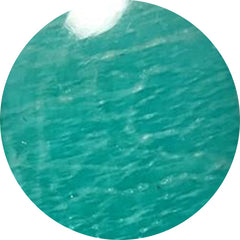
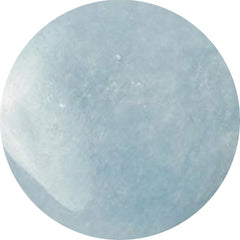
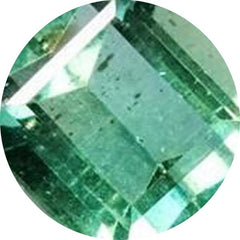
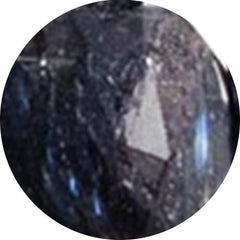
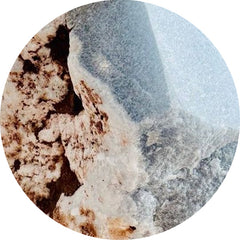
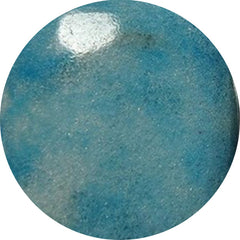
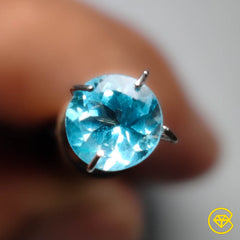
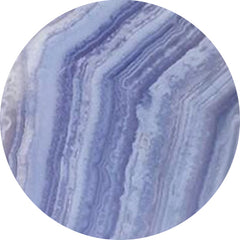
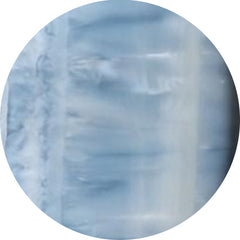
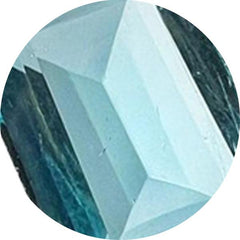
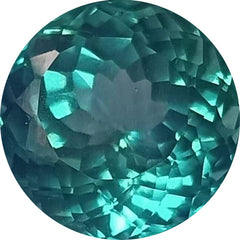
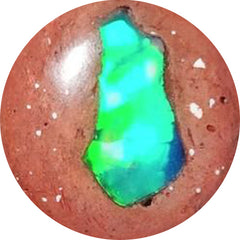
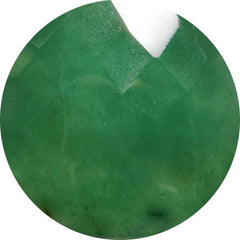
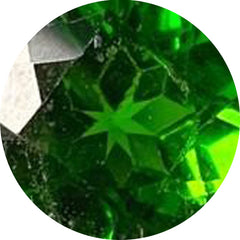
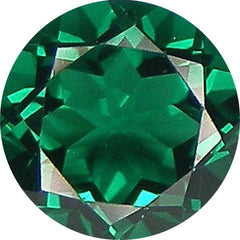
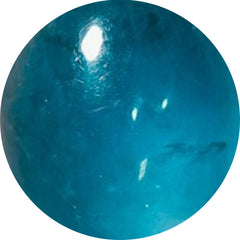
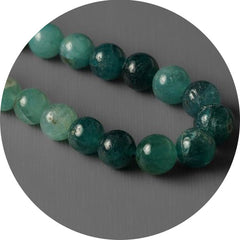
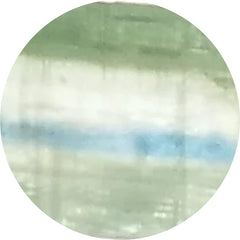
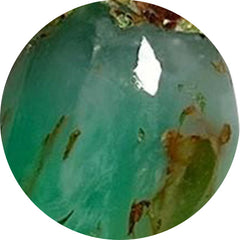
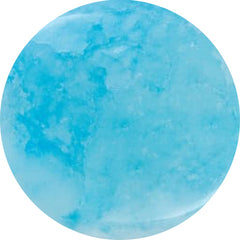
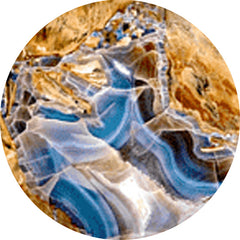
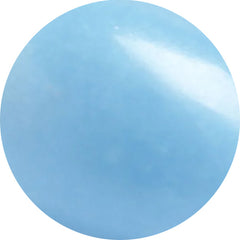
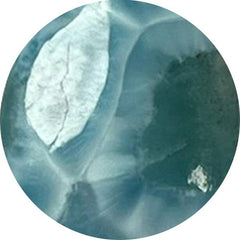
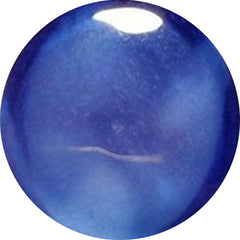
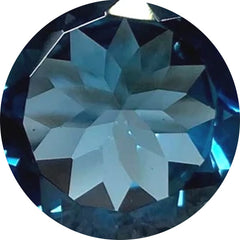
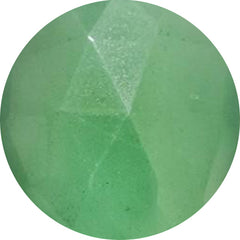
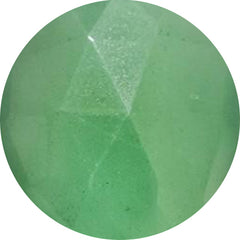
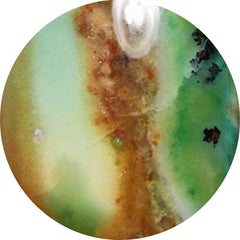
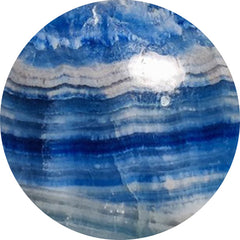
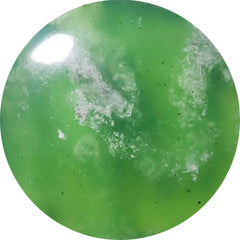
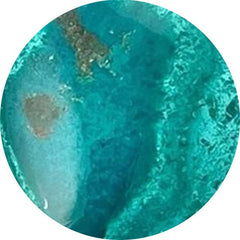
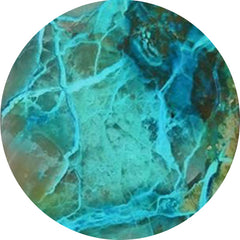
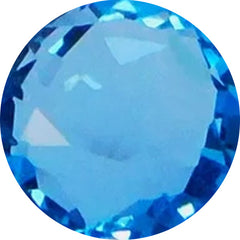
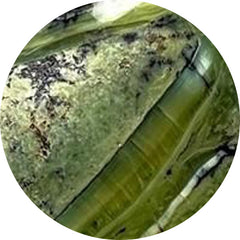
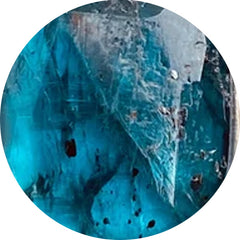
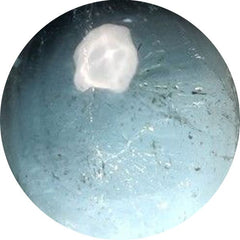
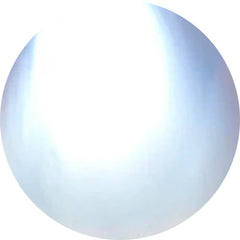
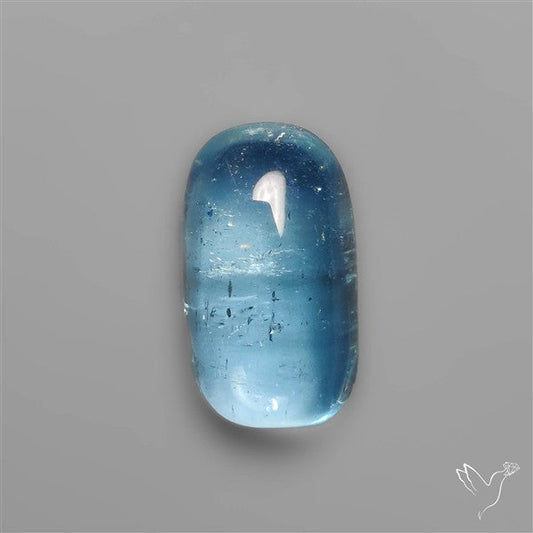
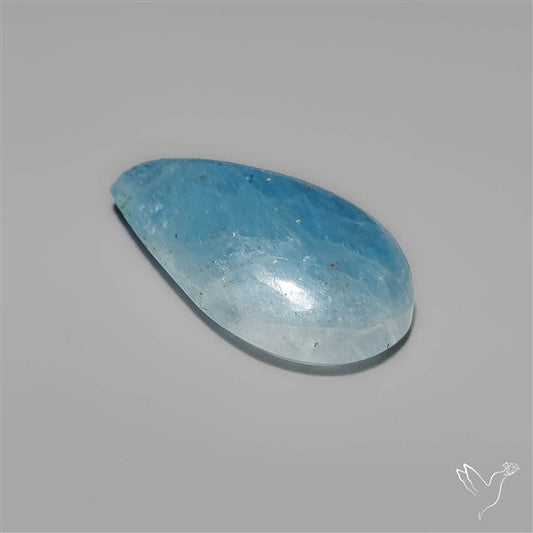
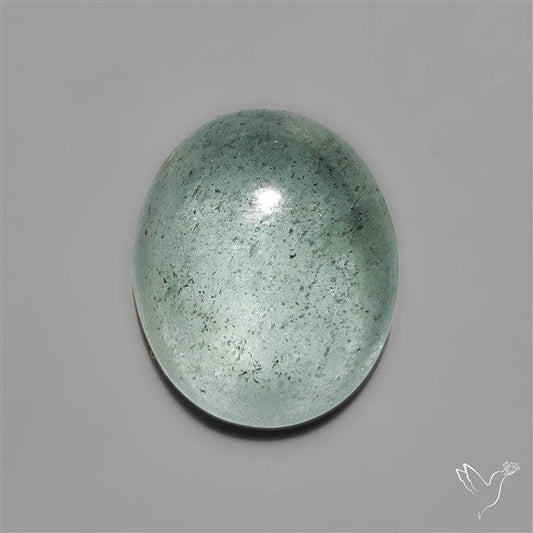
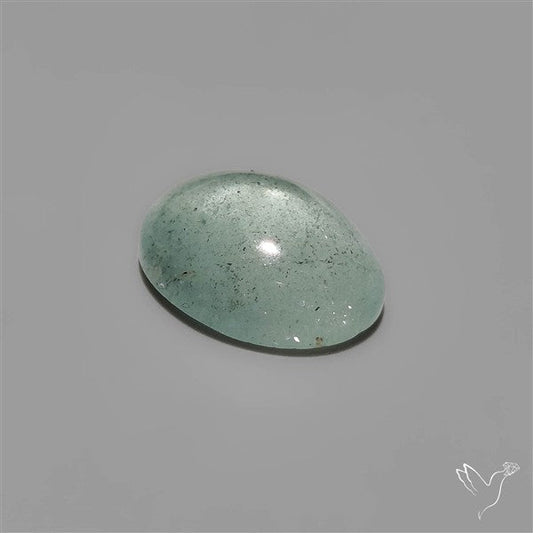
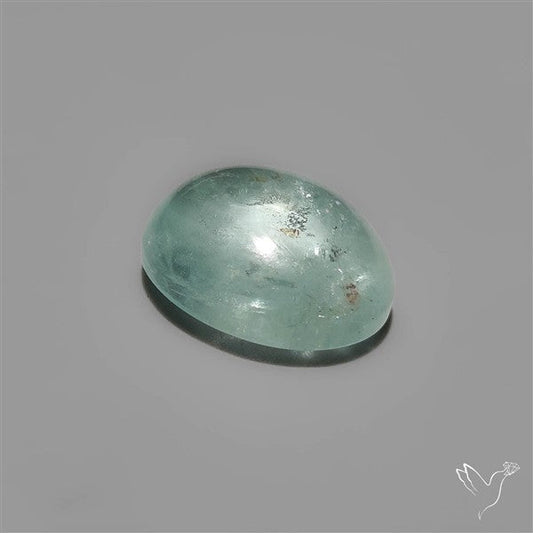
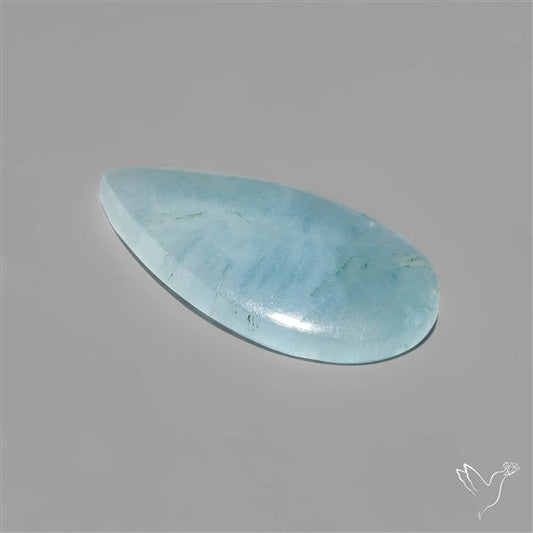
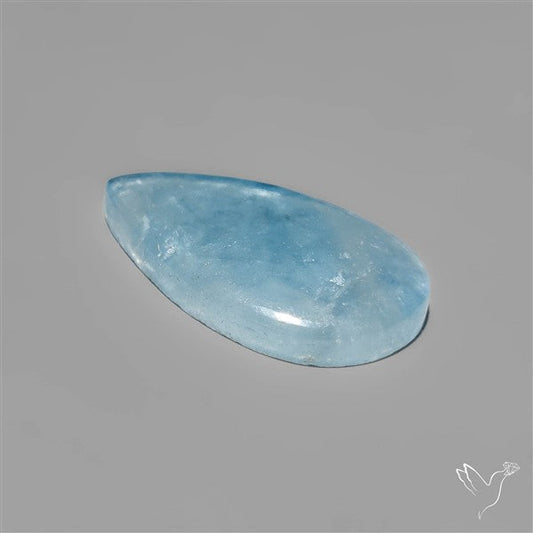
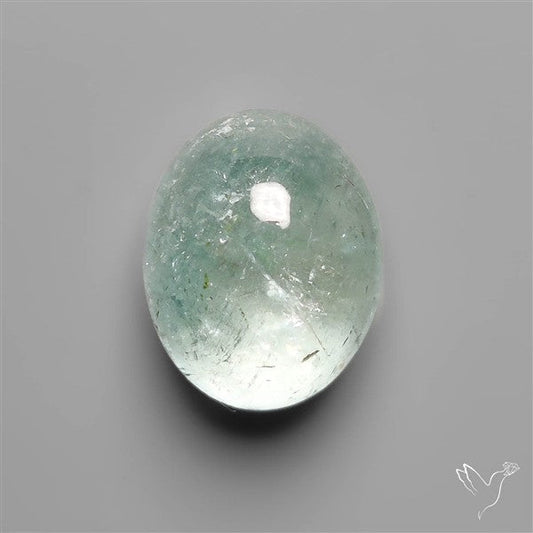
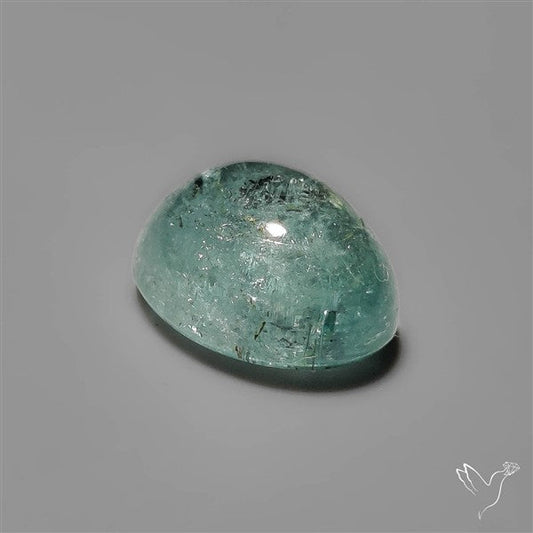
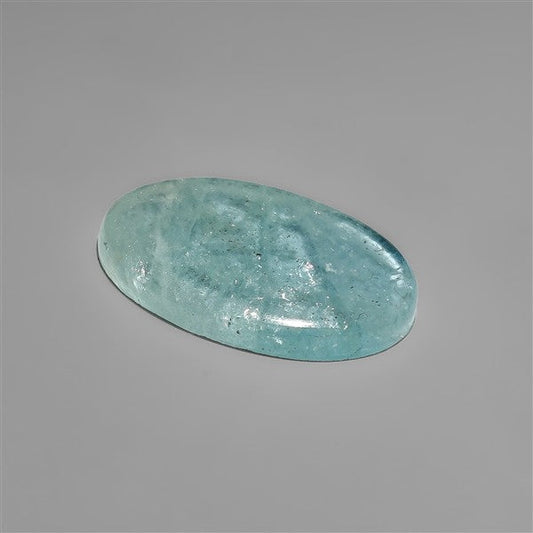
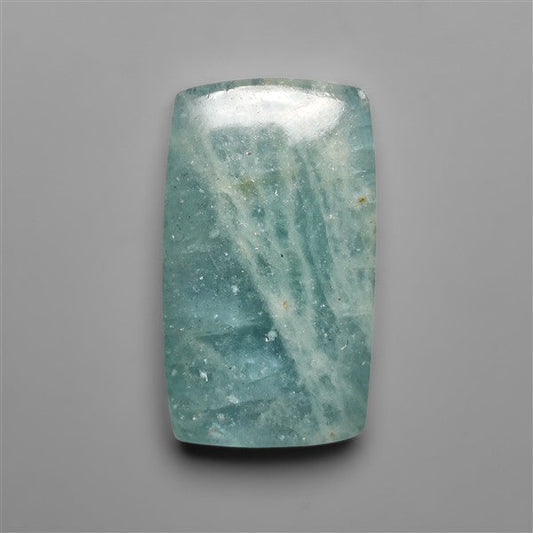
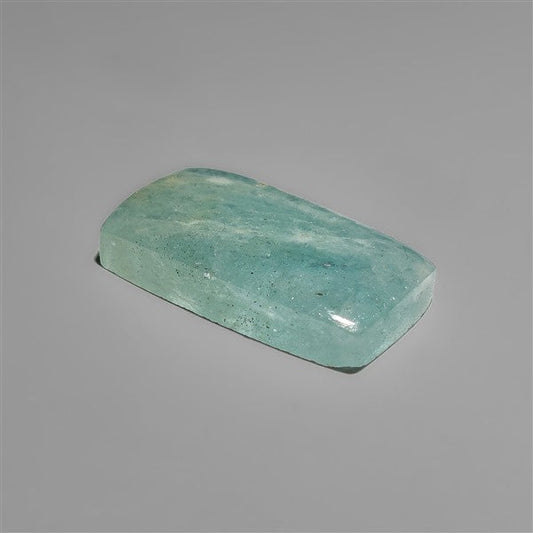
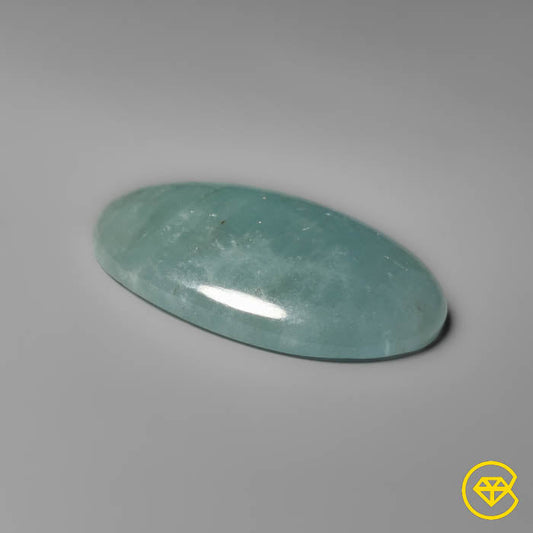
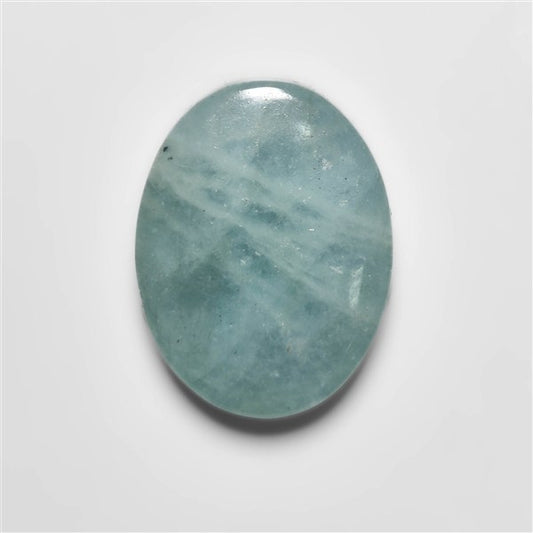
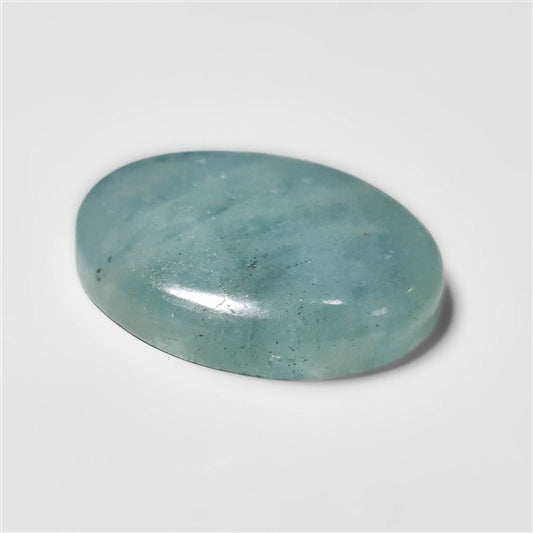
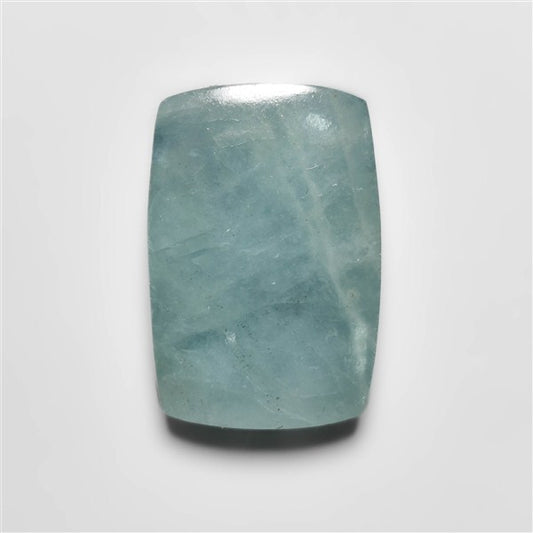
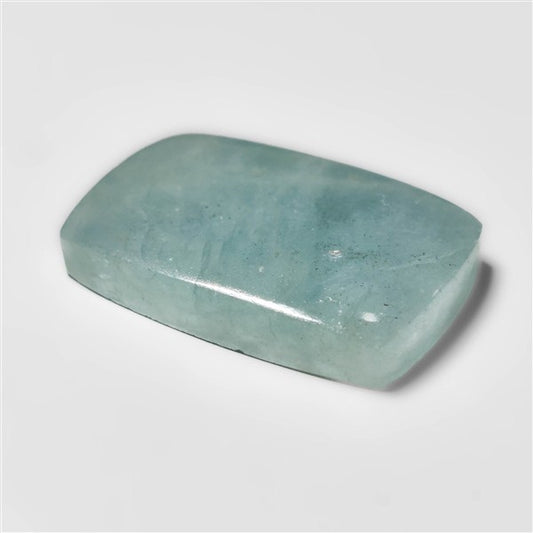
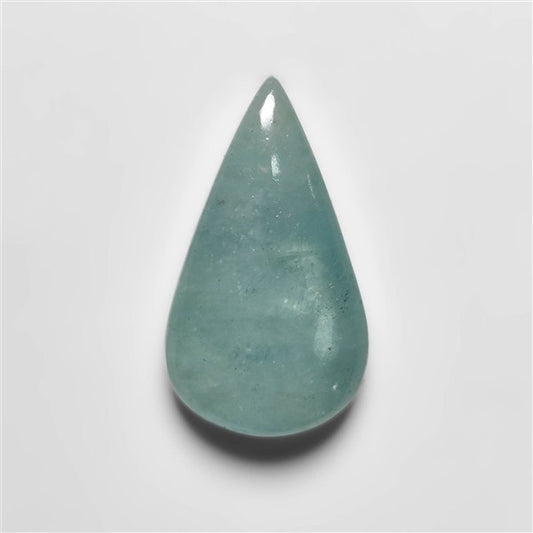
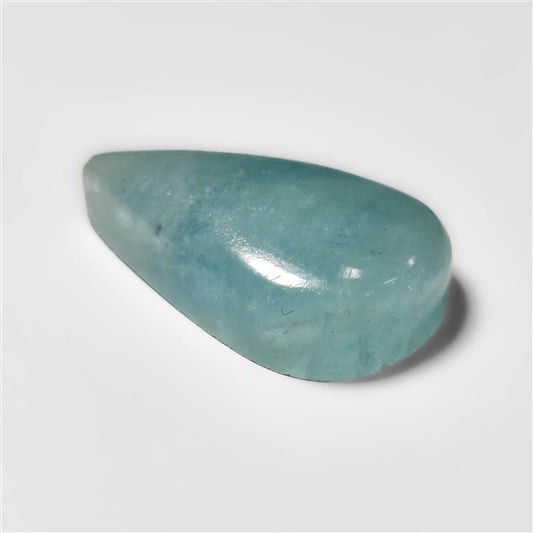
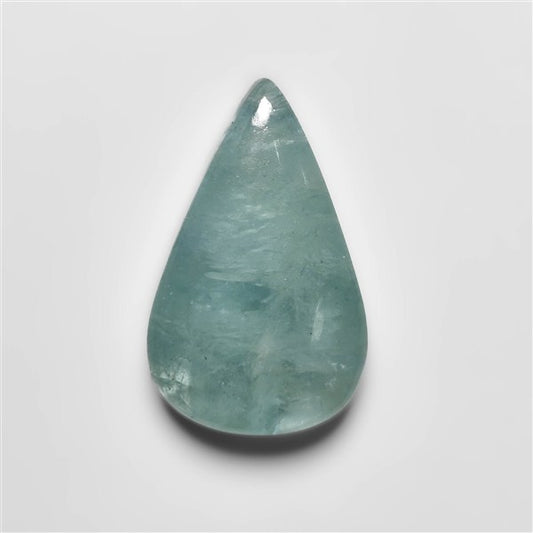
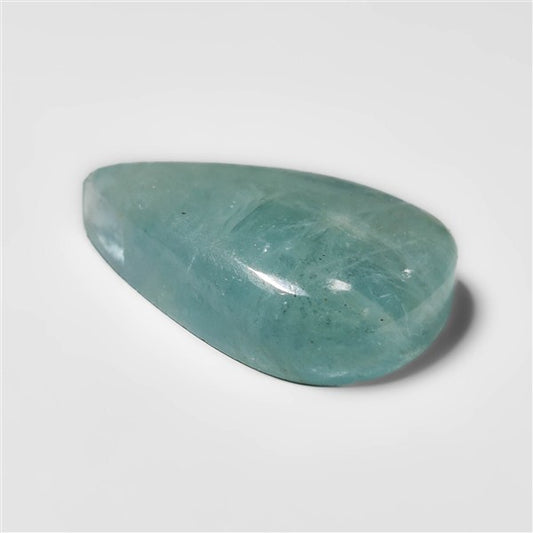
Given that it genuinely resembles seawater, the aquamarine stone is a kind of gemstone that is deserving of its name. Its name comes from the Latin word aquatic, which combines the words "aqua," and "Marina," which means water and sea respectively.
Because this stunning aquamarine gem is their birthstone, March newborns are the luckiest people alive. How wonderful is that? You will be able to remember the green distance and the gently blue sea thanks to this diamond.
-
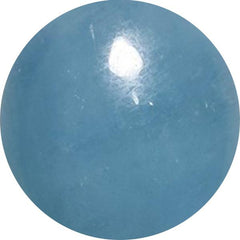
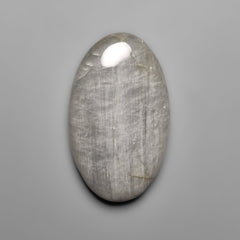
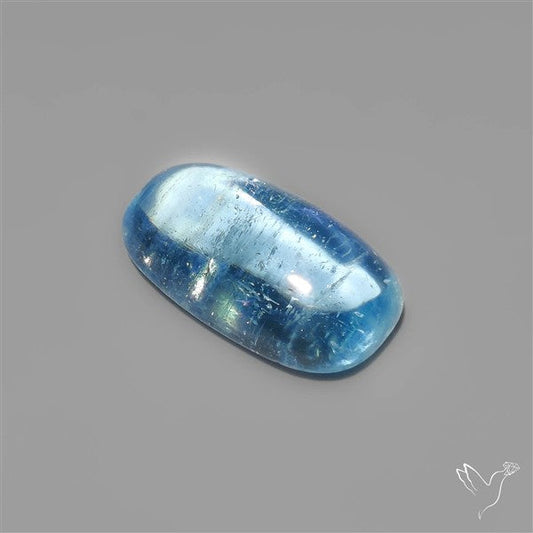
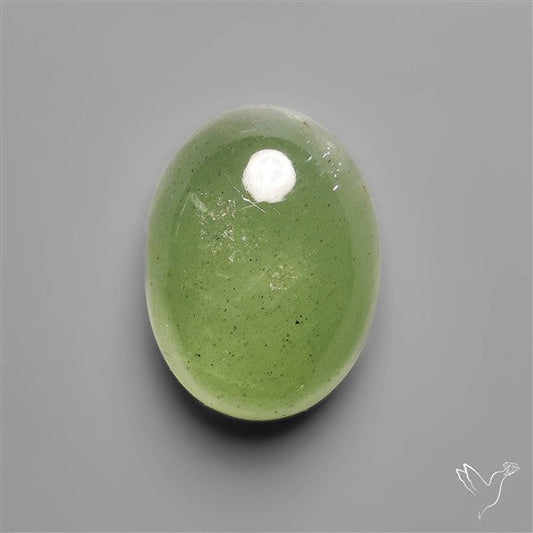
Aquamarine Cabochon High Grade Gemmy
SKU: N37007Size: 14X8X5 mmOrigin: AfricaRegular price $13.00 USDRegular priceUnit price per -
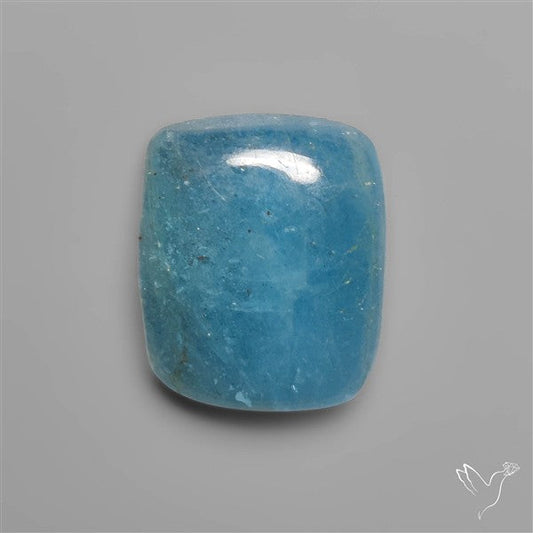
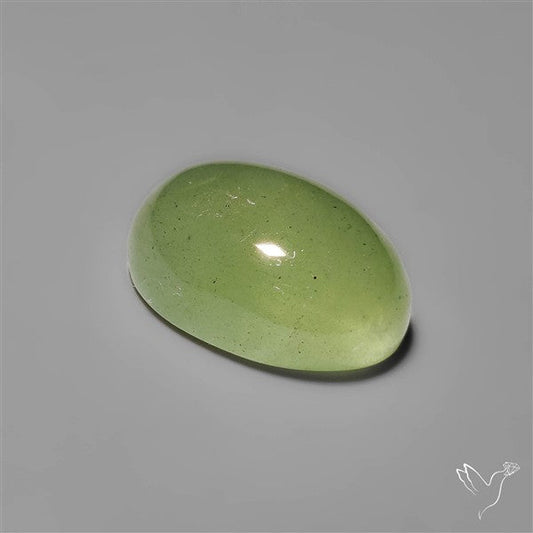
Aquamarine Cabochon
SKU: N35537Size: 16X13X5 mmOrigin: AfricaRegular price $9.00 USDRegular priceUnit price per -
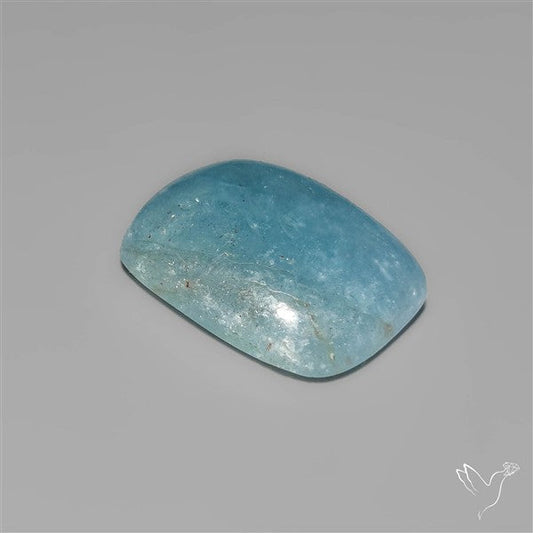
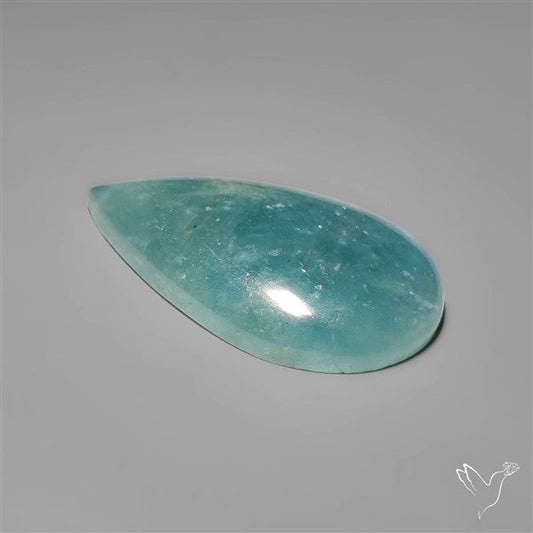
Aquamarine Cabochon
SKU: N35535Size: 18X13X6 mmOrigin: AfricaRegular price $8.00 USDRegular priceUnit price per -
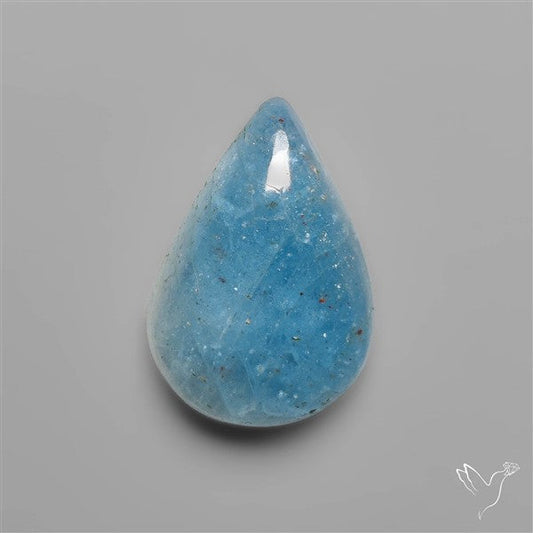
Aquamarine Cabochon
SKU: N34838Size: 11X10X5 mmOrigin: AfricaRegular price $8.00 USDRegular priceUnit price per -
Clear Aquamarine Cabochon
SKU: N34834Size: 12X10X6 mmOrigin: AfricaRegular price $12.00 USDRegular priceUnit price per -
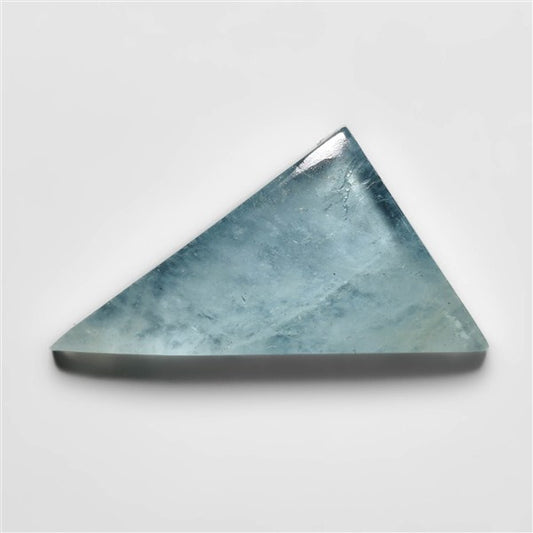
Rare Large Aquamarine Cabochon
SKU: N34820Size: 30X19X4 mmOrigin: AfricaRegular price $24.00 USDRegular priceUnit price per -
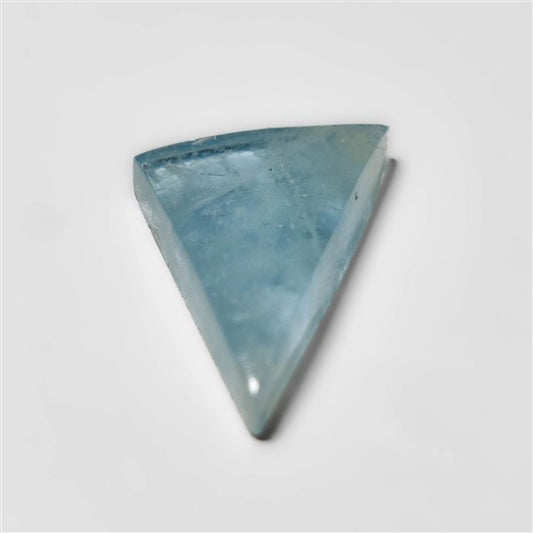
Rare Large Aquamarine Cabochon
SKU: N34819Size: 26X18X4 mmOrigin: AfricaRegular price $20.00 USDRegular priceUnit price per -
Aquamarine Cabochon
SKU: N33972Size: 10X8X5 mmOrigin: AfricaRegular price $5.00 USDRegular priceUnit price per -
Aquamarine Cabochon
SKU: N33971Size: 16X12X6 mmOrigin: AfricaRegular price $12.00 USDRegular priceUnit price per -
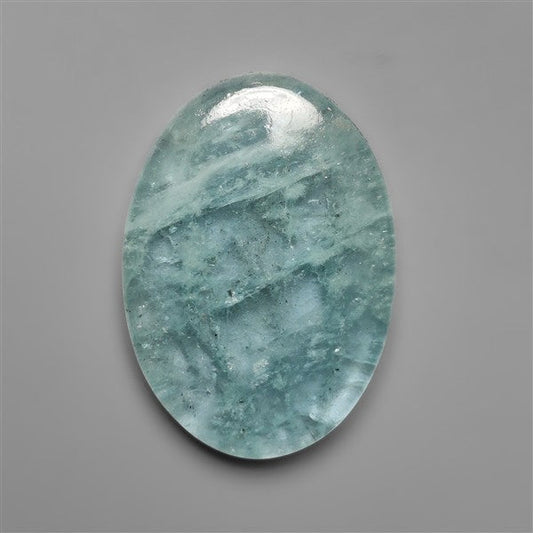
Large Aquamarine Cabochon
SKU: N33966Size: 36X24X6 mmOrigin: AfricaRegular price $24.00 USDRegular priceUnit price per -
Aquamarine Cabochon
SKU: N33100Size: 25X17X4 mmOrigin: BrazilRegular price $12.00 USDRegular priceUnit price per -
Aquamarine Cabochon
SKU: N33099Size: 23X14X5 mmOrigin: BrazilRegular price $12.00 USDRegular priceUnit price per -
Large Aquamarine Cabochon
SKU: N28341Size: 33X24X6 mmOrigin: AfricaRegular price $18.00 USDRegular priceUnit price per -
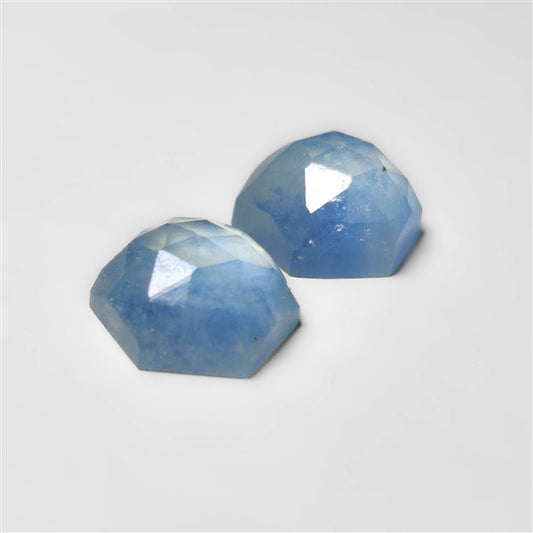
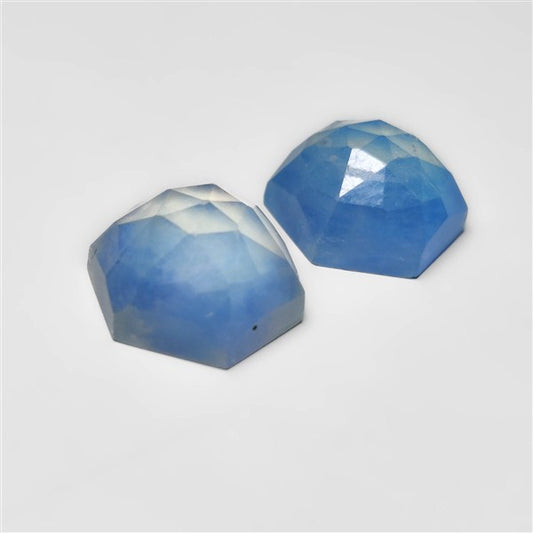
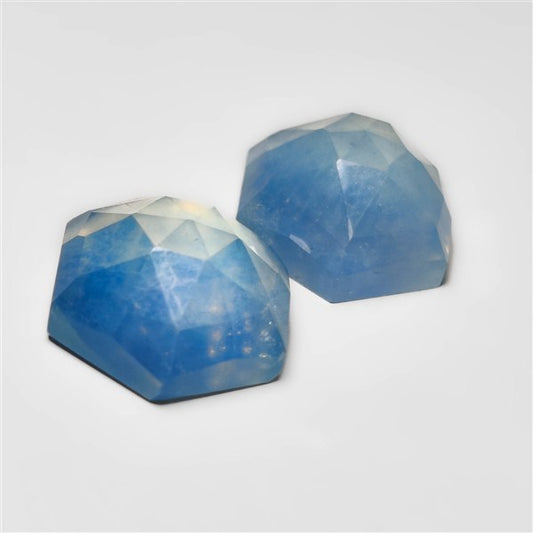
Rose Cut Aquamarine Pair
SKU: N15969Size: 10X11X5 mmOrigin: BisbeeRegular price $12.00 USDRegular priceUnit price per -
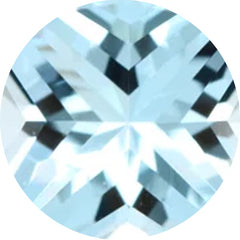
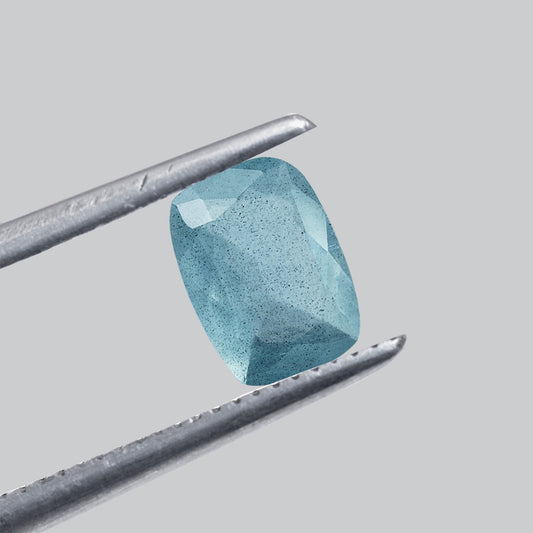
Faceted Aquamarine
SKU: N29995Size: 18X13X6 mmOrigin: AfricaRegular price $38.00 USDRegular priceUnit price per -
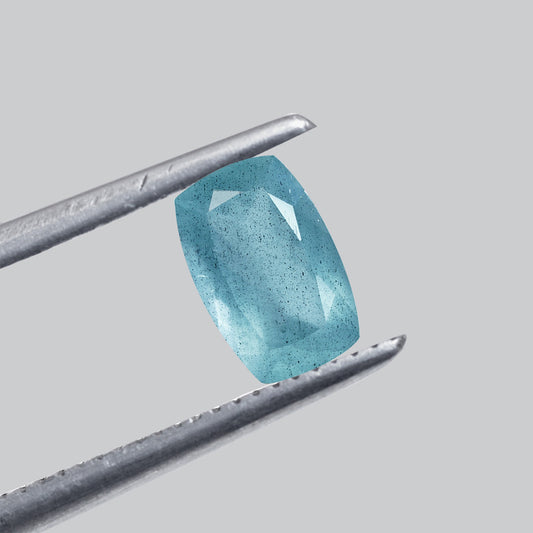
Faceted Aquamarine
SKU: N29992Size: 20X13X8 mmOrigin: AfricaRegular price $46.00 USDRegular priceUnit price per -
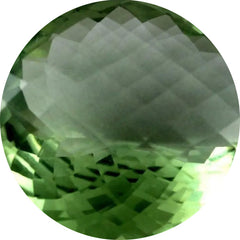
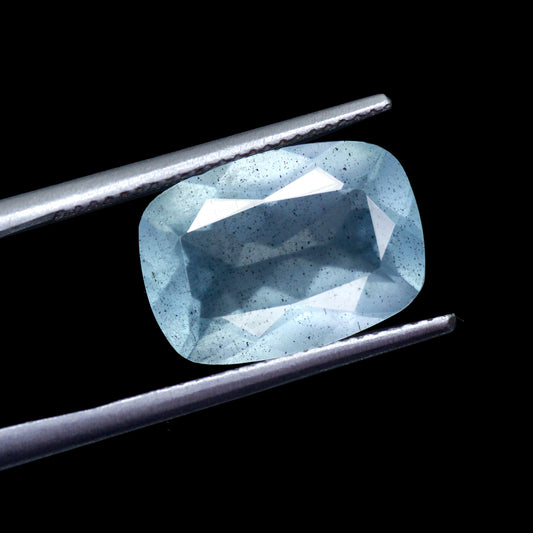
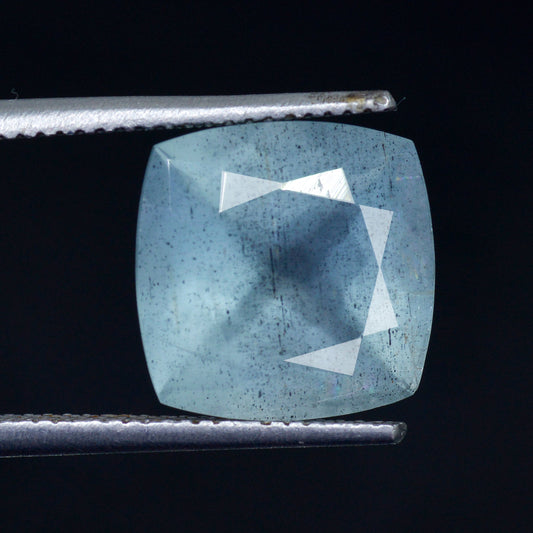
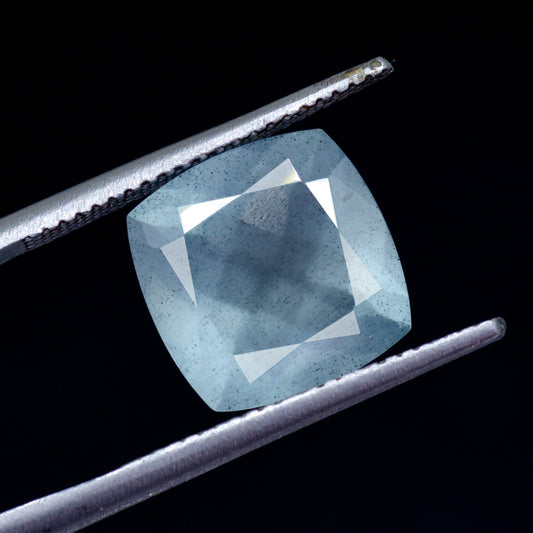
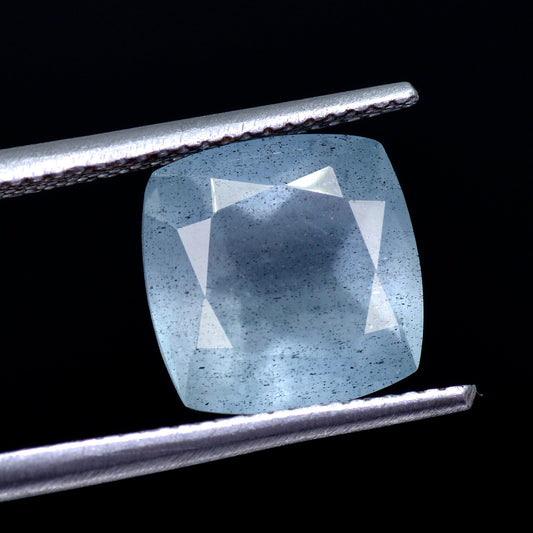
Faceted Moss Aquamarine
SKU: N29848Size: 14X10X10 mmOrigin: AfricaRegular price $30.00 USDRegular priceUnit price per -
Faceted Moss Aquamarine
SKU: N29847Size: 12X12X7 mmOrigin: AfricaRegular price $31.00 USDRegular priceUnit price per -
Faceted Moss Aquamarine
SKU: N29845Size: 11X11X5 mmOrigin: AfricaRegular price $24.00 USDRegular priceUnit price per -
Faceted Moss Aquamarine
SKU: N29842Size: 10X10X6 mmOrigin: AfricaRegular price $22.00 USDRegular priceUnit price per -
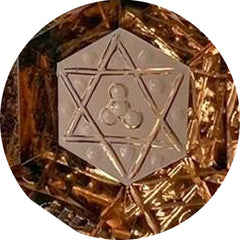
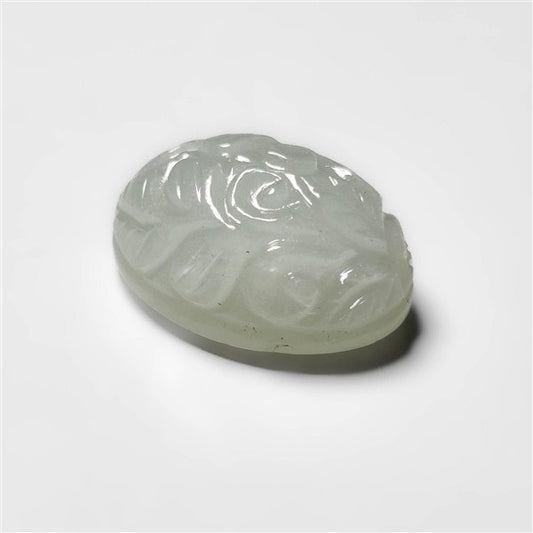
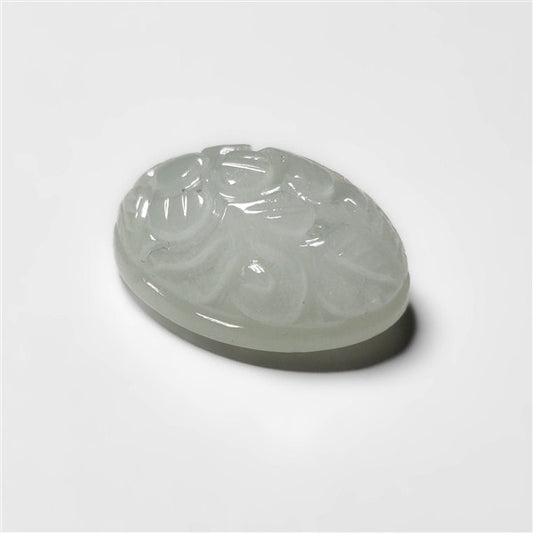
Opaque Aquamarine Mughal Carving
SKU: N17638Size: 18X13X9 mmOrigin: BrazilRegular price $10.00 USDRegular priceUnit price per -
Opaque Aquamarine Mughal Carving
SKU: N17637Size: 18X13X8 mmOrigin: BrazilRegular price $10.00 USDRegular priceUnit price per -
Opaque Aquamarine Mughal Carving
SKU: N17636Size: 18X13X8 mmOrigin: BrazilRegular price $10.00 USDRegular priceUnit price per -
Opaque Aquamarine Mughal Carving
SKU: N17635Size: 20X15X9 mmOrigin: BrazilRegular price $10.00 USDRegular priceUnit price per -
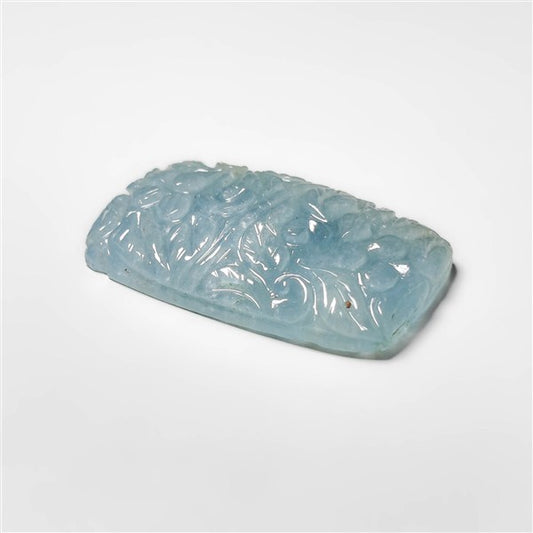
Aquamarine Mughal Carving
SKU: N17628Size: 30X18X6 mmOrigin: AfricaRegular price $20.00 USDRegular priceUnit price per -
Aquamarine Cabochon
SKU: N20393Size: 26X14X4 mmOrigin: BrazilRegular price $8.00 USDRegular priceUnit price per -
Aquamarine Cabochon
SKU: N20387Size: 23X18X5 mmOrigin: BrazilRegular price $12.00 USDRegular priceUnit price per -
Aquamarine Cabochon
SKU: N20386Size: 23X16X4 mmOrigin: BrazilRegular price $12.00 USDRegular priceUnit price per -
Aquamarine Cabochon
SKU: N20384Size: 27X15X7 mmOrigin: BrazilRegular price $12.00 USDRegular priceUnit price per -
Aquamarine Cabochon
SKU: N20383Size: 26X16X7 mmOrigin: BrazilRegular price $12.00 USDRegular priceUnit price per -
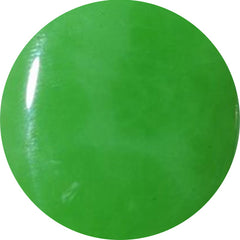
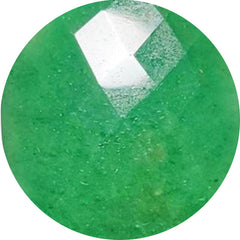
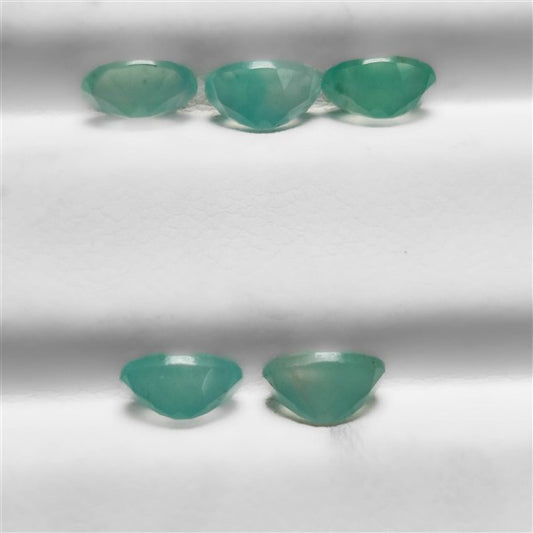
Faceted Aqua Chrysoprase Set
SKU: N16113Size: 7 - 4 mmOrigin: AfricaRegular price $30.00 USDRegular priceUnit price per -
Rose Cut Aquamarine Pair
SKU: N15958Size: 11X10X5 mmOrigin: BisbeeRegular price $14.00 USDRegular priceUnit price per -
Rose Cut Aquamarine Pair
SKU: N15952Size: 13X12X6 mmOrigin: BisbeeRegular price $15.00 USDRegular priceUnit price per



















All About MARCH BIRTHSTONE Gemstones
What is the history of Aquamarine Birthstone?

Where are the authentic Aquamarine Birthstones found?
What is the appearance of Aquamarine Birthstones?
Zodiac Signs
What are the different types of Aquamarine Birthstones?
What are the healing properties of Aquamarine Birthstones?
What is the care guide for Aquamarine Birthstones?
Frequently Asked Questions (FAQs)

