
385 products

All About LABRADORITE Gemstones

What Is Labradorite and What Makes It Valuable?

down icon

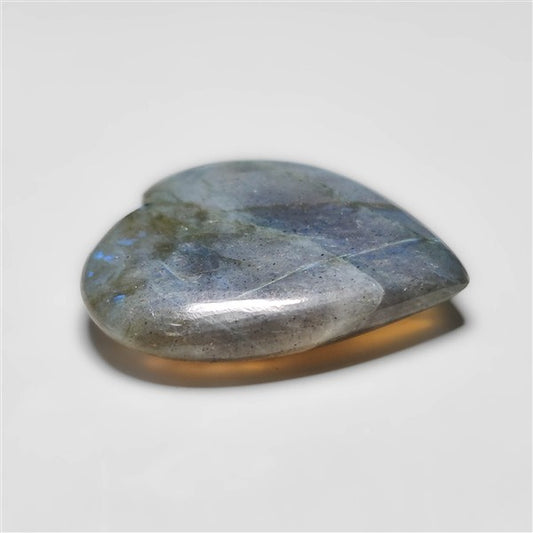
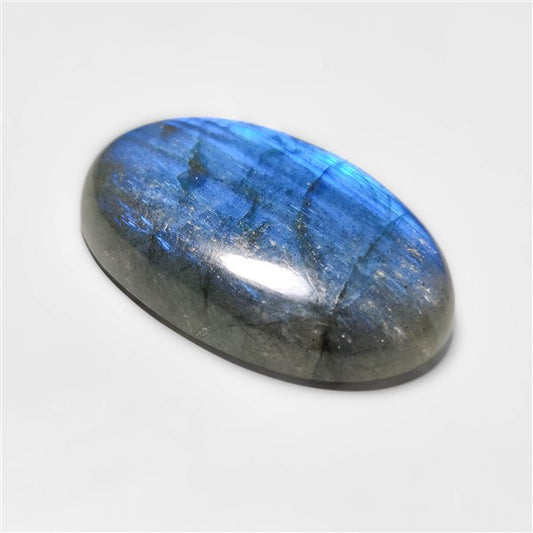
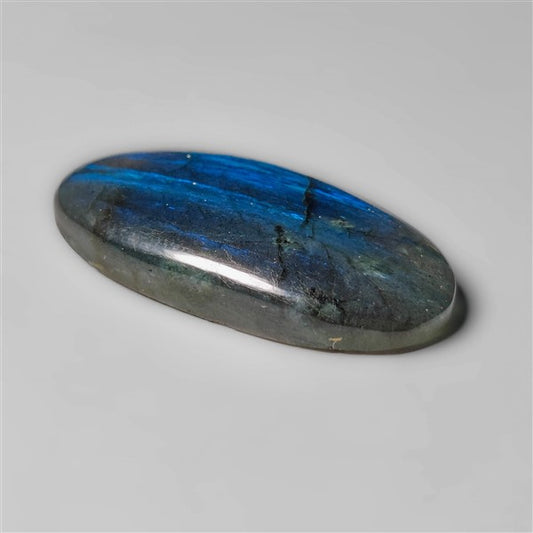
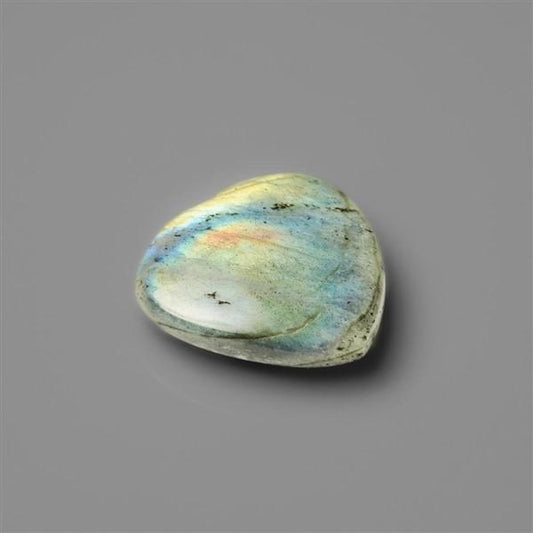
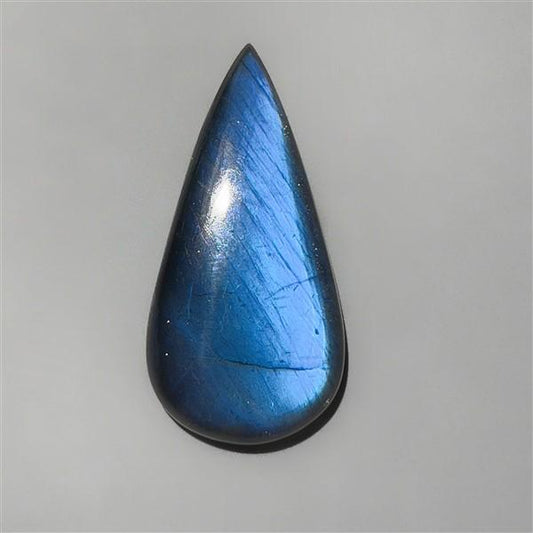
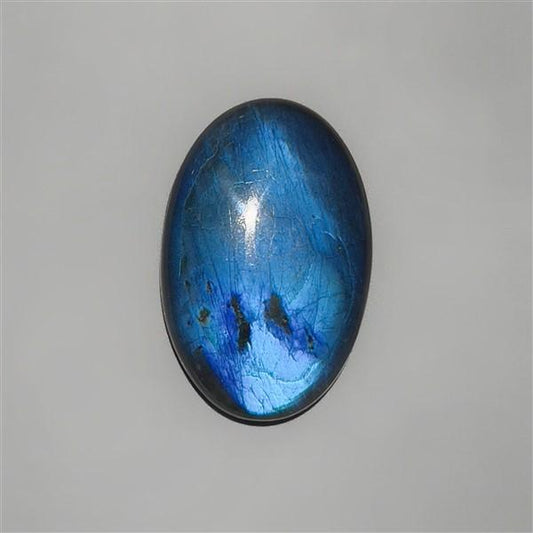
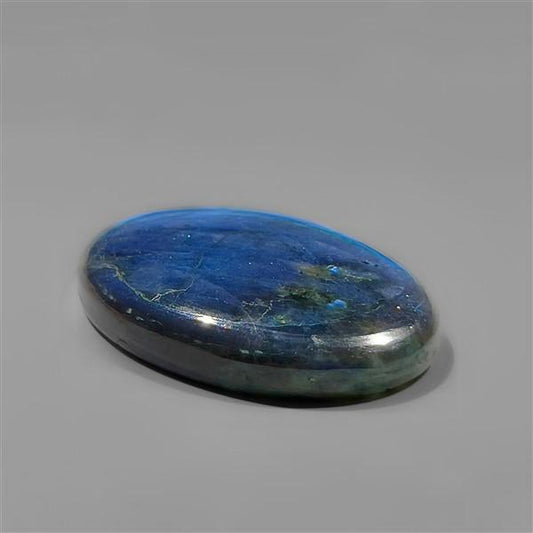
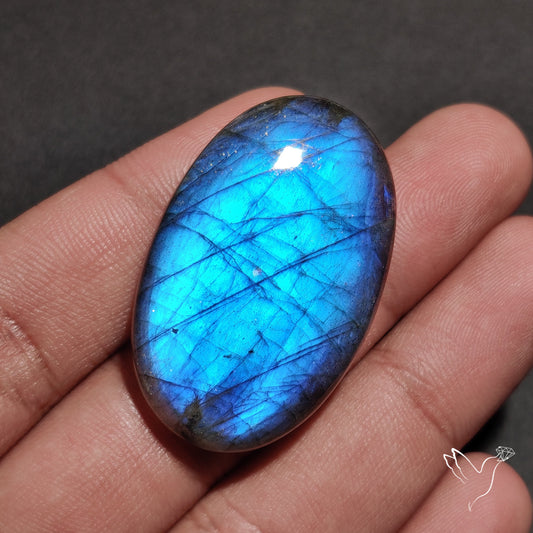
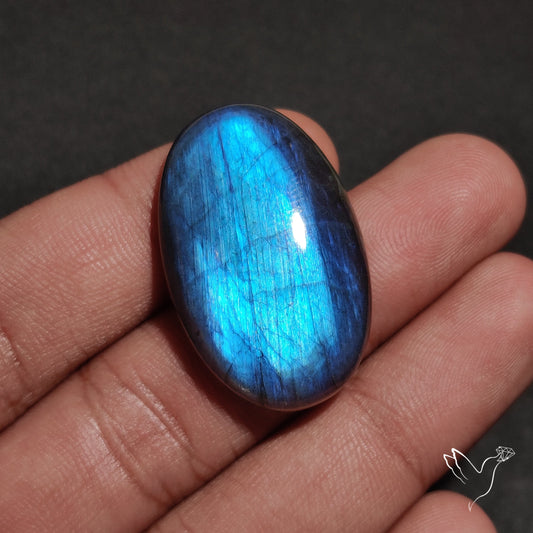
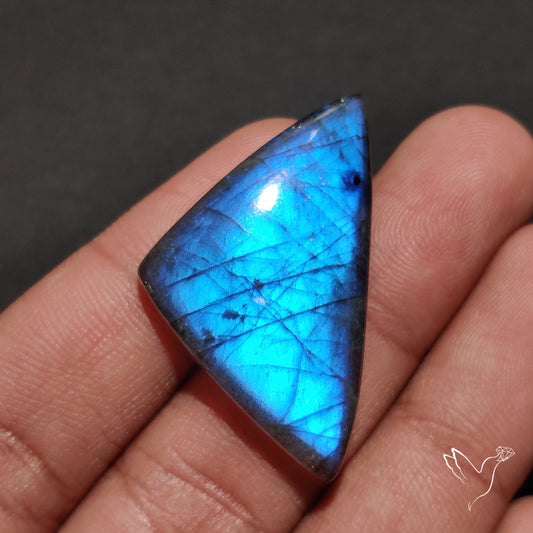
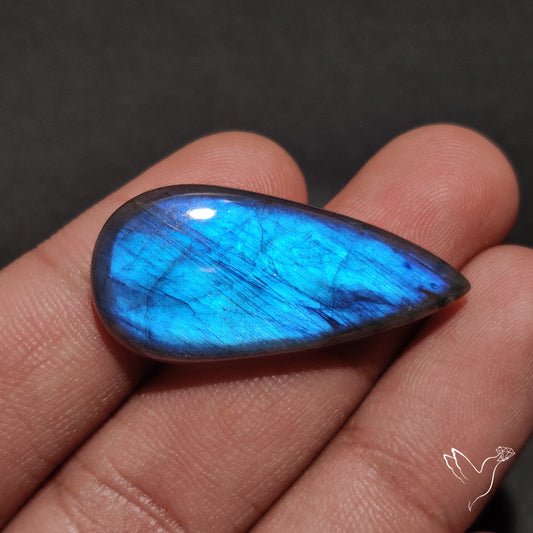
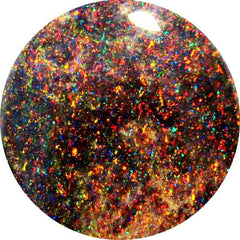
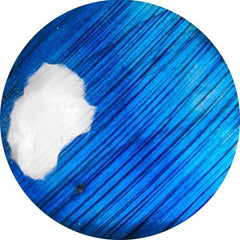
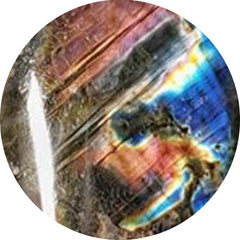
Labradorite is a feldspar mineral celebrated for its labradorescence—a stunning optical phenomenon where blues, greens, golds, and sometimes rare oranges and purples flash across the stone's surface as light catches its internal layers. This distinctive color play occurs through light interference within microscopic layers of the crystal structure, creating an effect that can't be replicated in synthetic materials.

The labradorite gemstone price varies significantly based on flash coverage and intensity. Premium specimens display vibrant, multi-colored flash across 80-100% of their polished surface, while commercial-grade material may only show flash in 40-60% of the stone. We source our labradorite stones for sale primarily from Madagascar, known for producing consistently high-flash material with clean body color, though our inventory also includes rare Finnish spectrolite and select Canadian specimens.

Unlike many gemstones where clarity is paramount, labradorite's value centers entirely on its optical performance—how the stone catches and reflects light from normal viewing angles matters more than perfect transparency.

How Do I Know If Labradorite Is High Quality?

down icon

After years of sourcing natural labradorite gemstones from mining regions worldwide, we've developed specific quality criteria that ensure you receive stones that perform beautifully in finished jewelry:

Flash Coverage and Accessibility: The best labradorite activates its color display when held at comfortable viewing angles (15-30 degrees from perpendicular). Avoid stones requiring extreme tilting to see flash—your customers won't appreciate jewelry that only "works" when held at awkward angles. Our premium selections show flash across 80% or more of the polished surface.

Color Range: While most labradorite displays blue and green flash, exceptional pieces show the full spectrum including gold, copper, orange, and the highly prized violet-pink tones. We photograph each stone under multiple lighting conditions so you can accurately assess its color range before purchase.

Structural Integrity: Check for cracks perpendicular to the flash direction—these structural weaknesses can propagate during setting or wear. Every labradorite gemstone we offer has been inspected for stability, though we always note any natural characteristics in our detailed product descriptions.

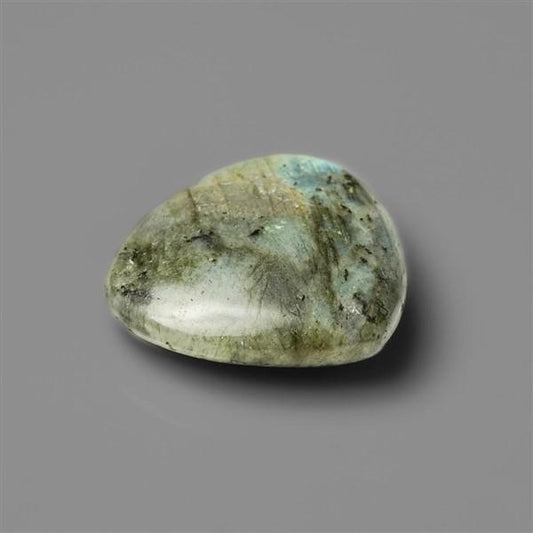
Body Color: Madagascar material typically shows cleaner gray to black backgrounds that allow the flash to stand out dramatically. Other sources may display brownish or greenish undertones that can muddy the optical effect, though some designers specifically seek these warmer base colors for certain projects.

Why Is Labradorite Cut as Cabochons Instead of Faceted?

down icon

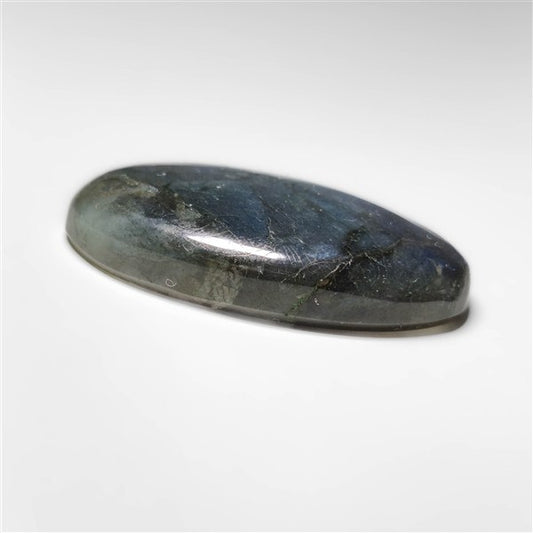
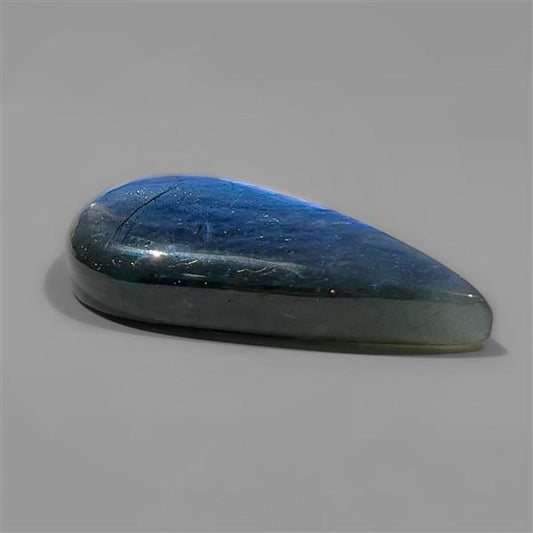
The technical answer lies in how labradorescence works. Unlike the brilliance in faceted gemstones, which depend on light returning through the crown, labradorite's flash occurs within specific internal planes. Faceting interrupts these schiller planes, fragmenting the flash into disconnected patches rather than creating a unified color sweep across the stone.

When cutters work with labradorite rough, they must first identify the exact angle where flash appears strongest, then slice the material perpendicular to this direction. This orientation requirement often yields only 30-40% of the original rough weight—explaining why perfectly oriented labradorite stones for sale cost more per carat than larger, poorly oriented pieces with dead zones.
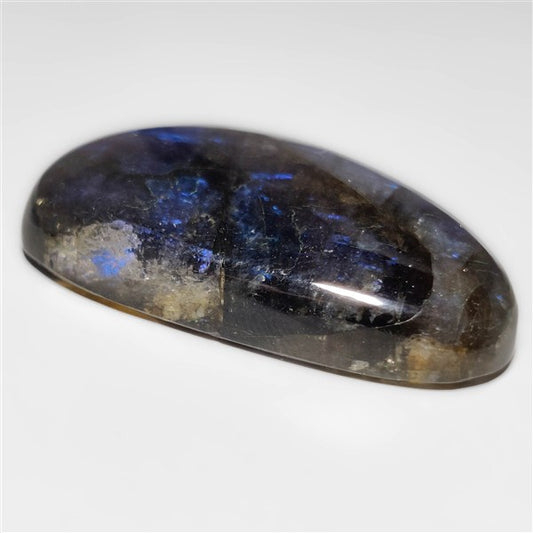
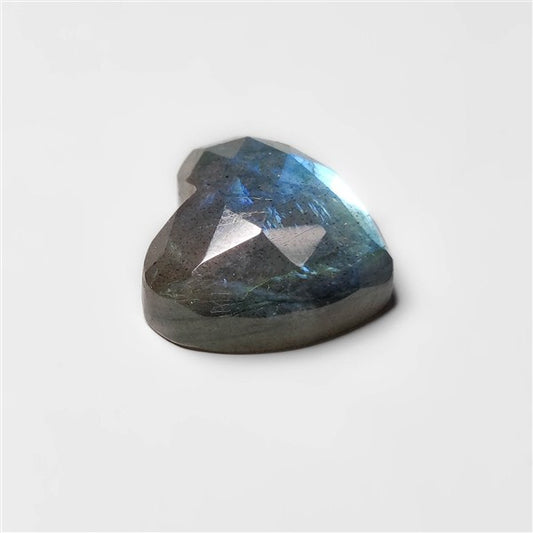
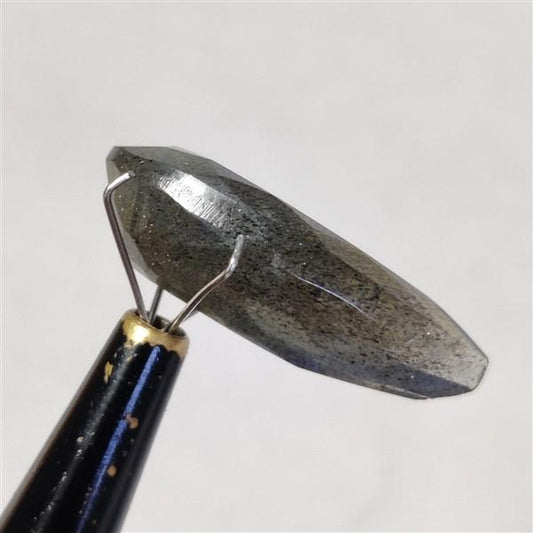
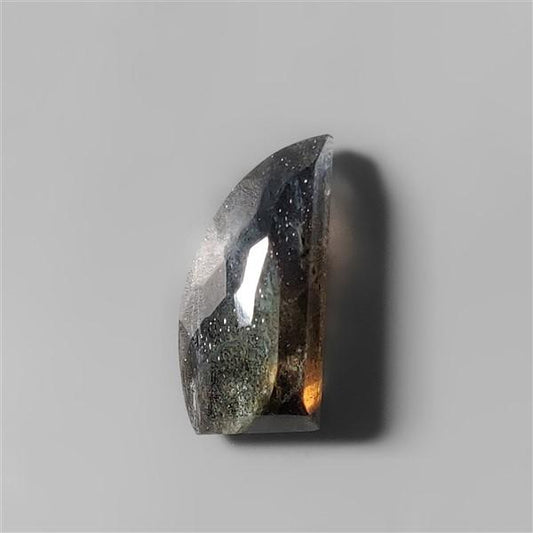
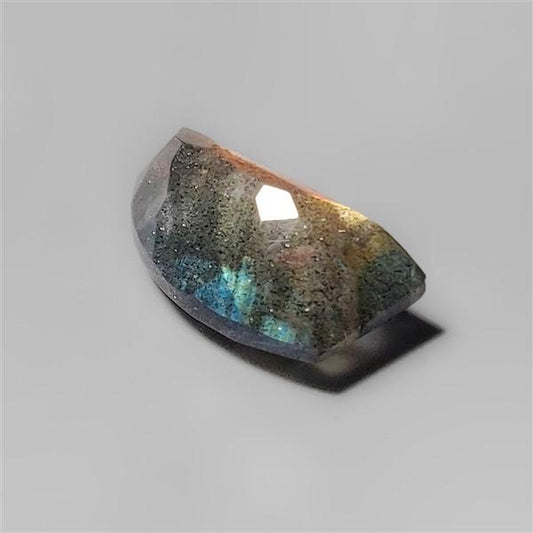
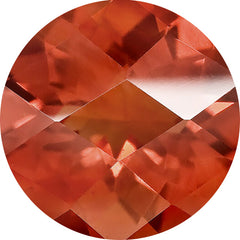
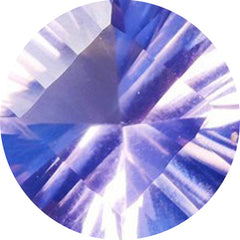
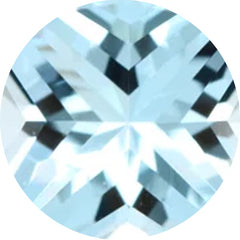
We occasionally offer rose-cut or checkerboard-topped labradorite for designers seeking alternative aesthetics, but traditional dome cabochons remain the industry standard for maximizing this stone's natural optical performance.

What's the Difference Between Madagascar and Other Labradorite Sources?

down icon

Our primary inventory comes from Madagascar, which has become the dominant commercial source for consistent, high-quality natural labradorite gemstone material. Madagascar stones typically display:

  • More uniform flash coverage across larger surface areas
  • Cleaner gray-to-black body color with fewer dark inclusions
  • Strong blue flash with frequent multi-color displays
  • Better availability in larger sizes with consistent quality

Finnish Spectrolite represents the premium tier of labradorite. These stones command 3-5 times the labradorite gemstone price of comparable Madagascar material due to their intense, full-spectrum flash that often includes rare purple and pink tones. We acquire spectrolite selectively and note it clearly in our listings due to its premium positioning.

Canadian Labradorite falls between Madagascar and Finnish material in both quality and pricing. While Canadian sources produce excellent individual stones, bulk material requires more selective sorting compared to Madagascar rough. Some Canadian pieces display unique golden flash patterns that certain designers actively seek.

When you buy labradorite online from our collection, we always specify the source location so you can make informed decisions based on your project requirements and budget.

How Do I Choose Labradorite for Jewelry Making?

down icon

Our customers include jewelry designers, metalsmiths, and lapidary artists working on everything from simple pendants to museum-quality statement pieces. Here's how to select the right material for your specific application:

For Cabochon Settings: Choose stones where the primary flash band runs parallel to the base of the cab—this orientation ensures the flash activates when the finished piece is worn normally. We've seen too many beautiful stones set incorrectly, with the flash only visible when the wearer looks down at their own jewelry. Our product photos always show the stone from typical viewing angles.

For Statement Jewelry and Large Pendants: Large labradorite slabs create dramatic centerpieces when the flash sweeps across the surface as the wearer moves. Look for consistent thickness to prevent setting complications. We measure and note thickness variations in our slab listings to help you plan your bezel or prong work.

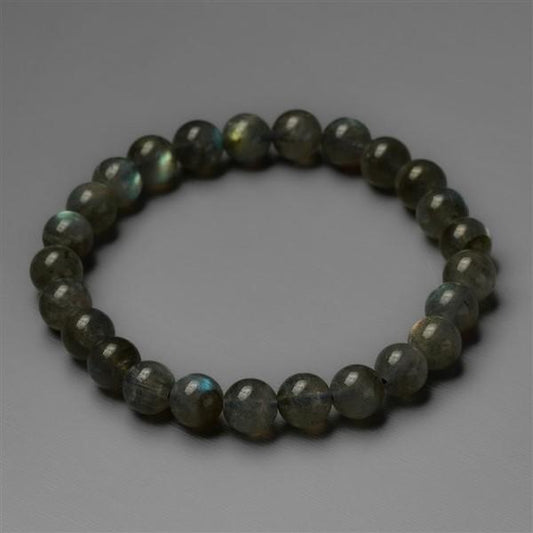
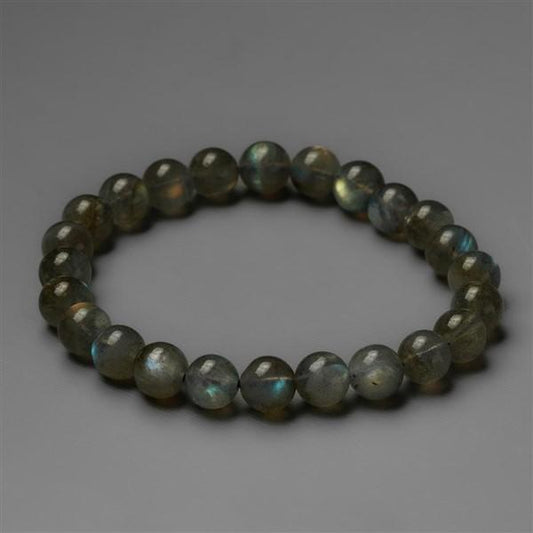
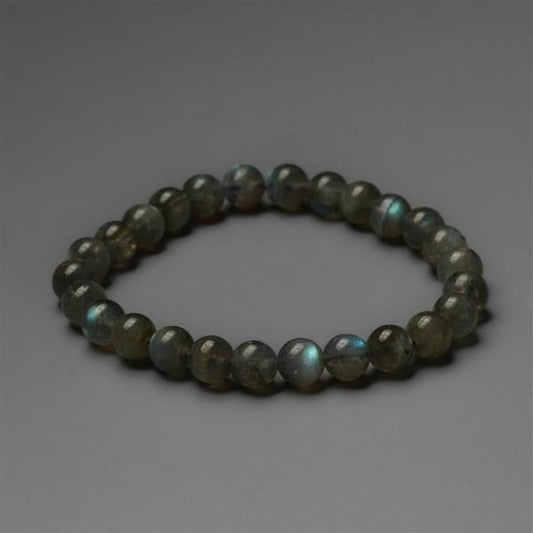
For Bead Strands: Creating well-matched labradorite beads presents unique challenges since each bead must display similar flash intensity from multiple angles. We offer pre-matched semi-finished bead strands where we've already done the sorting work, saving you time and material waste.

For Wire-Wrapped Designs: Smaller labradorite stones for sale work beautifully in wire-wrapped pendants where the flash can activate from multiple angles. Choose pieces with a strong flash across the entire surface rather than just one "sweet spot."

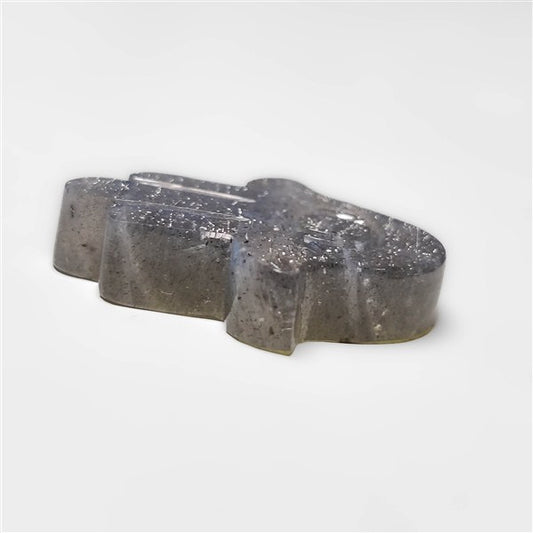
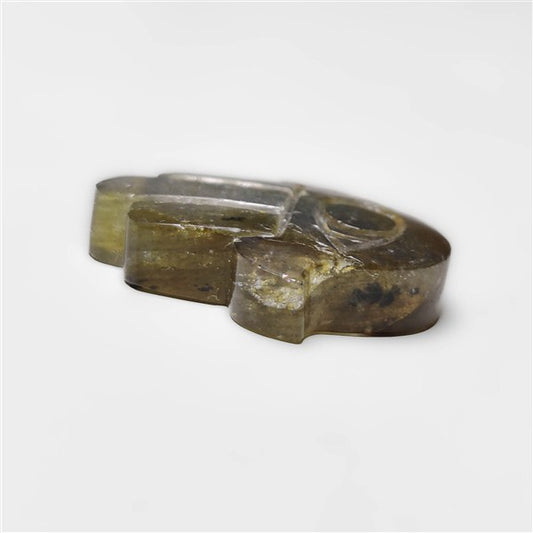
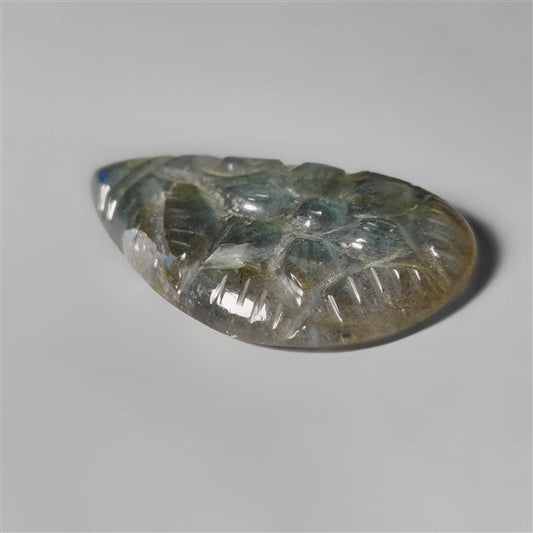
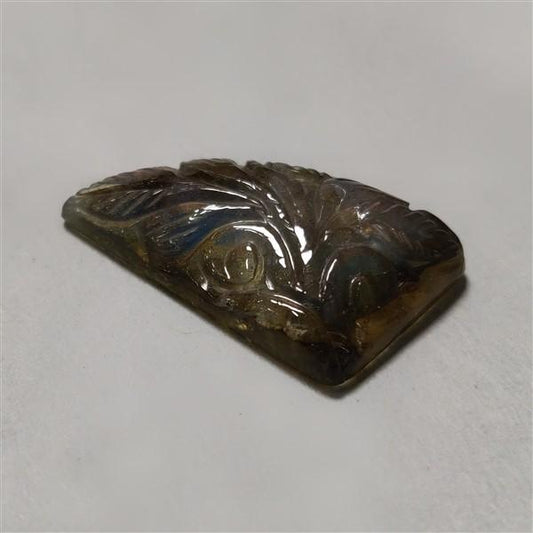
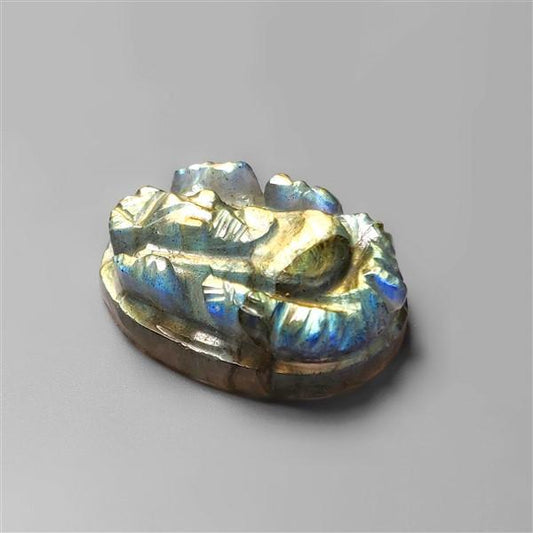
For Carving Projects: Labradorite's perfect cleavage in two directions limits its suitability for detailed carving. We recommend simple, flowing designs that work with the natural planes rather than against them. Our carving-grade material is specifically selected for structural stability.

Is Labradorite Durable Enough for Daily Wear?

down icon

At 6-6.5 on the Mohs hardness scale, labradorite sits in the "moderate durability" range—harder than opal or pearl, but softer than quartz. We've worked with jewelers who successfully incorporate labradorite into daily-wear pieces by following specific design practices:

Excellent for: Pendants, earrings, brooches, and other jewelry with minimal impact exposure. We've seen labradorite pendants worn daily for years without damage when customers follow basic care guidelines.

Requires Protection: Rings and bracelets need bezel settings or recessed designs that shield the stone from bumps and abrasion. High-set prongs leave labradorite vulnerable to the inevitable impacts these pieces experience during daily activities.

Setting Considerations: The perfect cleavage in two directions means labradorite can split along specific planes if subjected to sharp impacts or thermal shock. We always recommend cold-setting techniques or, if heat is necessary, keeping torches away from the stone and using heat sinks liberally. Several of our jewelry-making customers have shared that they've had success with epoxy-backing larger labradorite cabs before setting to add structural support.

How Should I Clean and Maintain Labradorite?

down icon

After selling natural labradorite gemstones to thousands of jewelers and collectors, we've compiled these care recommendations:

Clean with warm (not hot) water and mild soap using soft cloths or brushes. The flash effect is permanent and won't fade, but harsh chemicals or abrasive cleaners can damage the polished surface.

Avoid completely: Ultrasonic cleaners (can exploit existing fractures), steam cleaners (thermal shock risk), and prolonged soaking in any liquid. We've had customers report cracking when labradorite was subjected to ultrasonic cleaning, even in stones that appeared perfectly stable.

Store labradorite separately from harder gemstones like sapphire, topaz, or quartz, which can scratch the surface during storage or transport. We ship all our labradorite stones in individual protective pouches for this reason.

Click here to access the detailed guide on Labardorite stone cleaning and care

What Determines Labradorite Gemstone Price?

down icon

Our pricing reflects multiple quality and sourcing factors:

Flash Coverage (Most Important): Stones showing 90-100% flash coverage command premium prices. Pieces with 60-80% coverage represent standard jewelry grade. Commercial grade (40-60% coverage) costs significantly less but still creates attractive jewelry when properly oriented.

Color Spectrum: Full-spectrum flash including golds, oranges, and reds costs more than standard blue-green flash. The rare purple and pink tones seen in Finnish spectrolite place these stones in a premium category.

Source and Origin: Finnish spectrolite costs 3-5 times more than Madagascar labradorite of similar flash coverage due to rarity and superior optical intensity. Canadian material falls between these price points.

Cutting Quality: Well-oriented cabochons where the cutter has sacrificed material weight to optimize flash orientation cost more than poorly oriented larger stones. The 30-40% yield from rough to finished stone is built into the labradorite gemstone price.

Size and Structural Integrity: Larger stones with no visible cracks or structural weaknesses command higher per-carat prices. Clean body color also affects value, with gray to black backgrounds generally preferred over brownish tones.

down icon

down icon

Why Buy Labradorite from Our Collection?

down icon

We're a specialized gemstone supplier based in Jaipur, India—a global hub for gemstone cutting and trading. Our direct relationships with cutters and mining sources allow us to handpick each natural labradorite gemstone rather than accepting bulk lots.

Every stone is photographed in natural light from multiple angles so you see exactly what you're purchasing—no color enhancement, no "best angle only" shots. We include detailed measurements, weights, and honest assessments of flash coverage because we want you to receive stones that meet your project requirements.

Our customers include professional jewelry designers who've purchased hundreds of carats for production lines, hobbyist metalsmiths creating their first bezel settings, and serious mineral collectors seeking display specimens. Whether you need matched pairs for earrings or a single statement slab for a custom pendant, you'll find quality labradorite stones for sale in our curated collection.

Explore Related Gemstones

down icon

If you're drawn to labradorite's optical effects, you might also appreciate:

  • Moonstone - Displays adularescence, a soft blue sheen
  • Sunstone - Shows metallic aventurescence from copper inclusions
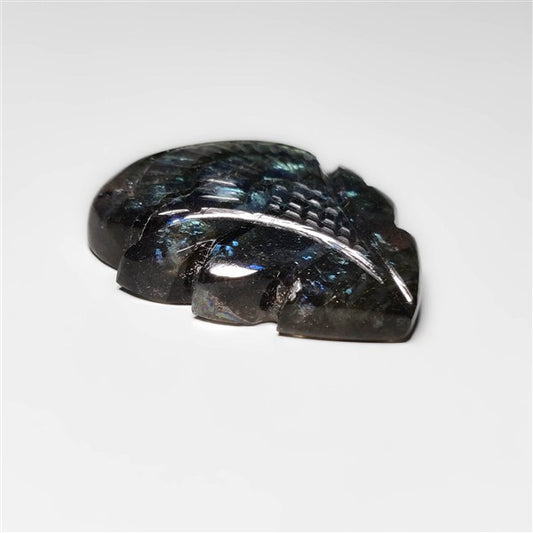
  • Spectrolite - Premium Finnish labradorite with intense flash
  • Rainbow Moonstone - White labradorite variety with blue flash
  • Amazonite - Blue-green feldspar for coordinating designs

Browse our complete natural gemstone collection to discover hundreds of unique varieties for your jewelry-making and collecting needs.
Frequently Asked Questions

down icon

Q1. Is labradorite a birthstone?
Ans: It is not an official month stone but resonates well with Leo, Scorpio, and Sagittarius.

Q 2. Why does my cab look gray sometimes?
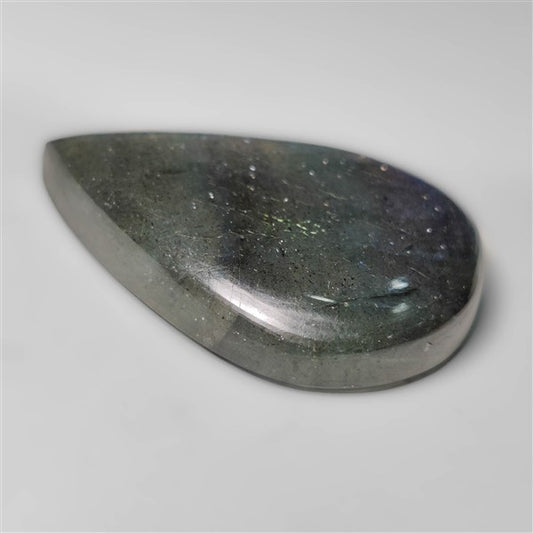
Ans: Flash only appears at certain angles. Rotate under light to find fire.

Q 3. Does labradorite fade over time?
Ans: Color remains stable. Only surface scratches dull flash and can be re-polished.

Q 4. Is there a simple test for real vs fake?
Ans: Real feldspar shows directional flash. Dyed glass glows evenly without angle change.

Q 5. Can labradorite go in water?
Ans: Brief rinse is fine. Long soaking may open micro-fractures.

Q 6. Which chakra does labradorite serve?
Ans: Primarily third eye and throat, sometimes crown for deep meditation.

Q 7. Why do cutters orient the stone a certain way?
Ans: Flash sits along cleavage planes. Proper orientation maximizes visible color.

down icon

down icon

down icon

down icon